
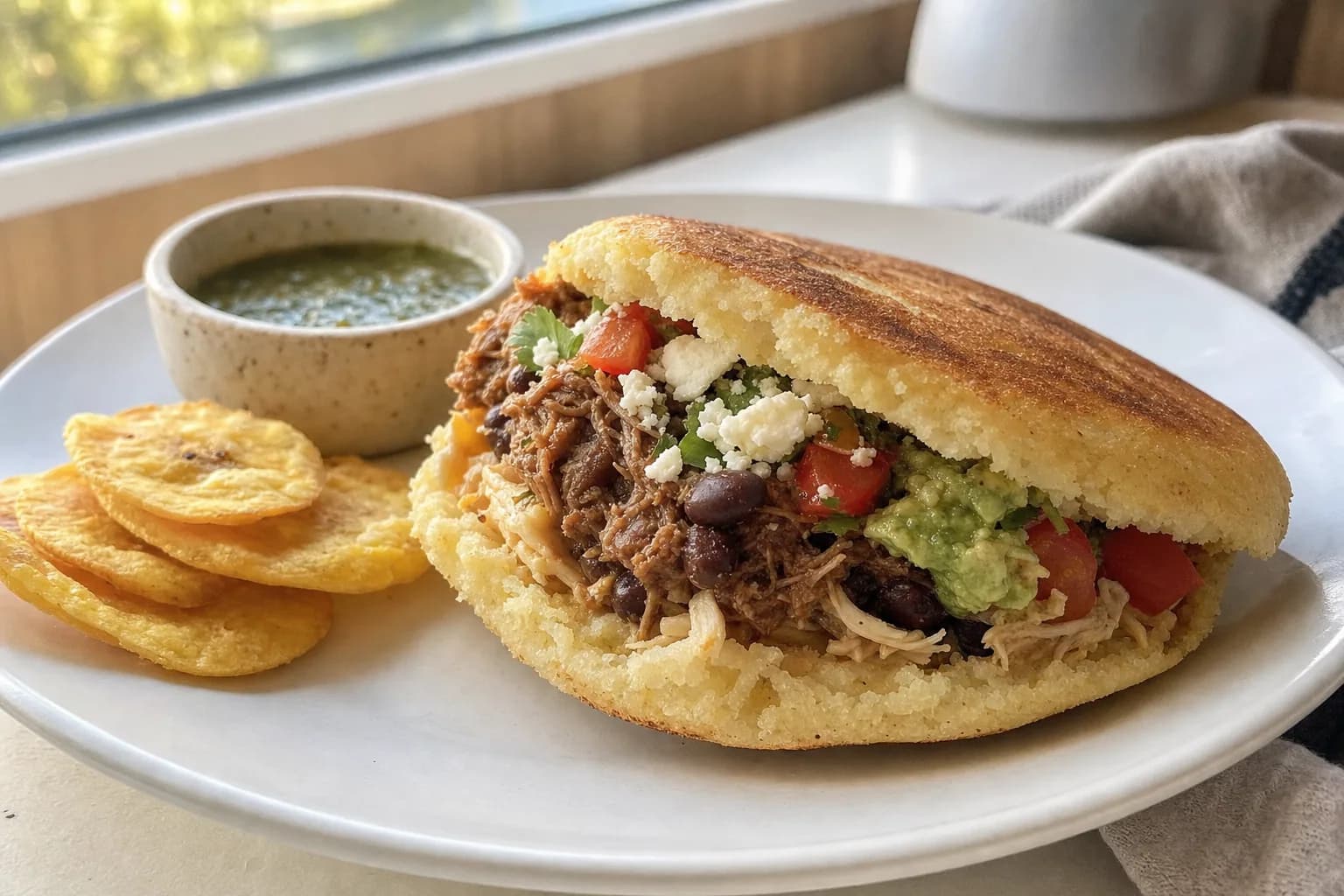
Arepas
These golden corn cakes are crisp on the outside, soft in the middle, and ready for butter, cheese, beans, eggs, or shredded meat. The key is using pre-cooked cornmeal, not regular cornmeal or masa harina.
Total
35 min
Servings
6 arepas
Level
Easy
Arepas are round corn cakes eaten across Venezuela and Colombia, often for breakfast, lunch, dinner, or a quick snack. They can be served plain with butter or split open and filled like a small sandwich.
This recipe makes a simple stovetop arepa with a lightly crisp crust and a tender center. You only need pre-cooked white or yellow cornmeal, water, salt, and a little oil for the pan.
Look for flour labeled masarepa, harina PAN, or pre-cooked cornmeal. Do not use masa harina, polenta, or regular cornmeal here; they absorb water differently and will not give the same texture.
01What you'll need
Ingredients
5 items · 6 arepas
- 2 cups pre-cooked white or yellow cornmeal, such as masarepa or harina PAN
- 2 1/2 cups warm water, plus more as needed
- 1 teaspoon fine salt
- 1 tablespoon neutral oil, plus more for cooking
- Optional, for serving: butter, shredded cheese, avocado, black beans, scrambled eggs, shredded chicken, or cooked beef
02How to make it
Step-by-step
1. Mix the water and salt
Pour the warm water into a large bowl. Stir in the salt until it dissolves. Starting with the water helps the salt spread evenly through the dough.
2. Add the cornmeal
Slowly sprinkle in the pre-cooked cornmeal while mixing with your hand or a spoon. Keep mixing until no dry patches remain. The dough will look soft at first, then thicken as the cornmeal absorbs the water.
3. Rest the dough
Let the dough sit for 5 minutes. This short rest gives the cornmeal time to hydrate, which means soak up the water. If the dough feels dry or cracks a lot, knead in 1 tablespoon of warm water at a time. If it feels sticky, add 1 tablespoon of cornmeal at a time.
4. Shape the arepas
Rub a little oil on your hands. Divide the dough into 6 equal pieces. Roll each piece into a ball, then flatten it into a disk about 1/2 inch thick and 3 1/2 to 4 inches wide. Smooth any cracks around the edges with damp fingers.
5. Heat the pan
Set a large skillet, griddle, or cast-iron pan over medium heat. Add a thin film of oil. The pan is ready when a small pinch of dough sizzles gently, not aggressively.
6. Cook the first side
Place the arepas in the pan, leaving a little space between them. Cook for 6 to 8 minutes, until the bottoms are golden brown and release easily from the pan. Do not move them too soon, or the crust may tear.
7. Flip and finish cooking
Flip the arepas and cook for another 6 to 8 minutes, until the second side is golden. The arepas should feel firm on the outside and sound slightly hollow when tapped. If they brown too fast, lower the heat so the centers can cook through.
8. Serve warm
Let the arepas rest for 2 minutes. Serve them as they are, or split them open with a small knife and add your favorite fillings. A pat of butter and a little cheese is a simple place to start.
03From our kitchen
Cook's tips
- Make-ahead dough: You can mix the dough up to 1 day ahead. Cover it tightly and refrigerate. Before shaping, let it sit at room temperature for 15 minutes and knead in a splash of warm water if it feels stiff.
- Storage: Store cooked arepas in an airtight container in the refrigerator for up to 4 days. Let them cool first so they do not steam and turn soggy.
- Reheating: Reheat arepas in a dry skillet over medium-low heat for 3 to 5 minutes per side, or in a 350°F oven for about 10 minutes. A microwave works, but the crust will soften.
- Freezing: Freeze cooked arepas in a single layer, then transfer to a freezer bag. Reheat from frozen in a 350°F oven for 15 to 20 minutes, or thaw overnight and warm in a skillet.
- Cornmeal swap: Use only pre-cooked cornmeal made for arepas. Masa harina is for tortillas and tamales, while polenta and regular cornmeal are too coarse and cook differently.
- Texture fix: Cracked edges mean the dough is too dry. Sticky dough means it is too wet. Adjust with small amounts of water or cornmeal until the dough feels like soft play dough.
Cook's note
Arepa thickness varies by family and region. Thinner arepas cook faster and are often served alongside a meal. Thicker arepas are easier to split and fill. If this is your first batch, keep them about 1/2 inch thick so the centers cook evenly on the stovetop.
04Frequently asked
Questions & answers
What is the difference between arepas and tortillas?
Arepas are thicker corn cakes made with pre-cooked cornmeal and are often split and filled. Tortillas are thinner, flatter, and usually made with masa harina or wheat flour.
Can I bake arepas instead of cooking them in a skillet?
Yes, but they taste better if you start them in a skillet first. Brown them for 3 to 4 minutes per side, then bake at 375°F for 10 to 15 minutes to finish the centers.
Why are my arepas raw or gummy inside?
They may be too thick, the heat may be too high, or they may need more time. Cook over medium or medium-low heat so the outside browns slowly while the inside cooks through.
Can I add cheese to the dough?
Yes. Mix in 1/2 cup finely shredded mild cheese, such as mozzarella, queso fresco, or Monterey Jack. If the dough becomes dry, add a spoonful of water.
Are arepas gluten-free?
Arepas made with pure pre-cooked cornmeal are naturally gluten-free. Check the package label if you are cooking for someone with celiac disease or a serious gluten sensitivity, because some brands may be processed near wheat.
05Keep cooking
You might also like
 Lunch & light meals
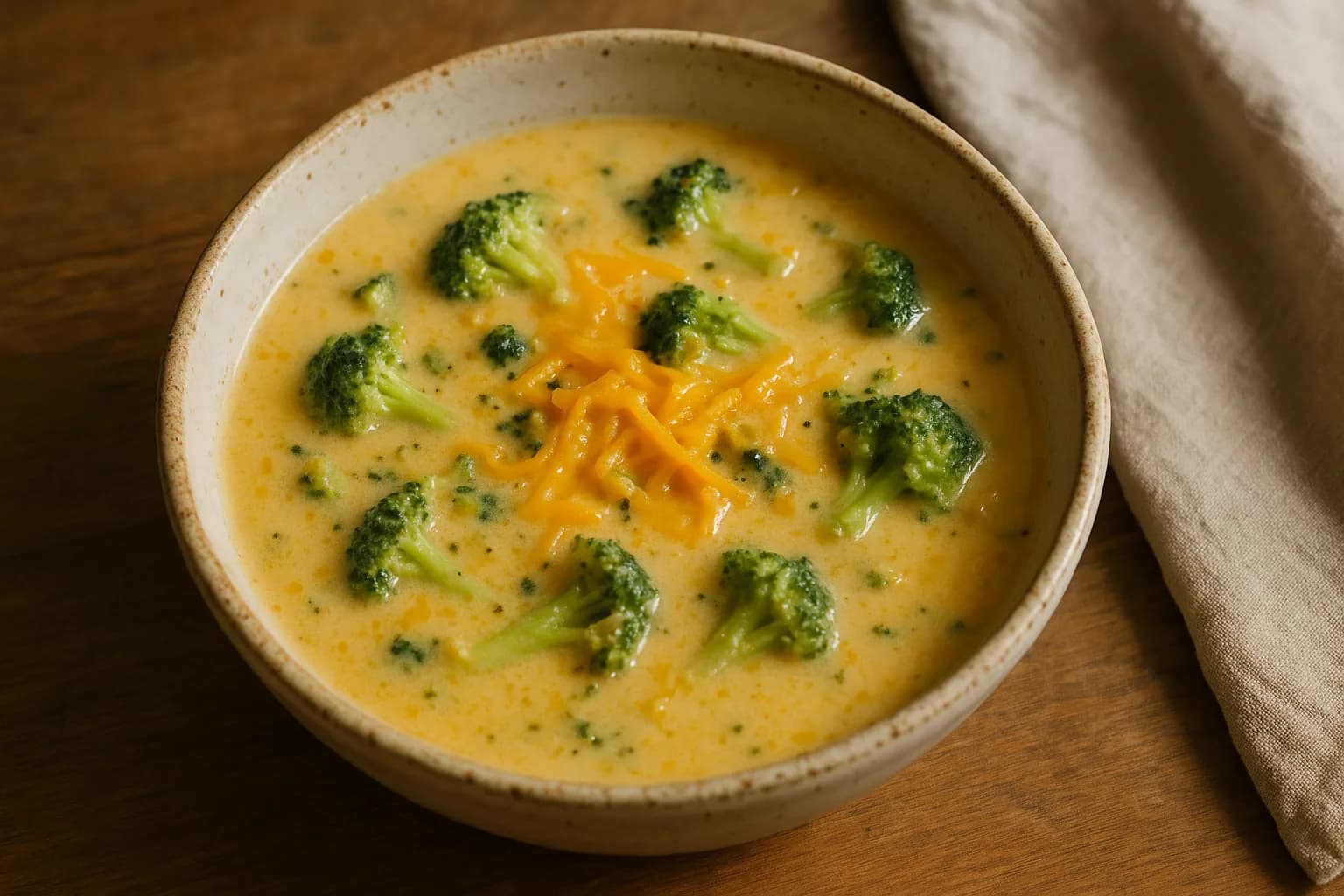
Cozy Broccoli Cheddar Soup
Warm up with this creamy and cheesy broccoli cheddar soup, perfect for a chilly day!
 Lunch & light meals
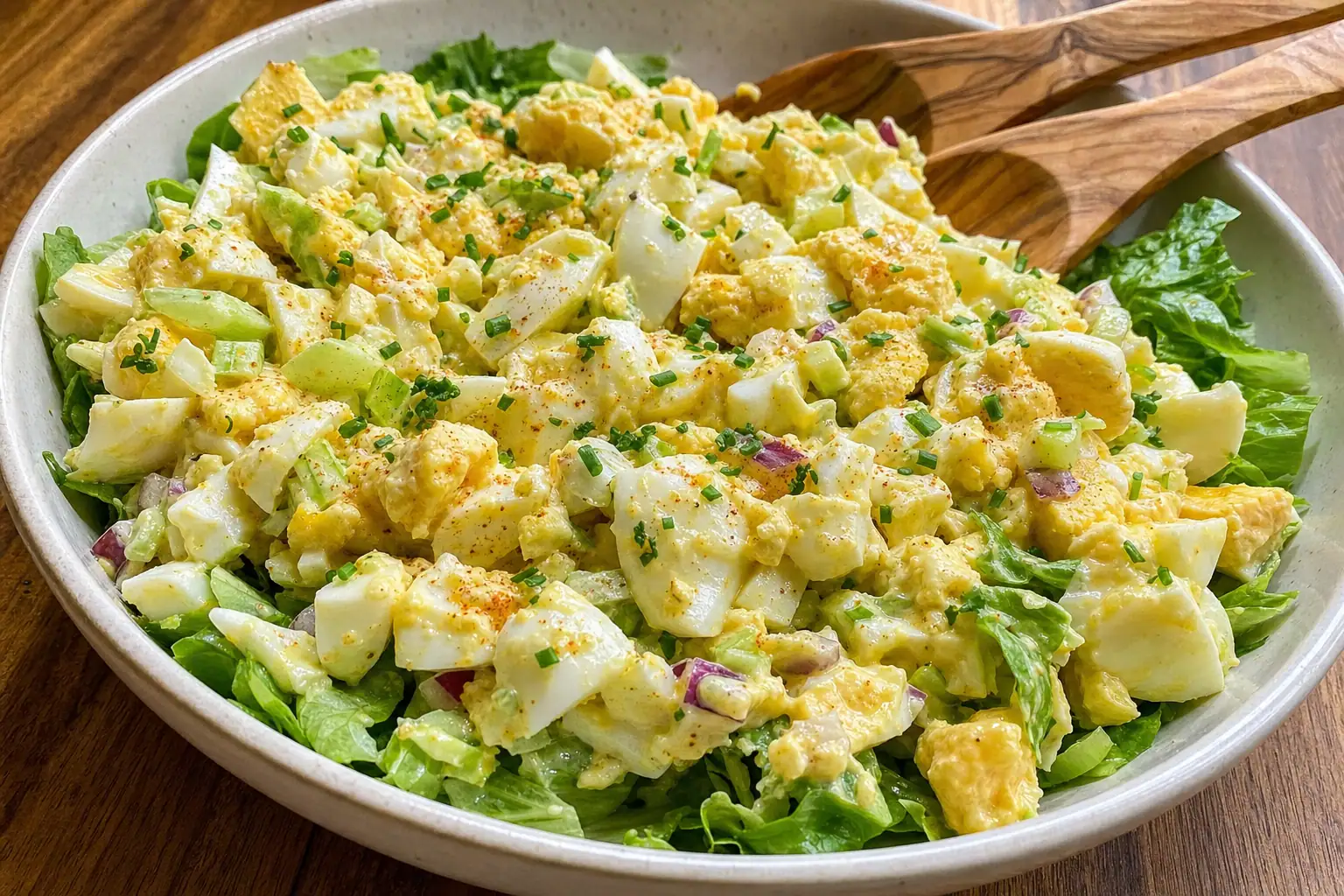
Classic Egg Salad
Creamy, simple egg salad is a lunch staple for good reason. This version keeps the texture chunky, the flavor bright, and the ingredient list short.
 Lunch & light meals
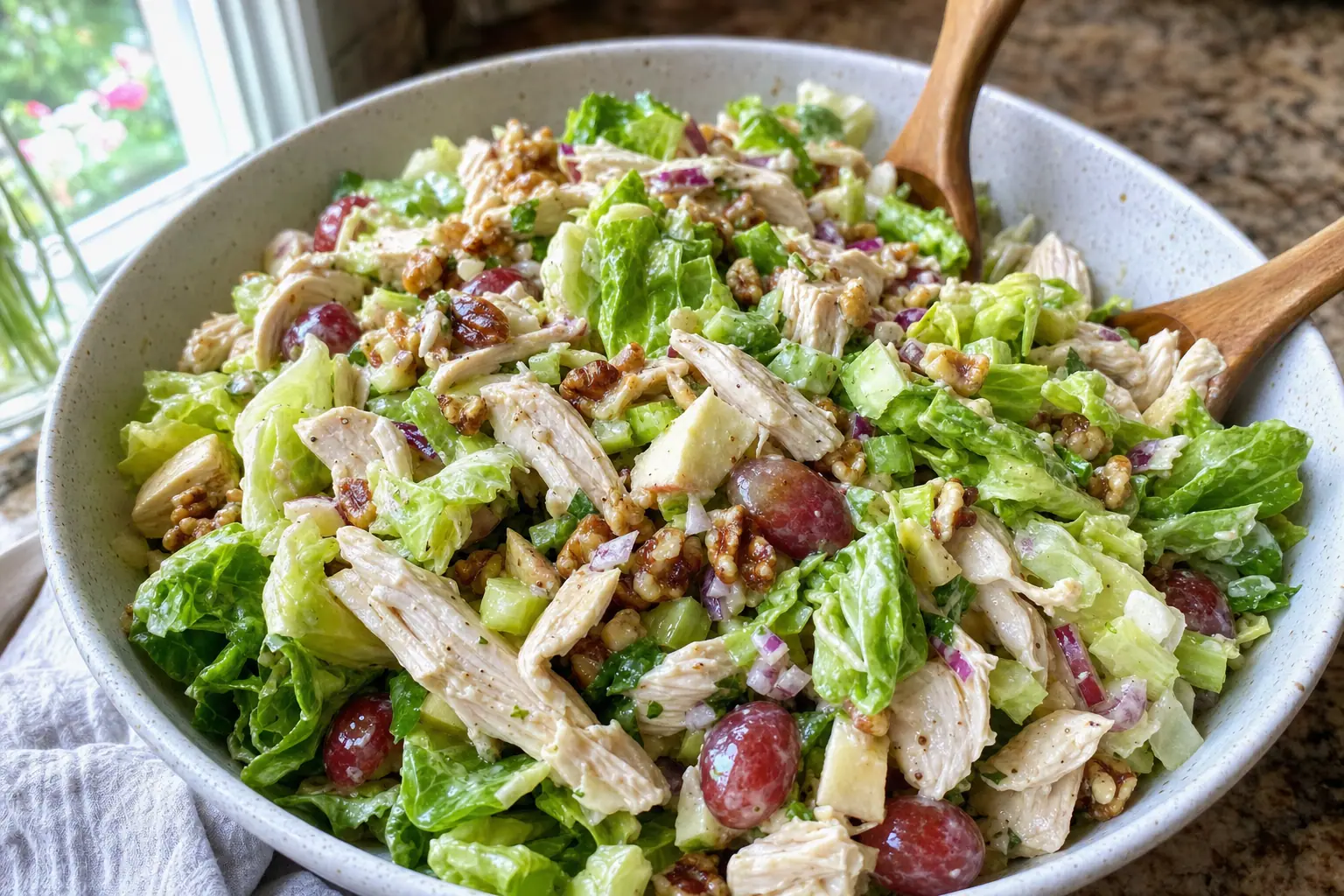
Classic Chicken Salad
This creamy chicken salad is the kind of simple, useful recipe you can make for sandwiches, lettuce cups, or a quick lunch plate. It is crisp, tender, lightly tangy, and easy to adjust with what you have in the fridge.
 Lunch & light meals
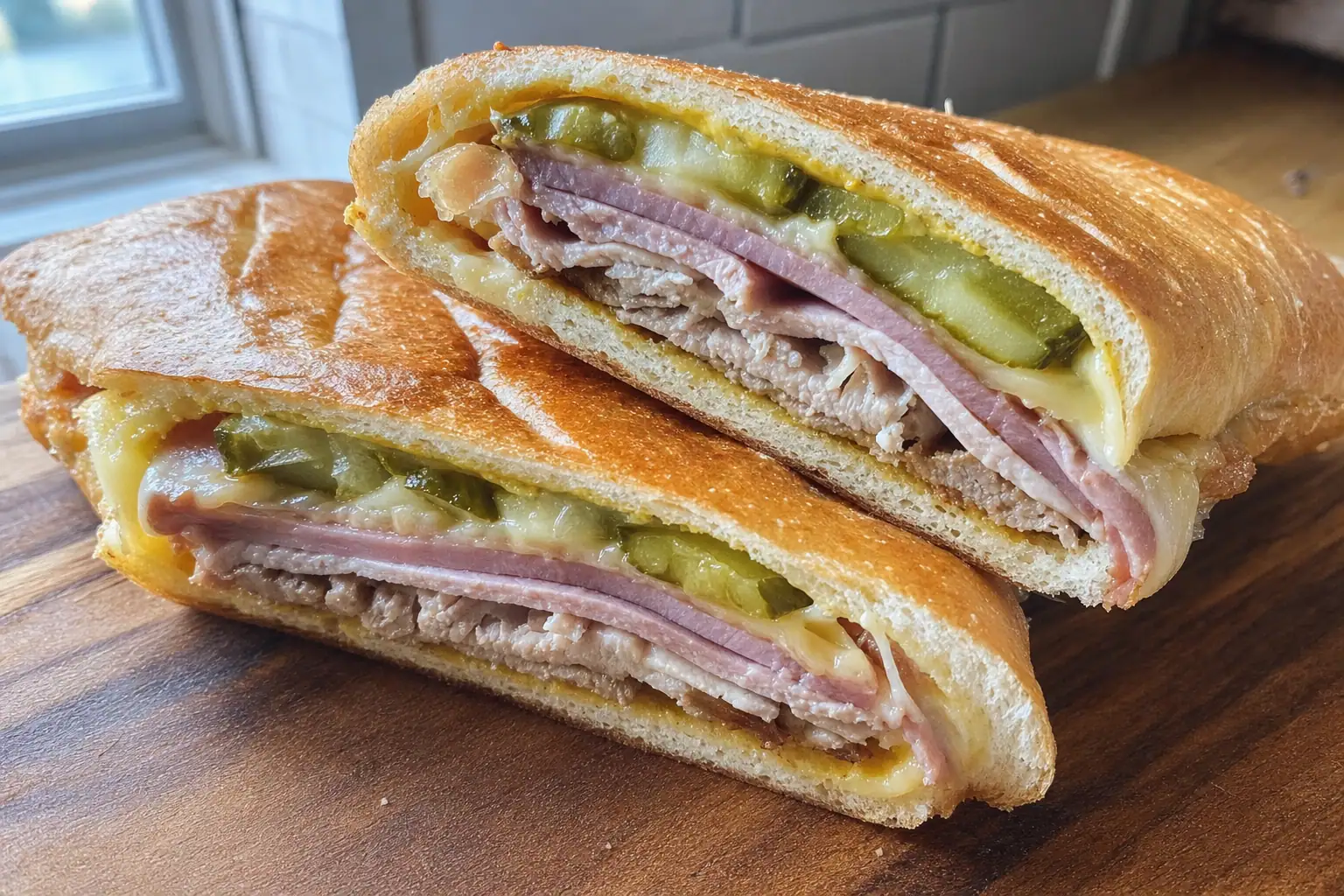
Cuban Sandwich
A Cuban sandwich is crisp on the outside, warm and melty inside, and built with a simple stack of roast pork, ham, Swiss cheese, pickles, and mustard. This version uses cooked pork, so it comes together fast for lunch or