
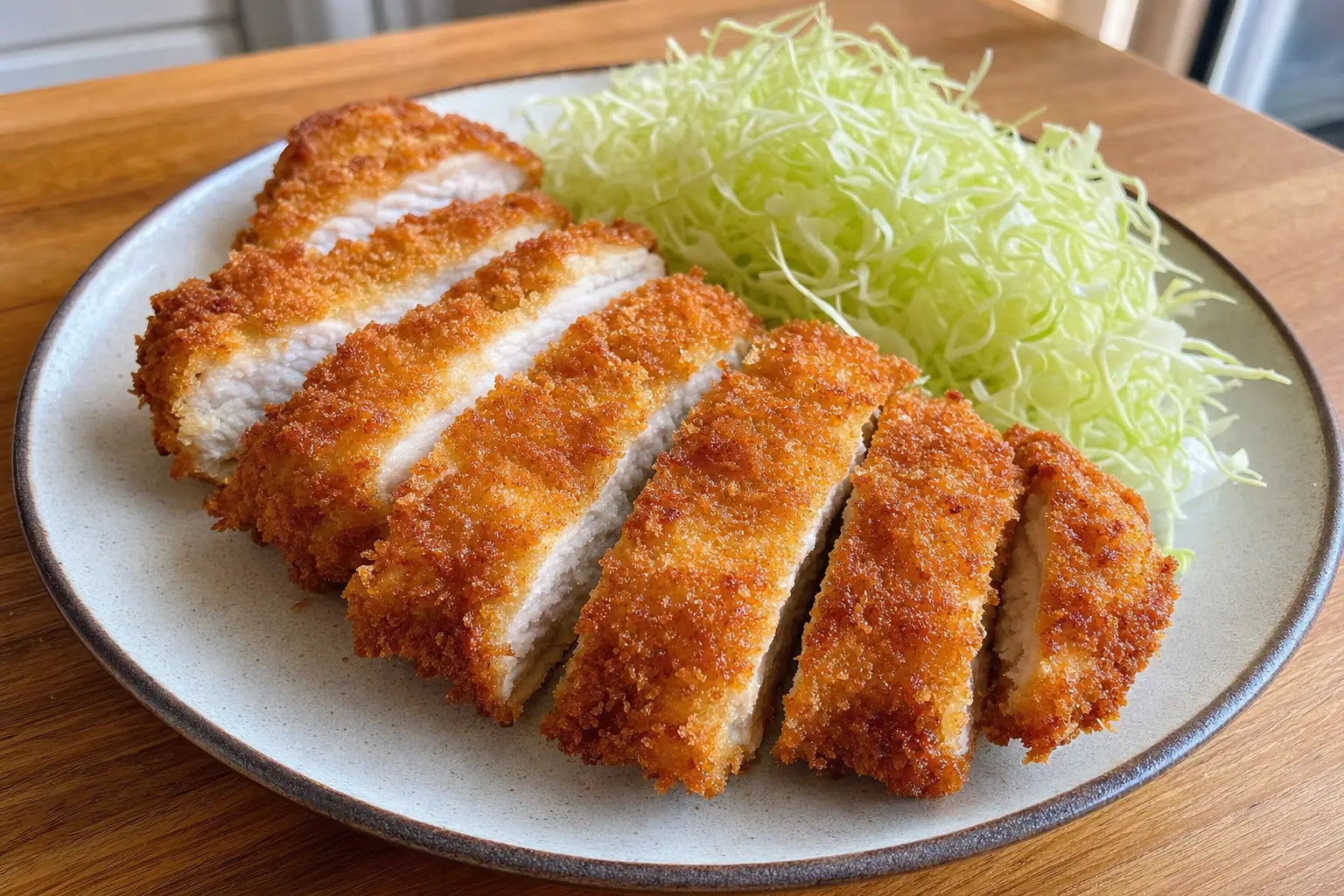
Chicken Katsu
Crisp, golden chicken katsu is a weeknight-friendly Japanese-style cutlet made with panko breadcrumbs. Serve it with rice, shredded cabbage, and a tangy katsu sauce for a simple dinner that feels special without being f朱
Total
35 min
Servings
4 servings
Level
Easy
Chicken katsu is a breaded and fried chicken cutlet with a light, crunchy coating. The crunch comes from panko, Japanese-style breadcrumbs that are larger and flakier than regular breadcrumbs.
This recipe uses boneless chicken breasts, pounded thin so they cook quickly and evenly. If you prefer dark meat, boneless chicken thighs work well too, though they may need an extra minute or two in the pan.
Serve chicken katsu sliced into strips with steamed rice, finely shredded cabbage, and katsu sauce. You can use bottled sauce or make the quick version included here.
01What you'll need
Ingredients
16 items · 4 servings
- 4 boneless, skinless chicken breasts, about 6 ounces each
- 1 teaspoon fine salt, divided
- 1/2 teaspoon freshly ground black pepper
- 1/2 cup all-purpose flour
- 2 large eggs
- 1 tablespoon water
- 2 cups panko breadcrumbs
- 1 to 1 1/2 cups neutral oil, such as canola, vegetable, or peanut oil, for shallow frying
- Steamed white rice, for serving
- Finely shredded green cabbage, for serving
- Lemon wedges, for serving, optional
- For quick katsu sauce: 1/4 cup ketchup
- For quick katsu sauce: 2 tablespoons Worcestershire sauce
- For quick katsu sauce: 1 tablespoon soy sauce
- For quick katsu sauce: 1 tablespoon mirin or honey
- For quick katsu sauce: 1 teaspoon Dijon mustard or yellow mustard
02How to make it
Step-by-step
1. Make the sauce
In a small bowl, stir together the ketchup, Worcestershire sauce, soy sauce, mirin or honey, and mustard. Taste and adjust with a little more soy sauce for saltiness or ketchup for sweetness. Set aside while you cook the chicken.
2. Flatten the chicken
Place one chicken breast between two sheets of baking paper or plastic wrap. Pound it with a rolling pin or the flat side of a meat mallet until it is about 1/2 inch thick. Repeat with the remaining chicken. Pounding means gently hitting the meat to make it an even thickness, which helps it cook at the same speed.
3. Season the cutlets
Pat the chicken dry with paper towels. Season both sides with the salt and black pepper. Use about 3/4 teaspoon salt for the chicken and save the rest for seasoning after frying if needed.
4. Set up the breading station
Put the flour in a shallow bowl. In a second shallow bowl, beat the eggs with the water. Put the panko in a third shallow bowl. Line up the bowls in this order: flour, egg, panko. Set a clean plate or tray at the end for the breaded chicken.
5. Bread the chicken
Coat one piece of chicken in flour and shake off the extra. Dip it into the egg, letting the excess drip back into the bowl. Press it into the panko until well coated on both sides. Place it on the clean plate and repeat with the remaining chicken.
6. Heat the oil
Pour enough oil into a large heavy skillet to come about 1/4 inch up the sides. Warm over medium heat until the oil reaches 350°F, or until a few panko crumbs sizzle right away when dropped in. If the oil smokes, it is too hot; lower the heat and wait a minute.
7. Fry until golden
Carefully add 1 or 2 cutlets to the pan, depending on the size of your skillet. Do not crowd the pan. Fry for 3 to 4 minutes per side, until deep golden and cooked through. The center should reach 165°F on an instant-read thermometer. Transfer to a wire rack or paper towel-lined plate. Repeat with the remaining chicken, adjusting the heat as needed.
8. Slice and serve
Let the chicken rest for 2 minutes so the juices settle. Slice each cutlet crosswise into strips. Serve with rice, shredded cabbage, lemon wedges if using, and the katsu sauce on the side or drizzled over the top.
03From our kitchen
Cook's tips
- Make-ahead: You can pound and bread the chicken up to 4 hours ahead. Keep it covered on a tray in the refrigerator. Fry just before serving for the crispest coating.
- Storage: Refrigerate leftover chicken katsu in an airtight container for up to 3 days. Store sauce separately if possible so the coating does not soften too much.
- Reheating: Reheat in a 375°F oven or air fryer for 8 to 10 minutes, until hot and crisp. Microwaving works for speed, but the crust will be softer.
- Chicken swap: Boneless, skinless chicken thighs make a juicier katsu. Pound them to an even thickness and cook until they reach 165°F.
- Breadcrumb swap: Panko gives the lightest crunch. Regular breadcrumbs can be used, but the coating will be finer and less airy.
- Oil temperature: If the crust browns before the chicken cooks through, the oil is too hot. If the coating absorbs oil and tastes heavy, the oil is too cool. Adjust the heat between batches.
Cook's note
For neat slices, use a sharp knife and cut straight down rather than sawing back and forth. A wire rack is also helpful after frying because it lets steam escape and keeps the underside from turning soggy.
04Frequently asked
Questions & answers
Can I bake chicken katsu instead of frying it?
Yes, though it will be a little less evenly crisp. Toast the panko in 1 to 2 tablespoons oil in a skillet until golden, then bread the chicken. Bake on a rack at 425°F for 15 to 20 minutes, or until the chicken reaches 165°F.
Can I make chicken katsu in an air fryer?
Yes. Spray the breaded chicken well with oil and air fry at 380°F for about 10 to 14 minutes, flipping halfway through. The timing depends on thickness, so check that the center reaches 165°F.
What is the difference between chicken katsu and schnitzel?
They are similar breaded cutlets. Chicken katsu usually uses panko breadcrumbs and is often served with rice, shredded cabbage, and a sweet-savory katsu or tonkatsu-style sauce.
Why is my panko coating falling off?
The chicken may have been too wet, or the coating may not have been pressed on firmly. Pat the chicken dry first, shake off extra flour, let extra egg drip away, and press the panko onto the surface before frying.
What can I serve with chicken katsu?
Steamed rice and shredded cabbage are classic. It is also good with cucumber salad, miso soup, pickled vegetables, or Japanese curry sauce.
05Keep cooking
You might also like
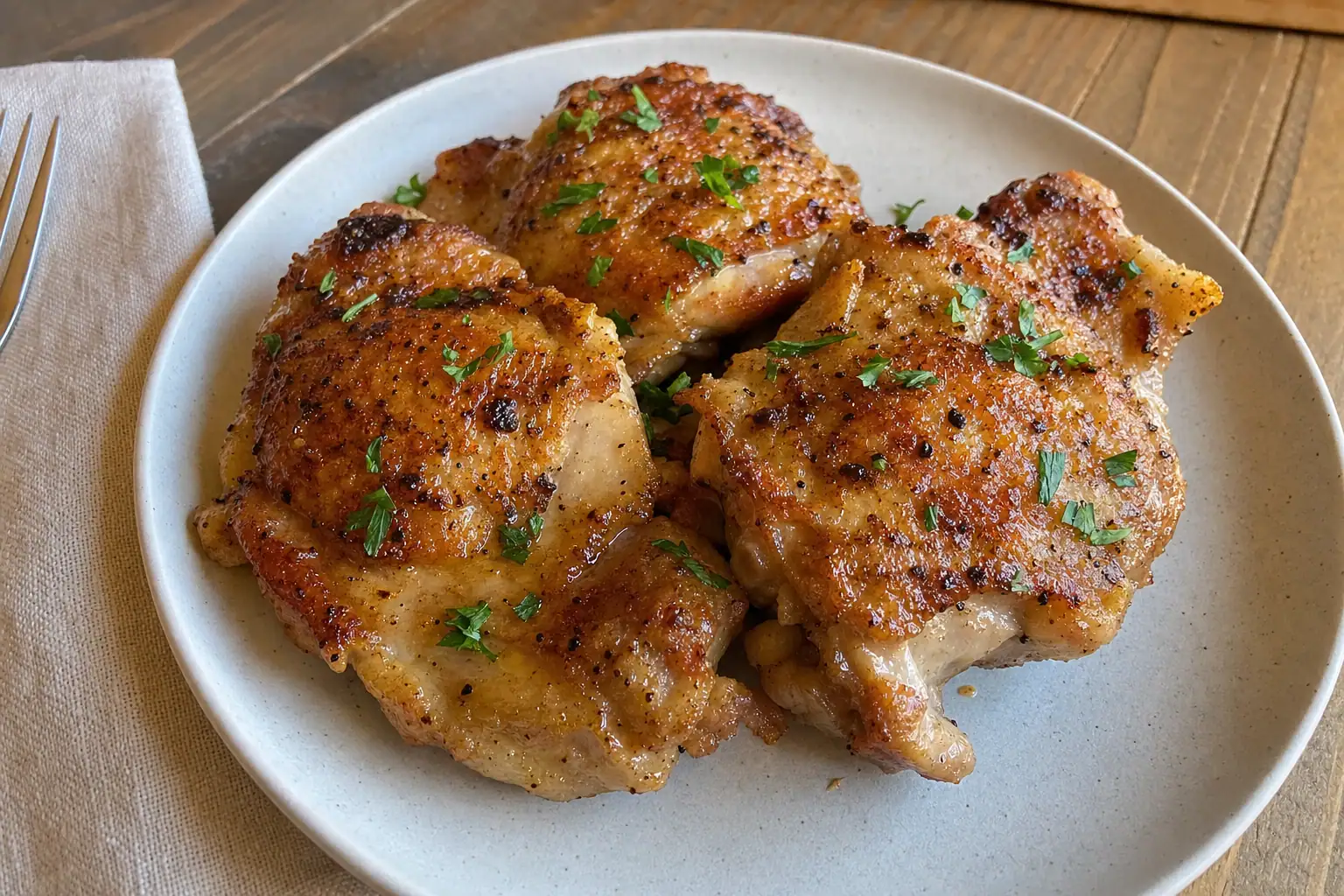 Dinner
Crispy Oven-Baked Chicken Thighs
These bone-in chicken thighs bake up juicy inside with crisp, well-seasoned skin. It is a simple dinner recipe that works with rice, potatoes, salad, or whatever vegetables you have on hand.
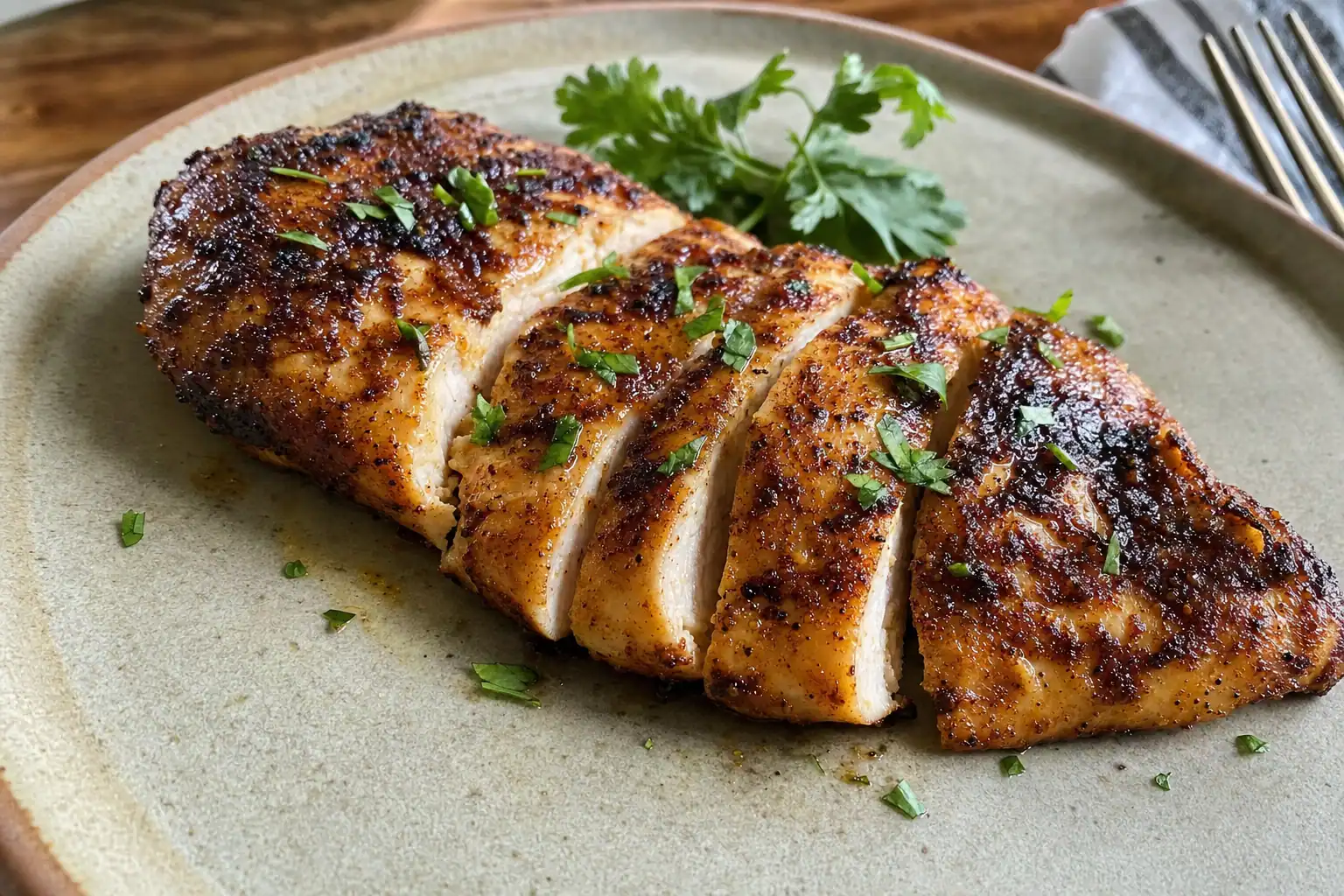 Dinner
Blackened Chicken
This blackened chicken is smoky, peppery, and quick enough for a weeknight. A hot skillet gives the spice-coated chicken a dark, flavorful crust without needing a grill.
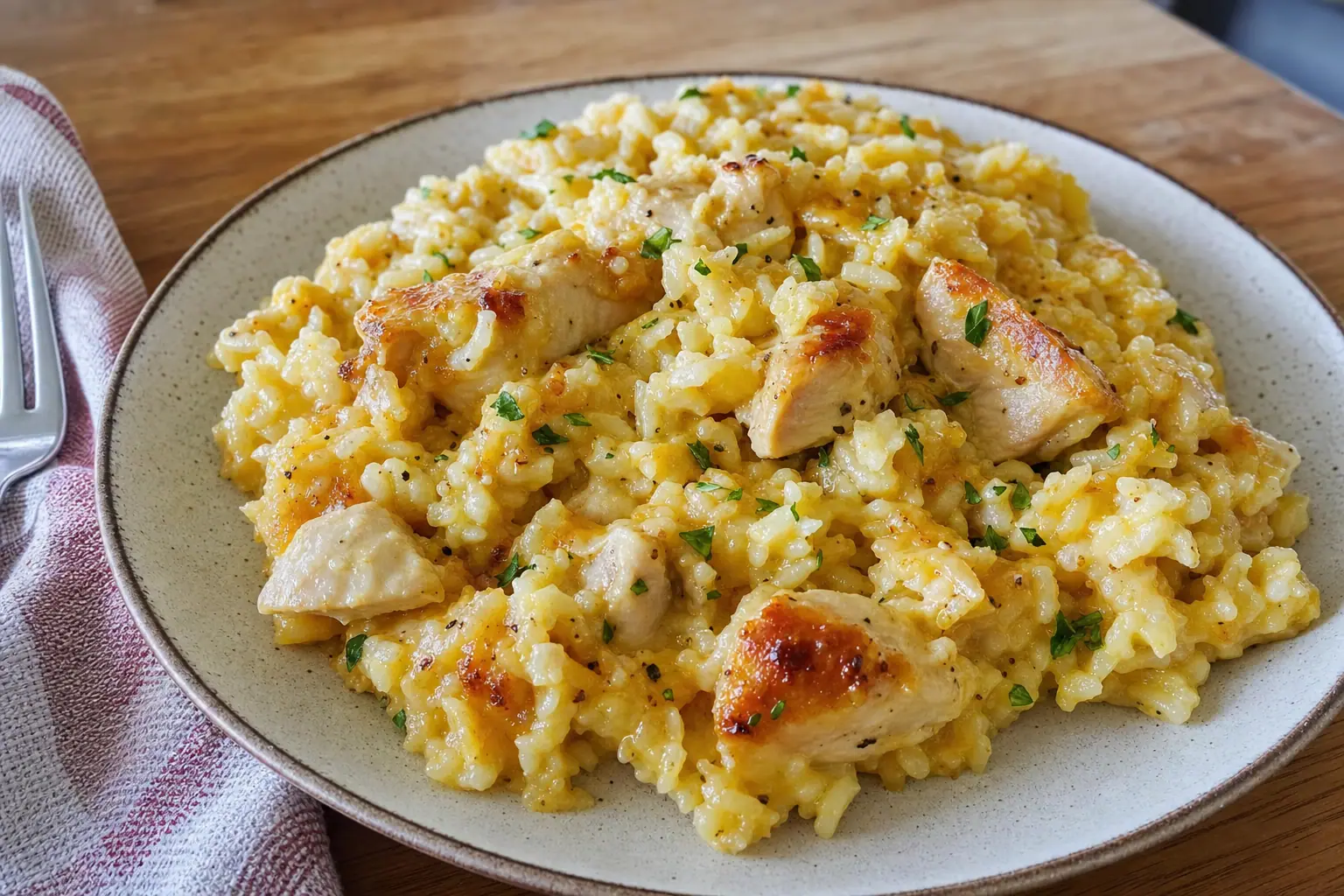 Dinner
Chicken and Rice Casserole
This cozy chicken and rice casserole bakes in one dish with tender chicken, creamy rice, and a crisp, buttery topping. It is the kind of dinner that feels familiar, fills the table, and leaves you with very little to do.
 Dinner
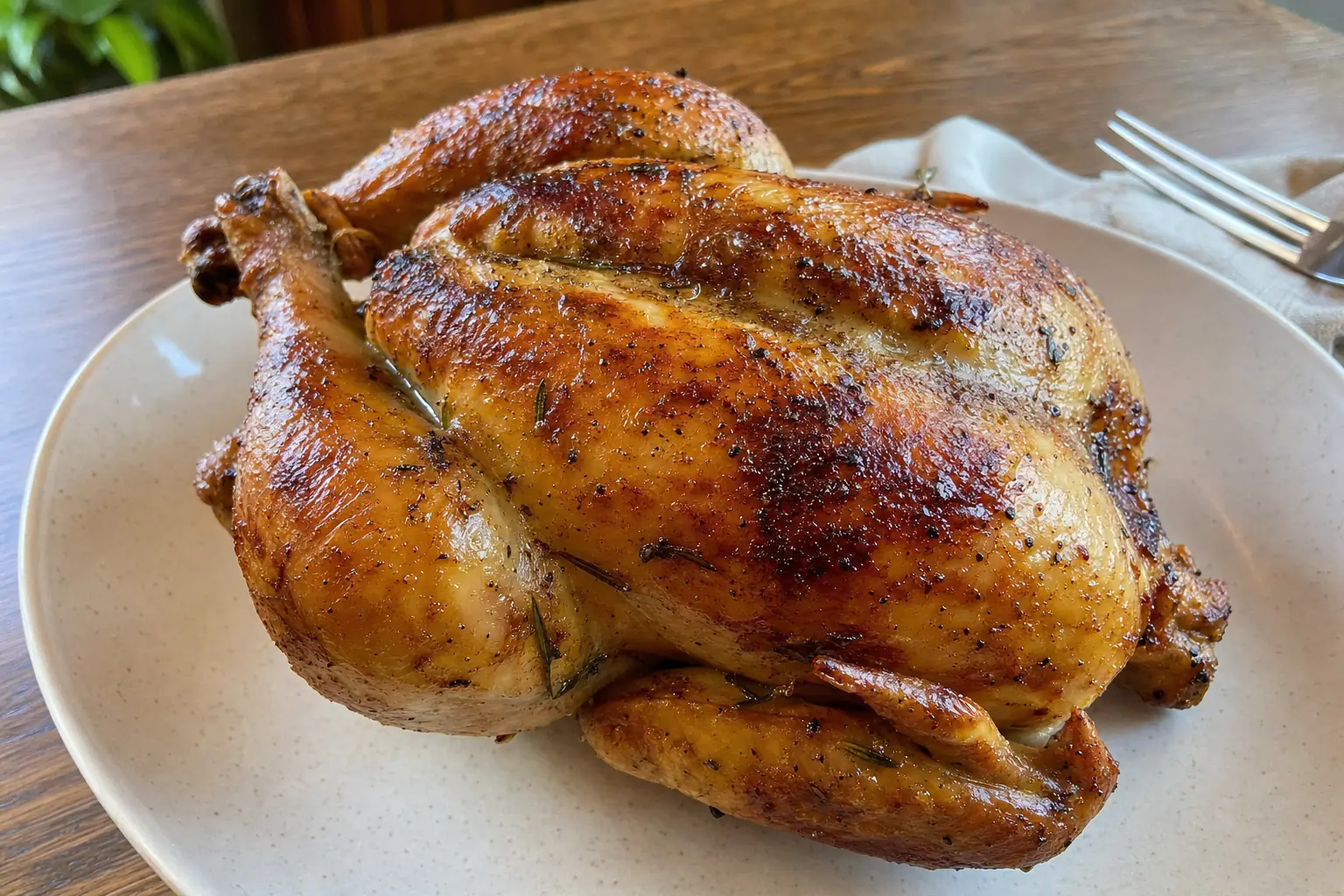
Simple Roasted Chicken
A golden roasted chicken is the kind of dinner that feels special without asking much from you. This version uses lemon, garlic, herbs, and a hot oven for crisp skin and juicy meat.