
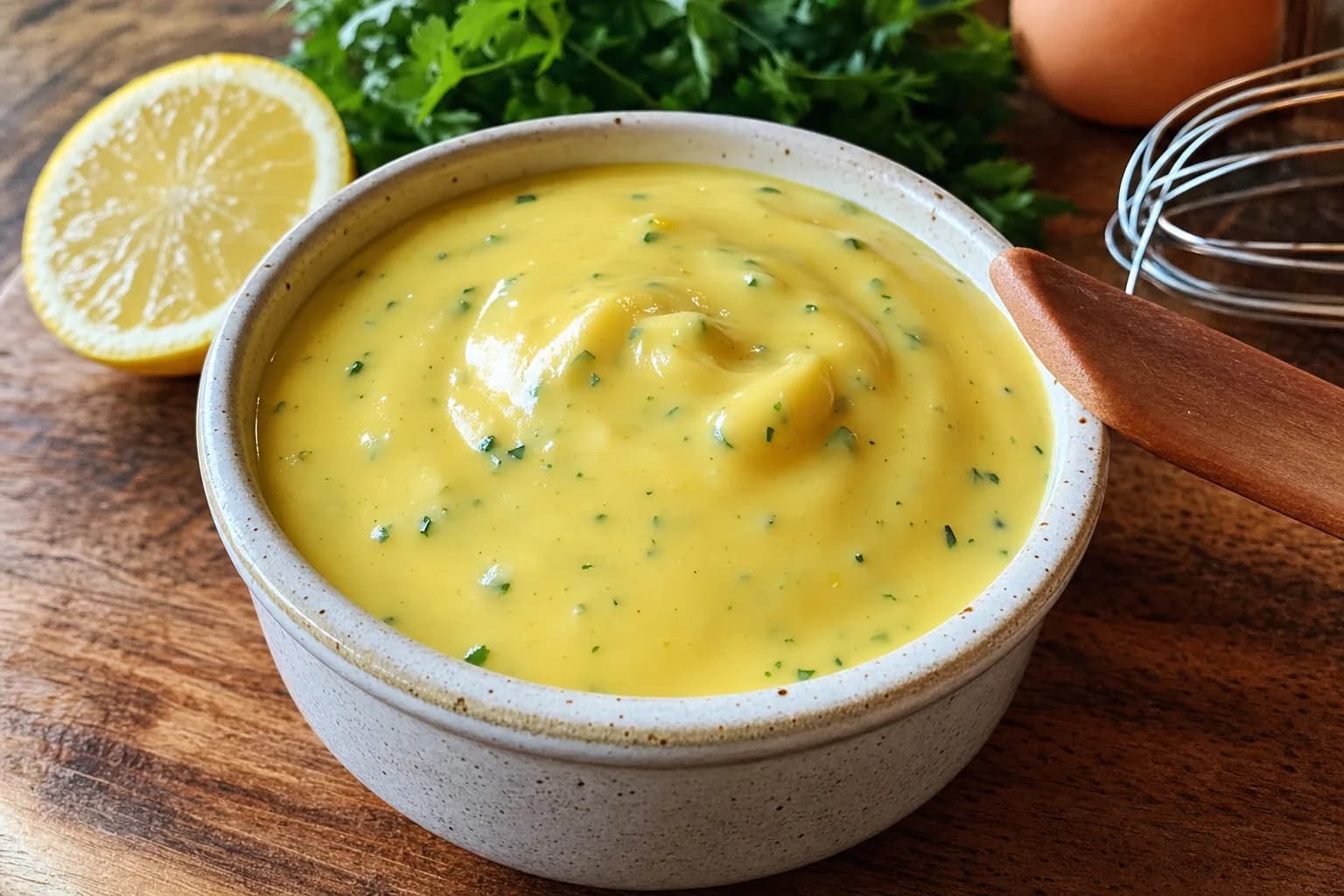
Classic Hollandaise Sauce
This silky lemon-butter sauce is the one to spoon over eggs Benedict, asparagus, salmon, or roasted potatoes. A gentle heat and slow stream of butter make it smooth, rich, and doable at home.
Total
20 min
Servings
Makes about 1 cup, enough for 4 to 6
Level
Medium
Hollandaise is a warm French sauce made with egg yolks, melted butter, lemon juice, and a little seasoning. It tastes rich and bright at the same time, which is why it works so well with eggs, vegetables, and fish.
The main skill is keeping the heat low. Egg yolks thicken as they warm, but they can scramble if they get too hot. A bowl set over a pan of barely simmering water gives you control.
This recipe uses the classic whisked method. It takes a few minutes of attention, but you only need a small pan, a heatproof bowl, and a whisk.
01What you'll need
Ingredients
7 items · Makes about 1 cup, enough for 4 to 6
- 3 large egg yolks
- 1 tablespoon fresh lemon juice, plus more to taste
- 1 tablespoon warm water
- 1/4 teaspoon fine salt, plus more to taste
- 1/8 teaspoon cayenne pepper or a few drops of hot sauce, optional
- 10 tablespoons unsalted butter, melted and kept warm
- Freshly ground black pepper, optional
02How to make it
Step-by-step
1. Set up gentle heat
Fill a small saucepan with 1 inch of water and bring it to a bare simmer. A bare simmer means you should see steam and a few small bubbles, not a rolling boil. Choose a heatproof bowl that fits over the pan without touching the water.
2. Melt the butter
Melt the butter in a small pan or microwave-safe cup. Keep it warm, not boiling hot. If there are white milk solids at the bottom, that is fine for a home-style hollandaise; just pour slowly later and leave most of them behind if you want a smoother sauce.
3. Whisk the yolks
Add the egg yolks, lemon juice, warm water, salt, and cayenne or hot sauce, if using, to the heatproof bowl. Whisk for about 30 seconds, until the mixture looks slightly lighter and a little foamy.
4. Warm and thicken
Set the bowl over the simmering water. Whisk constantly for 2 to 4 minutes, scraping around the sides and bottom of the bowl. The yolk mixture should thicken enough to lightly coat the whisk. If the bowl gets very hot or you see steam building fast, lift it off the pan for a few seconds while whisking.
5. Add the butter slowly
Remove the bowl from the heat or keep it over very low heat if your kitchen is cool. Whisk in the warm melted butter a few drops at a time at first. Once the sauce starts to look creamy and stable, pour the butter in a thin, steady stream while whisking constantly.
6. Adjust the texture
If the sauce is too thick, whisk in warm water 1 teaspoon at a time until it is pourable but still rich. If it looks thin, place the bowl back over the simmering water and whisk for 30 to 60 seconds.
7. Season and serve
Taste the sauce and add more lemon juice, salt, pepper, or cayenne as needed. Serve warm right away, spooned over poached eggs, steamed asparagus, roasted vegetables, fish, or breakfast potatoes.
03From our kitchen
Cook's tips
- Make-ahead: Hollandaise is at its best right after it is made. You can hold it for 30 to 60 minutes in a warm spot, such as a bowl set over warm—not hot—water. Whisk occasionally and add a teaspoon of warm water if it thickens.
- Storage: Because hollandaise contains egg yolks and butter, refrigerate leftovers within 2 hours. Store in an airtight container for up to 1 day. Reheat gently over warm water, whisking often. Do not microwave on full power, as the sauce can split or scramble.
- Food safety: For young children, pregnant people, older adults, or anyone with a weakened immune system, use pasteurized eggs. Hollandaise is gently cooked, but it may not reach the same temperature as fully cooked eggs.
- If the sauce splits: A split sauce looks oily or curdled. Whisk 1 teaspoon warm water with 1 teaspoon lemon juice in a clean bowl, then slowly whisk the split sauce into it. Go drop by drop at first.
- Butter swap: Unsalted butter gives you the most control. Salted butter works, but start with half the salt and adjust at the end.
- Lemon swap: White wine vinegar can replace some or all of the lemon juice. It gives a sharper, more classic French flavor. Add it slowly and taste as you go.
Cook's note
For a smoother, restaurant-style sauce, use clarified butter, which is butter with the milk solids removed. For everyday cooking, regular melted butter works well and gives the sauce a round, buttery flavor.
04Frequently asked
Questions & answers
Why did my hollandaise turn into scrambled eggs?
The heat was likely too high. Use barely simmering water, make sure the bowl does not touch the water, and whisk constantly. If the bowl feels too hot to hold at the edge, lift it off the pan and keep whisking.
Can I make hollandaise in a blender?
Yes. Add the yolks, lemon juice, warm water, and salt to a blender, then blend while slowly streaming in hot melted butter. It is faster, but the classic whisked method gives you more control over heat and thickness.
How do I keep hollandaise warm for brunch?
Keep it in a heatproof bowl set over a pan of warm water off the heat. The water should feel warm, not hot. Whisk every 10 minutes and loosen with a little warm water if needed.
What should hollandaise sauce taste like?
It should taste buttery, rich, lightly tangy, and gently salty. The lemon should brighten the sauce without making it sour. Add lemon juice and salt in small amounts until it tastes balanced.
Can I double this recipe?
Yes. Use a larger bowl and whisk with care, since a bigger batch takes a little longer to thicken. Add the butter slowly, just as you would for a single batch.
05Keep cooking
You might also like
 Salads & sides
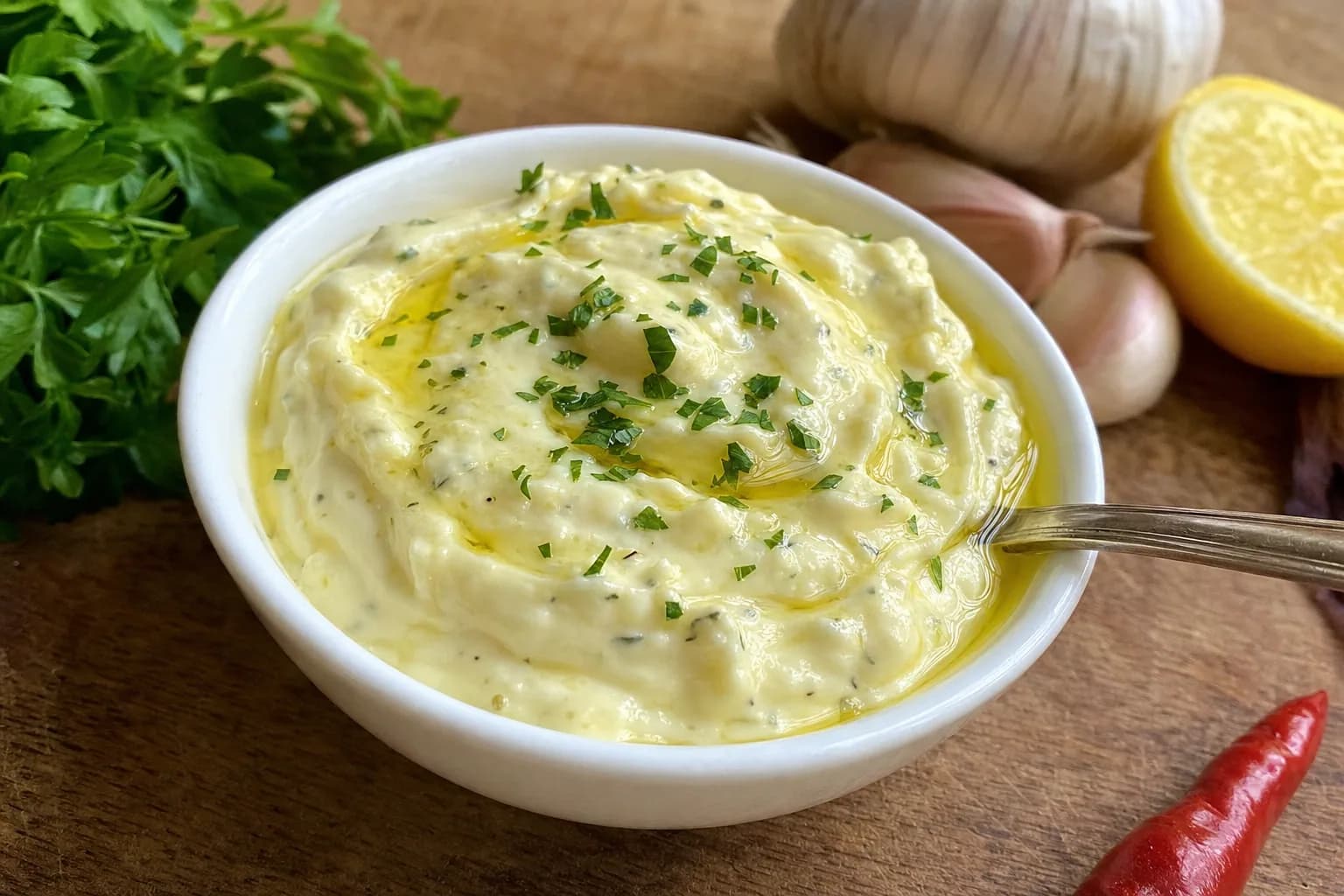
Garlic Aioli
Creamy, garlicky aioli is a simple sauce that makes fries, sandwiches, grilled vegetables, and seafood feel more complete. This version uses an egg yolk and a slow stream of oil for a smooth, spoonable texture.
 Salads & sides
Béchamel Sauce
A smooth béchamel is one of the most useful sauces you can learn. This simple white sauce turns milk, butter, and flour into the creamy base for lasagna, gratins, croque monsieur, and baked pasta.
 Salads & sides
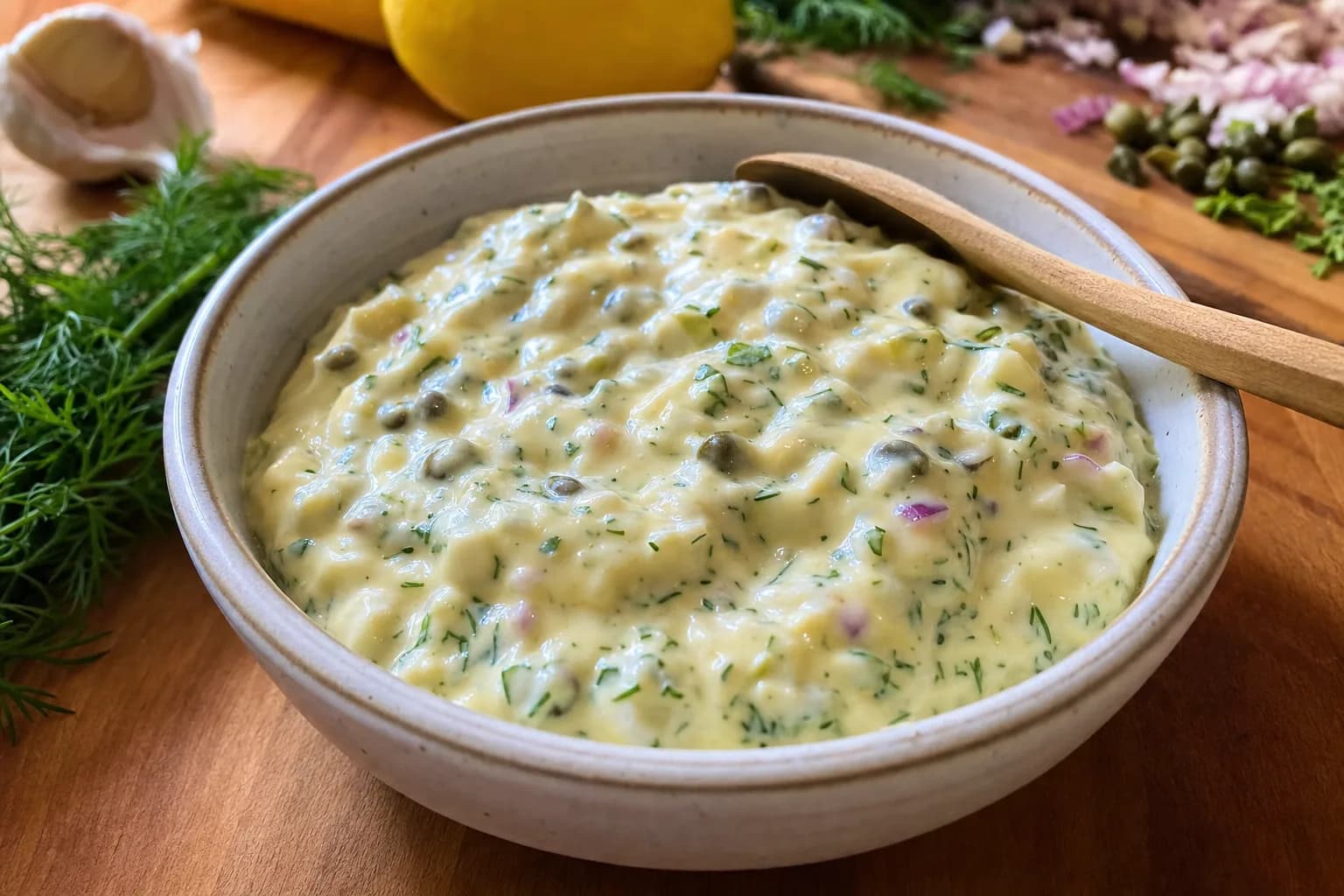
Classic Tartar Sauce
This creamy tartar sauce is bright, tangy, and easy to stir together in about 10 minutes. Serve it with fish sticks, fried seafood, crab cakes, or roasted potatoes.
 Salads & sides
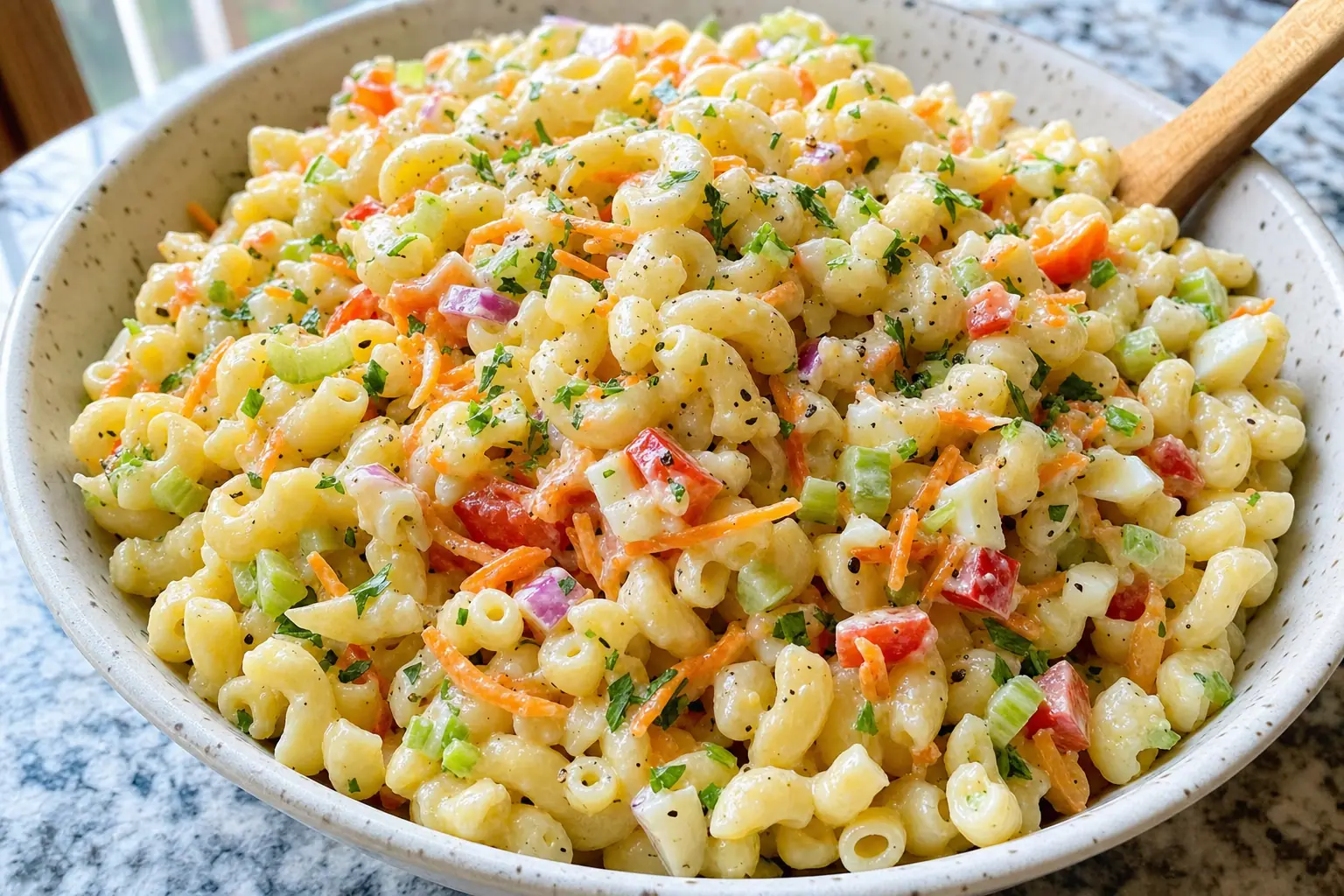
Classic Macaroni Salad
Creamy, tangy, and full of crunch, this macaroni salad is the kind of side dish that fits right in at picnics, cookouts, and easy lunches. A quick rinse after cooking keeps the pasta firm and ready for its simple, mayo-m