
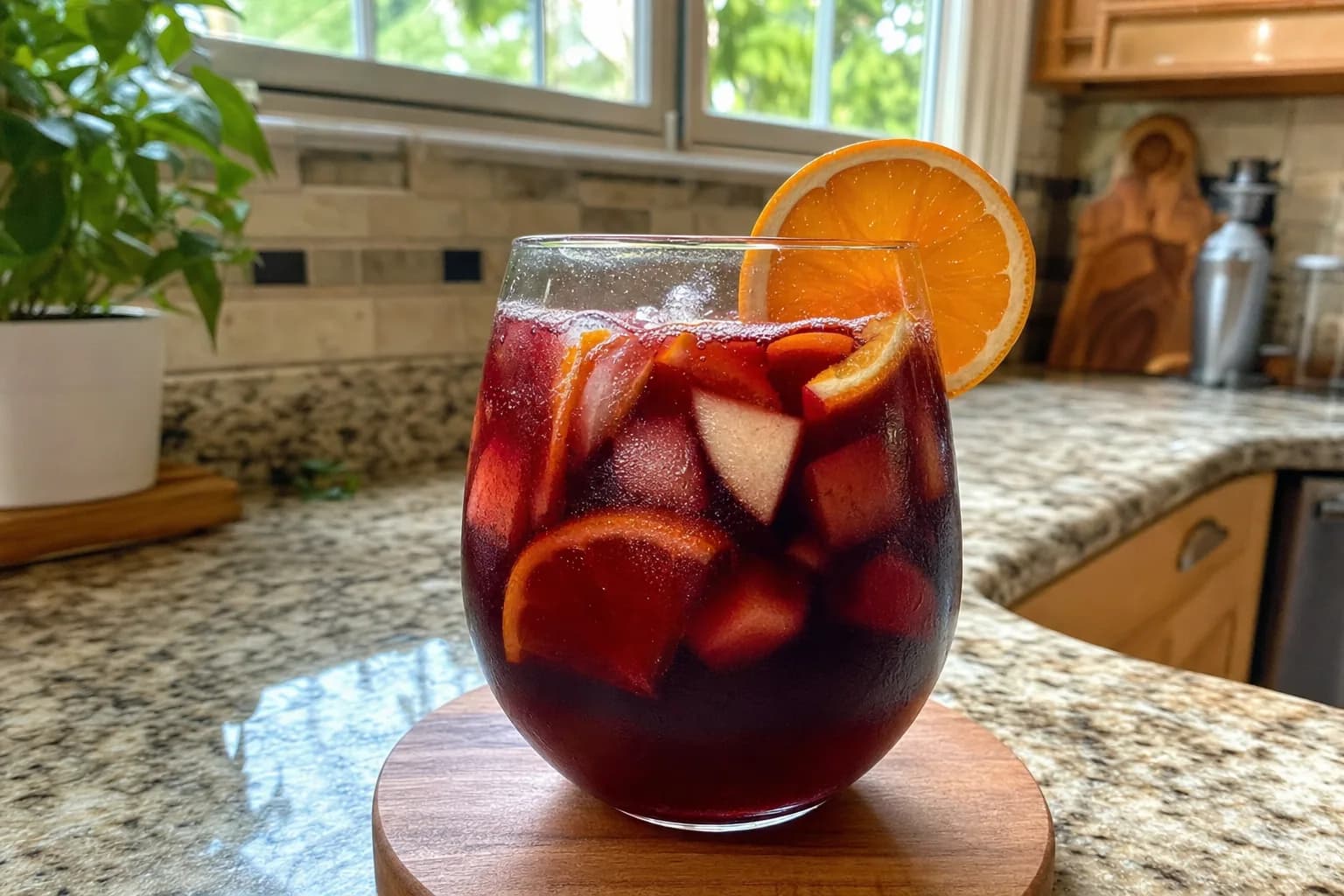
Classic Red Sangria
This easy red sangria is fruity, gently sweet, and made for sharing. Mix it ahead so the citrus, apple, and berries have time to flavor the wine.
Total
15 min
Servings
6 to 8 drinks
Level
Easy
Sangria is a wine-based punch from Spain and Portugal, usually made with fruit, a little sweetener, and sometimes a splash of brandy or liqueur. It is simple to make, but it tastes better when it has time to chill.
This version uses dry red wine, orange juice, brandy, orange liqueur, citrus, apple, and berries. The fruit softens in the pitcher and gives the drink a bright, fresh flavor without making it too sweet.
Serve it cold over ice, with a little sparkling water if you like a lighter drink. This recipe is intended for adults of legal drinking age.
01What you'll need
Ingredients
12 items · 6 to 8 drinks
- 1 bottle dry red wine, 750 ml, such as Tempranillo, Garnacha, Merlot, or Cabernet Sauvignon
- 1/4 cup brandy
- 1/4 cup orange liqueur, such as Cointreau or triple sec
- 1/2 cup fresh orange juice, from about 2 oranges
- 2 tablespoons maple syrup, honey, or simple syrup, plus more to taste
- 1 orange, thinly sliced
- 1 lemon, thinly sliced
- 1 crisp apple, cored and chopped
- 1 cup strawberries, hulled and sliced, or mixed berries
- 1 cinnamon stick, optional
- 1 to 2 cups chilled sparkling water or club soda, optional, for serving
- Ice, for serving
02How to make it
Step-by-step
1. Choose a pitcher
Use a large pitcher that holds at least 2 quarts. If you plan to add sparkling water right in the pitcher, choose one with a little extra room so it does not overflow.
2. Mix the liquid base
Pour the red wine, brandy, orange liqueur, orange juice, and 2 tablespoons sweetener into the pitcher. Stir well until the sweetener is fully mixed in.
3. Add the fruit
Add the orange slices, lemon slices, chopped apple, berries, and cinnamon stick if using. Stir gently so the fruit is coated with the wine mixture.
4. Taste for sweetness
Dip in a spoon and taste a small sip. If the wine tastes too sharp, add another 1 to 2 teaspoons sweetener. Keep it a little less sweet than you want, because the fruit will add flavor as it sits.
5. Chill the sangria
Cover the pitcher and refrigerate for at least 2 hours, or up to 12 hours. This resting time is called macerating, which means the fruit soaks in the liquid and releases flavor.
6. Stir before serving
Remove the pitcher from the fridge and stir gently. If you used a cinnamon stick and want a lighter spice flavor, take it out before serving.
7. Serve over ice
Fill glasses with ice, then pour in the sangria and some of the fruit. Top each glass with a splash of sparkling water or club soda if you want a fresher, lighter drink.
8. Adjust the final glass
Taste one finished glass. Add a little more sparkling water if it tastes strong, or a small drizzle of sweetener if it tastes too tart.
03From our kitchen
Cook's tips
- Make-ahead: Sangria is better after 2 to 4 hours in the fridge. You can make it up to 12 hours ahead. Add sparkling water only right before serving so it stays fizzy.
- Storage: Keep leftover sangria covered in the fridge for up to 2 days. The fruit will soften over time, so strain it out after the first day if you prefer a cleaner drink.
- Wine swap: Choose a dry, fruity red wine you would enjoy drinking on its own. Avoid very expensive bottles and very oaky wines, which can taste heavy in sangria.
- Fruit swaps: Peaches, nectarines, blackberries, raspberries, pears, or grapes all work. Use ripe but firm fruit so it does not fall apart in the pitcher.
- Sweetener swaps: Simple syrup blends in the easiest. To make it, stir equal parts sugar and hot water until dissolved, then cool. Maple syrup and honey also work, but honey may need extra stirring.
- For a lighter sangria: Skip the brandy, use only 2 tablespoons orange liqueur, and top each glass with more sparkling water before serving.
Cook's note
For a classic Spanish-style feel, use Tempranillo or Garnacha and keep the sweetness moderate. Sangria should taste like chilled wine with fruit, not like fruit juice with a splash of wine.
04Frequently asked
Questions & answers
What is the best wine for sangria?
Use a dry, fruity red wine such as Tempranillo, Garnacha, Merlot, or Cabernet Sauvignon. You do not need an expensive bottle, but avoid wine you would not want to drink by itself.
How long should sangria sit before serving?
At least 2 hours is helpful. Four hours gives the fruit more time to flavor the wine. Try not to go much longer than 12 hours before serving, because citrus peel can start to taste bitter.
Can I make sangria without brandy?
Yes. Skip the brandy and add an extra splash of orange juice or sparkling water. The drink will be lighter and a little less strong, but still flavorful.
Can I use white wine instead of red wine?
Yes, but it becomes white sangria. Use a dry white wine such as Sauvignon Blanc, Pinot Grigio, or Albariño, and choose fruits like peaches, apples, citrus, berries, or grapes.
Why does my sangria taste bitter?
Bitterness usually comes from citrus peels sitting too long or from a very tannic wine. Tannic means the wine has a dry, mouth-puckering feel. Next time, chill for a shorter time, remove citrus after a few hours, or use a softer red wine.
05Keep cooking
You might also like
 Drinks
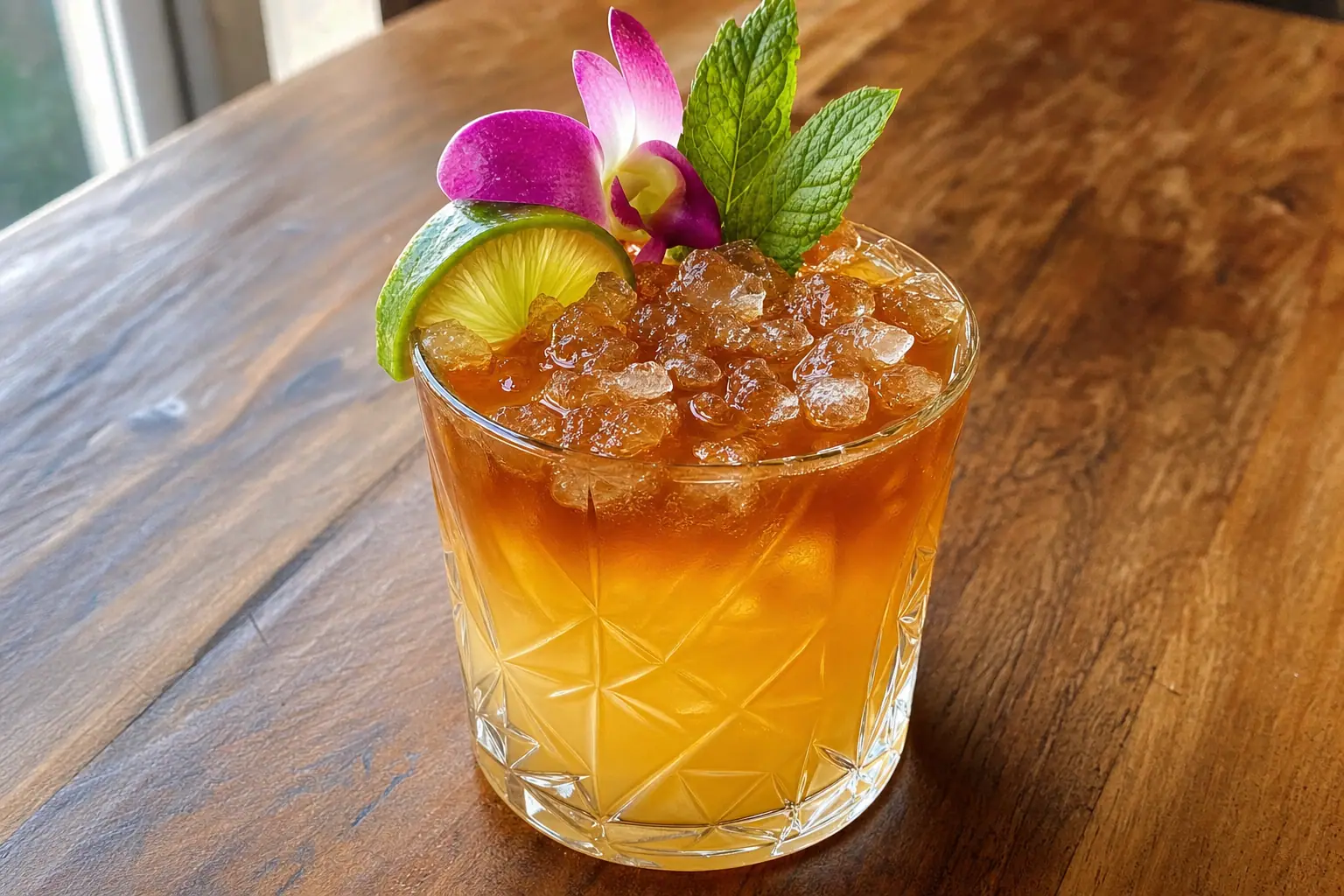
Classic Mai Tai
This mai tai keeps close to the tiki bar classic: rum, fresh lime, orange curaçao, orgeat, and crushed ice. It is bright, nutty, and strong, with no pineapple juice needed.
 Drinks
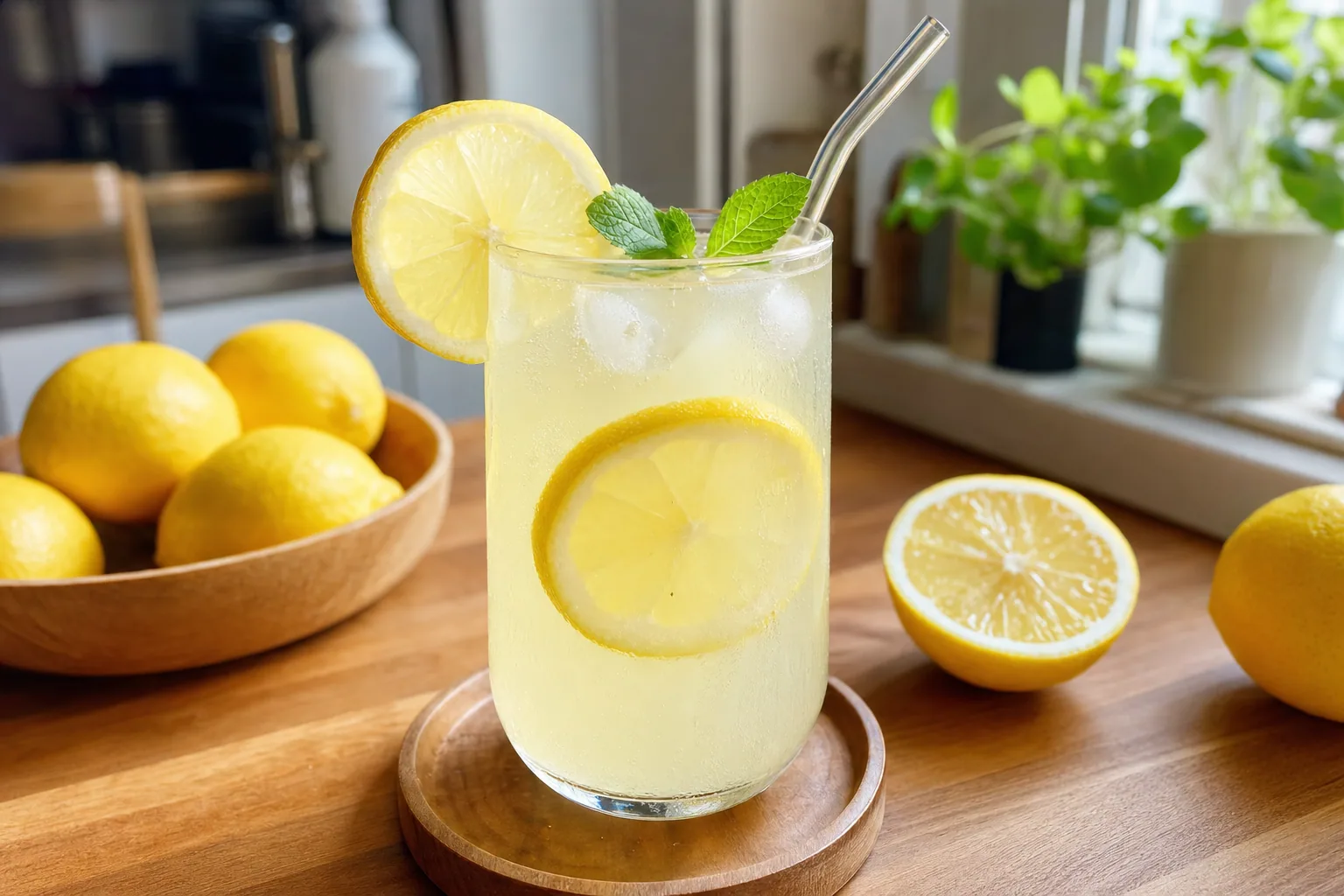
Classic Homemade Lemonade
Bright, simple lemonade starts with fresh lemons, a little sugar, and cold water. A quick syrup helps the sugar dissolve, so every glass tastes smooth instead of gritty.
 Drinks
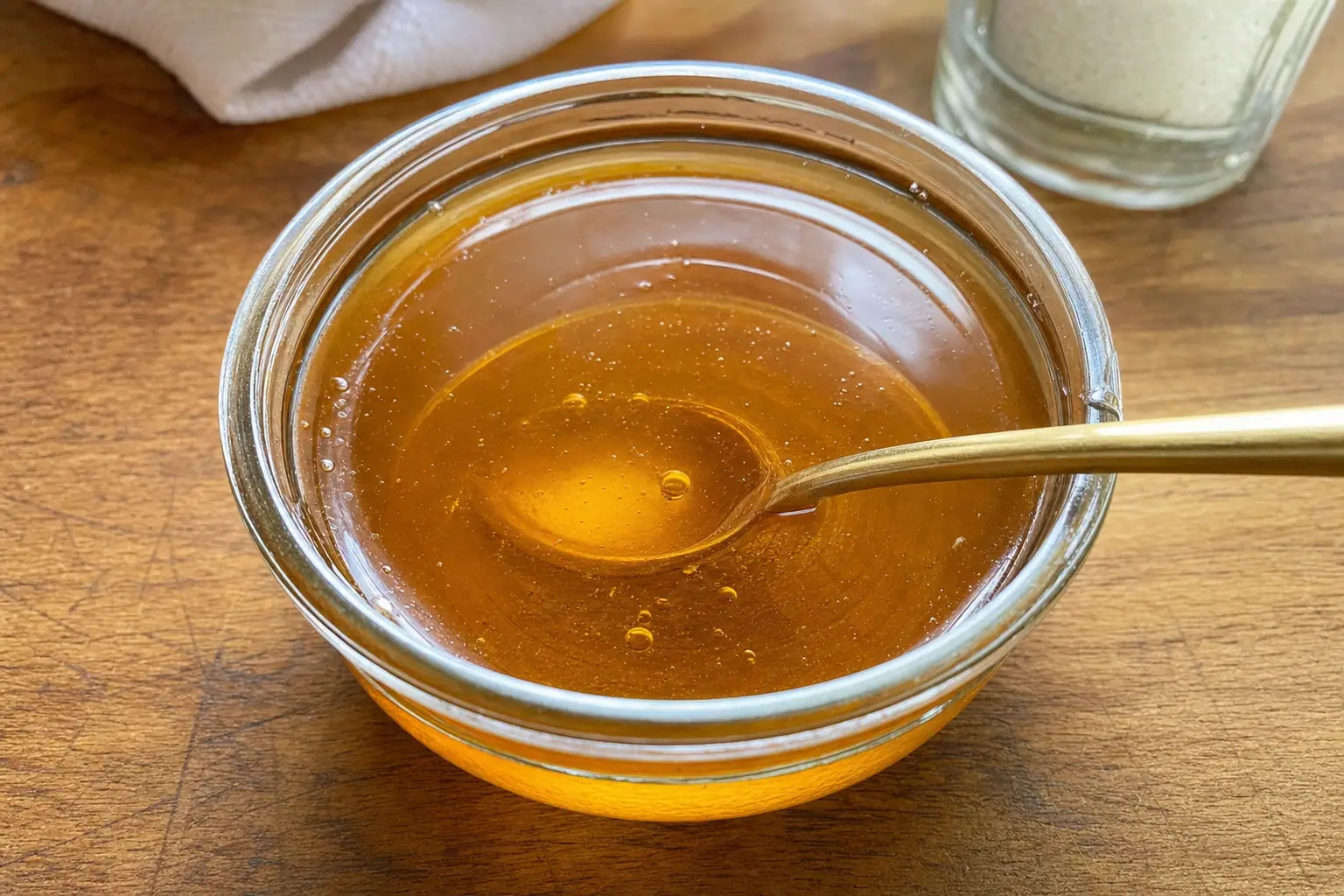
Simple Syrup
Simple syrup is the small kitchen staple that makes cold drinks taste smooth and balanced. Make a jar in about 10 minutes, then use it for iced coffee, lemonade, cocktails, mocktails, and fruit desserts.
 Drinks
Brazilian Lemonade
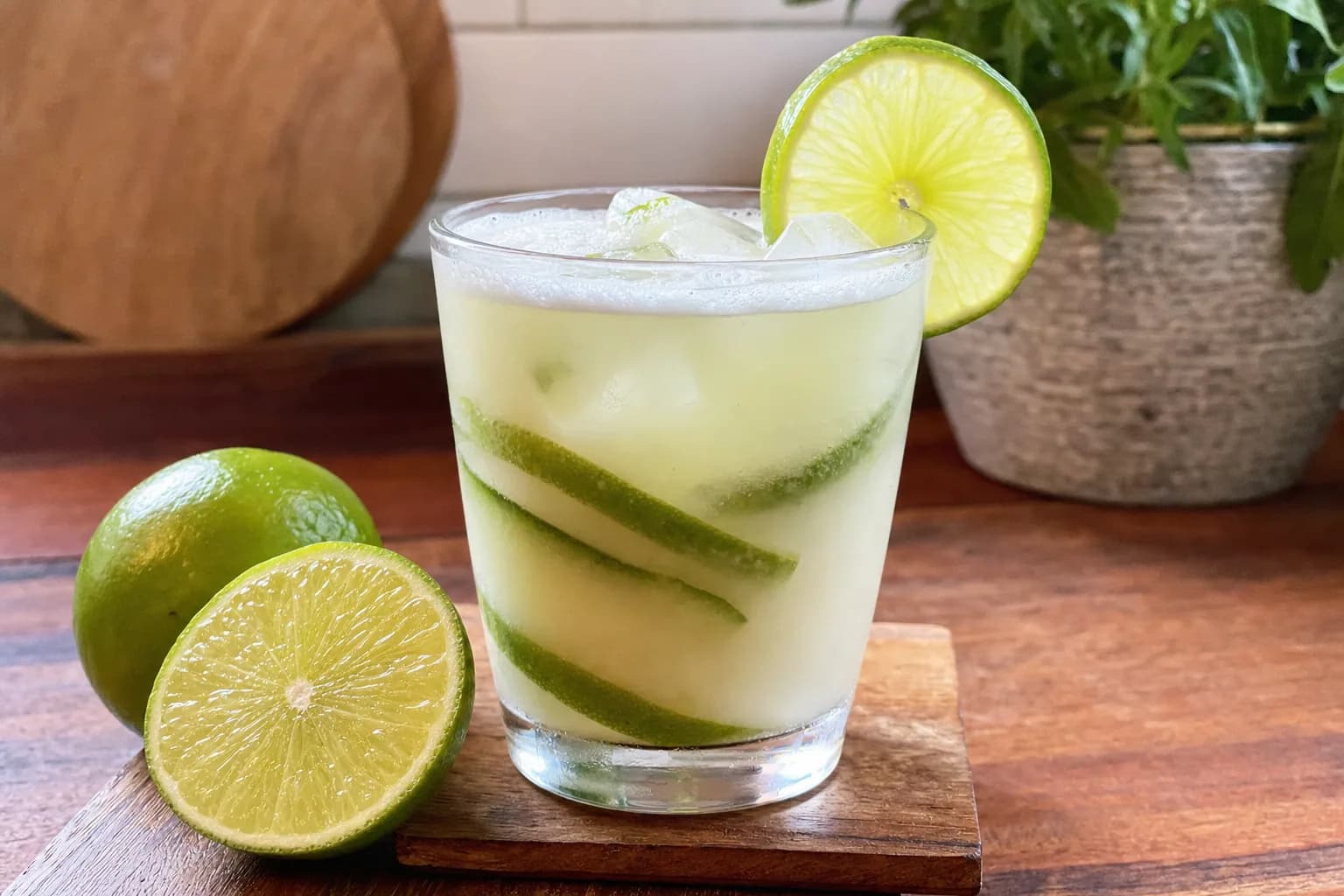
Creamy, tangy, and ice-cold, Brazilian lemonade is made with fresh limes, water, sugar, and sweetened condensed milk. It comes together fast in a blender and is especially good on a hot day.