
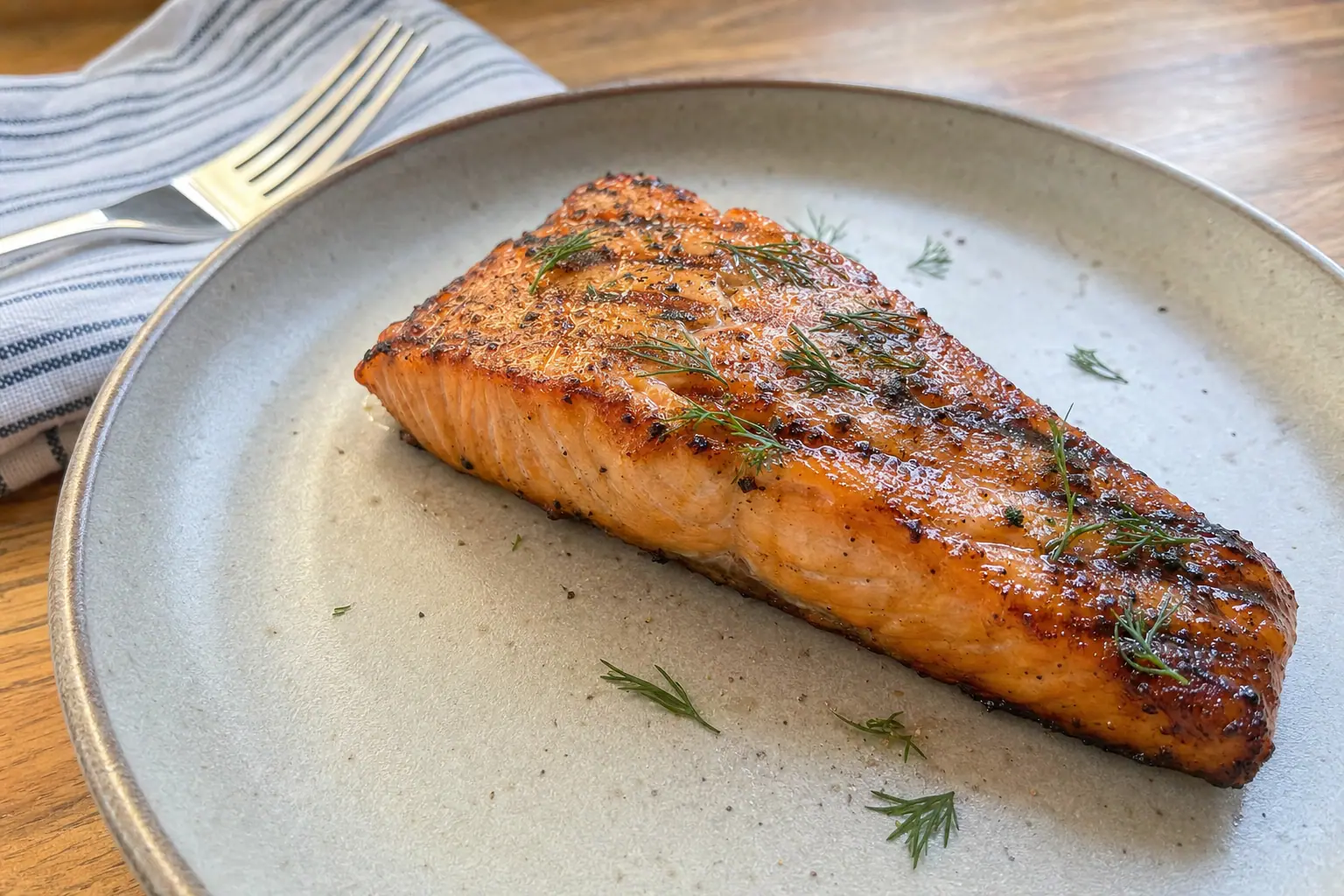
Grilled Salmon with Lemon and Herbs
This simple grilled salmon is smoky at the edges, tender in the middle, and bright with lemon, garlic, and fresh herbs. It is a reliable dinner for weeknights, cookouts, or any night you want something fresh without much
Total
25 min
Servings
4 servings
Level
Easy
Grilled salmon is one of the quickest dinners you can make once you know a few basics. The fish cooks fast, so the main goal is to keep it from sticking and to take it off the grill before it dries out.
This recipe uses a simple lemon-garlic oil that works like a quick marinade and a finishing sauce. You only need about 15 minutes of prep, and the salmon does not need to sit for long.
Serve it with rice, potatoes, salad, grilled vegetables, or tucked into bowls with yogurt sauce. Skin-on fillets are easiest to grill because the skin helps hold the fish together.
01What you'll need
Ingredients
11 items · 4 servings
- 4 skin-on salmon fillets, about 6 ounces each
- 2 tablespoons olive oil, plus more for the grill grates
- 1 tablespoon fresh lemon juice
- 1 teaspoon finely grated lemon zest
- 1 garlic clove, finely grated or minced
- 1 teaspoon Dijon mustard
- 1 teaspoon honey or maple syrup
- 1 teaspoon kosher salt
- 1/2 teaspoon black pepper
- 1 tablespoon chopped fresh dill, parsley, or chives
- Lemon wedges, for serving
02How to make it
Step-by-step
1. Heat the grill
Preheat a gas or charcoal grill to medium-high heat, about 400°F to 450°F. Let the grates get hot for at least 10 minutes. Hot grates help the salmon release more easily instead of sticking.
2. Mix the lemon herb oil
In a small bowl, stir together the olive oil, lemon juice, lemon zest, garlic, Dijon mustard, honey, salt, pepper, and chopped herbs. This mixture seasons the fish and helps it brown on the grill.
3. Pat the salmon dry
Use paper towels to dry the salmon well on all sides. Dry fish sears better and is less likely to stick. Check for pin bones by running your fingers over the flesh, then pull any out with clean tweezers.
4. Season the fillets
Brush the lemon herb oil over the flesh side of the salmon. Let the fish sit at room temperature for 10 minutes while the grill finishes heating. Do not leave raw fish out for more than 30 minutes.
5. Oil the grill grates
Fold a paper towel, dip it lightly in oil, and use long tongs to rub it over the hot grates. Be careful, as the oil may smoke. This step gives the salmon a better chance of lifting cleanly.
6. Grill skin-side down
Place the salmon on the grill skin-side down. Close the lid and cook for 5 to 7 minutes, depending on thickness. Try not to move the fish during this time. The skin protects the flesh and helps the fillets hold together.
7. Flip gently
Slide a thin fish spatula under each fillet. If it releases easily, flip it. If it sticks, give it another 30 to 60 seconds. Cook the second side for 2 to 4 minutes, just until the salmon is cooked to your liking.
8. Check for doneness
Salmon is done when it flakes with gentle pressure and the center is still moist. For a thermometer reading, aim for 125°F to 130°F for medium or 145°F for fully cooked, which is the USDA food safety recommendation.
9. Rest and serve
Transfer the salmon to a plate and rest it for 3 minutes. Squeeze lemon wedges over the top and serve warm. The fish will continue to cook slightly as it rests.
03From our kitchen
Cook's tips
- Make-ahead: Mix the lemon herb oil up to 2 days ahead and keep it covered in the refrigerator. Stir before using. For the best texture, season the salmon shortly before grilling rather than marinating it for hours.
- Storage: Refrigerate leftover grilled salmon in an airtight container for up to 3 days. Eat it cold in salads or reheat gently in a low oven. Microwaving can make salmon smell stronger and dry out quickly.
- Freezing: Cooked salmon can be frozen for up to 2 months, but the texture may be a little drier after thawing. Wrap it tightly and thaw overnight in the refrigerator.
- Swap the herbs: Dill tastes classic with salmon, but parsley, chives, basil, or cilantro all work. Use what you have.
- No skin-on salmon? You can use skinless fillets, but they are more delicate. Oil the grates well, use a fish basket if you have one, and flip only once.
- No grill? Cook the salmon in a hot grill pan or under the broiler. For broiling, place the fillets on a foil-lined pan and cook 4 to 6 inches from the heat until done.
Cook's note
Thickness matters more than exact time. A thin tail piece may cook in 6 minutes total, while a thick center-cut fillet may need closer to 10. When in doubt, check early.
04Frequently asked
Questions & answers
Should I grill salmon with the skin on or off?
Skin-on salmon is easier to grill. The skin helps protect the fish from direct heat and makes the fillet easier to move. You can eat the crisp skin or leave it behind on the plate.
How do I keep salmon from sticking to the grill?
Start with a clean, hot grill. Pat the fish dry, oil the grates, and let the salmon cook undisturbed before flipping. If it does not release, wait another minute instead of forcing it.
Do I need to marinate salmon before grilling?
No. Salmon has plenty of flavor on its own, and acidic marinades with lemon juice can make the surface mushy if left too long. A quick brush with seasoned oil is enough.
What temperature should grilled salmon be?
For a moist medium center, many cooks remove salmon at 125°F to 130°F. The USDA recommends 145°F for fully cooked fish. Use an instant-read thermometer in the thickest part for the most accurate check.
What should I serve with grilled salmon?
Good sides include grilled asparagus, corn, rice pilaf, roasted potatoes, cucumber salad, or a simple green salad. A spoonful of yogurt sauce or herb butter is also nice.
05Keep cooking
You might also like
 Dinner
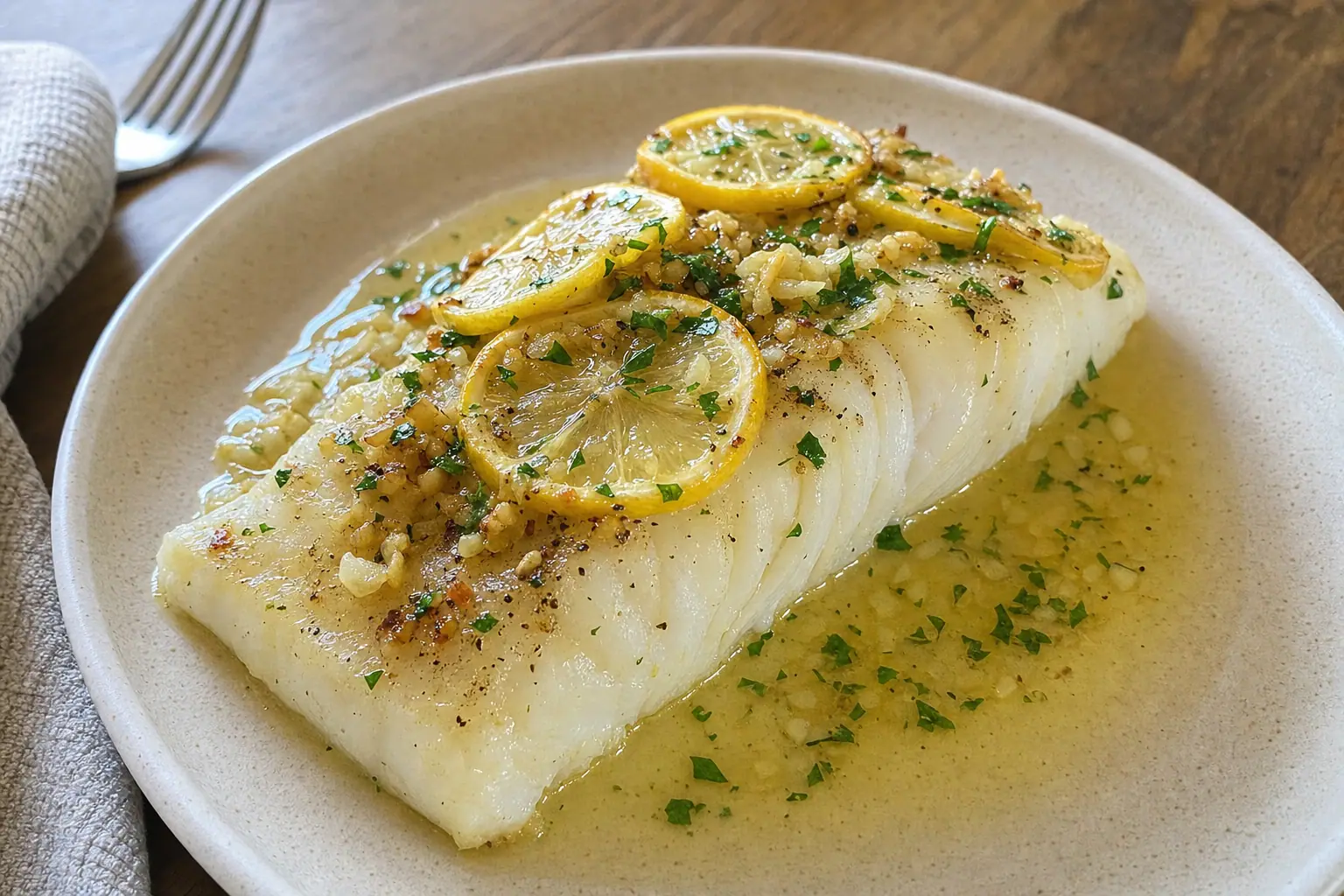
Simple Baked Cod with Lemon and Garlic
This easy baked cod is tender, flaky, and bright with lemon, garlic, and a little butter. It is a quick weeknight dinner that feels fresh without asking much of the cook.
 Dinner
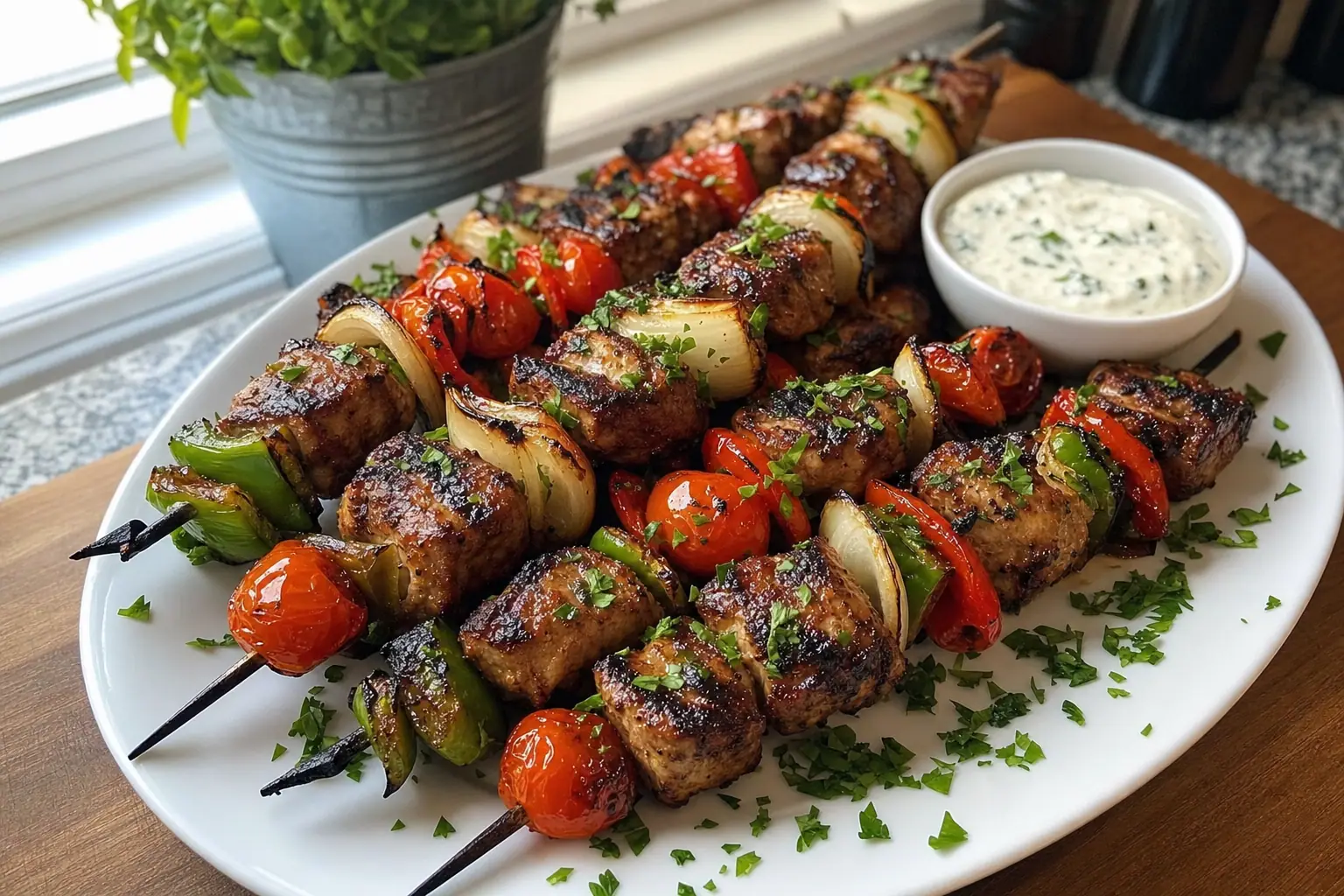
Grilled Chicken and Vegetable Kabobs
These colorful kabobs thread juicy marinated chicken with peppers, onions, and zucchini for an easy dinner on the grill. The same recipe also works under the broiler if you do not have outdoor cooking space.
 Dinner
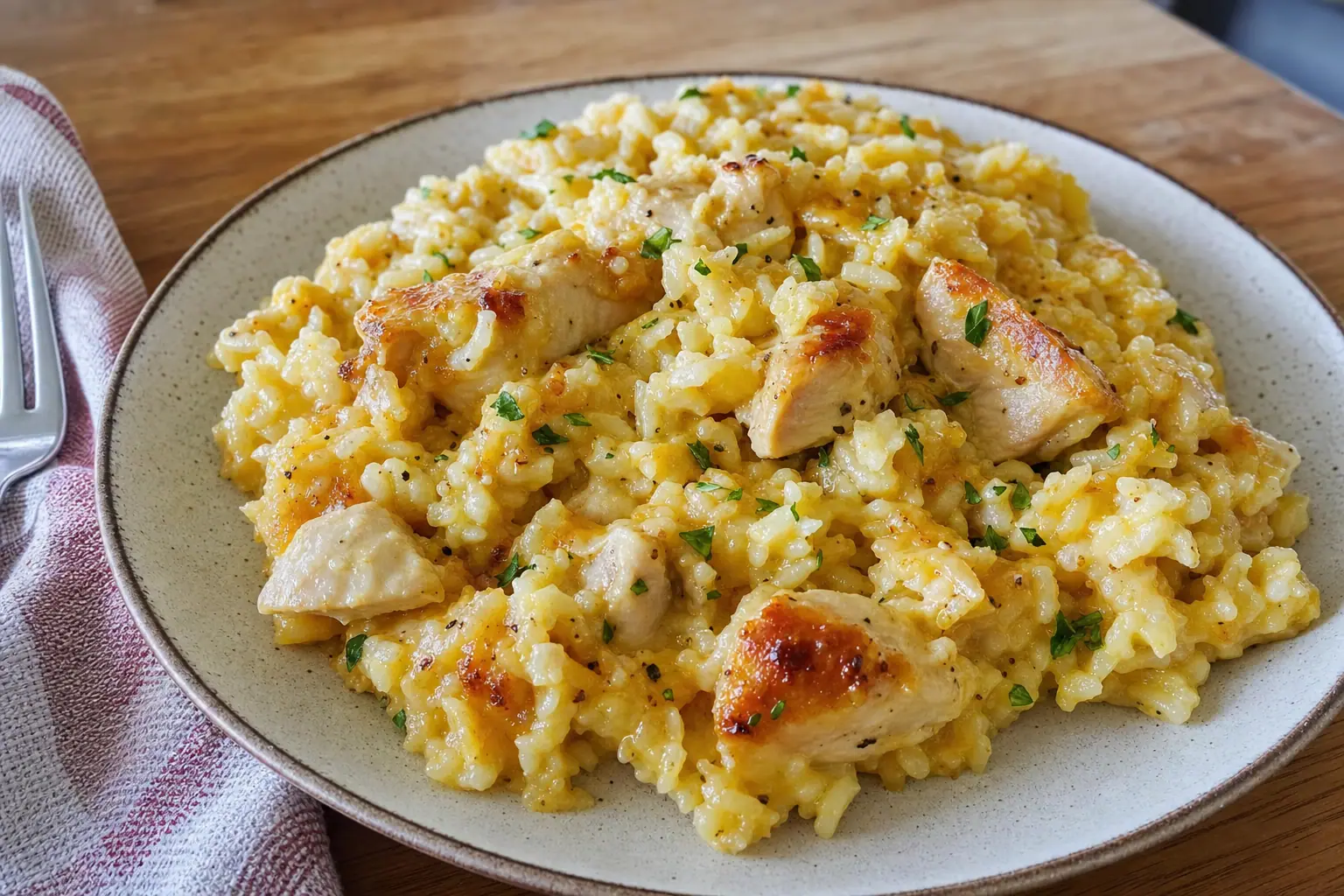
Chicken and Rice Casserole
This cozy chicken and rice casserole bakes in one dish with tender chicken, creamy rice, and a crisp, buttery topping. It is the kind of dinner that feels familiar, fills the table, and leaves you with very little to do.
 Dinner
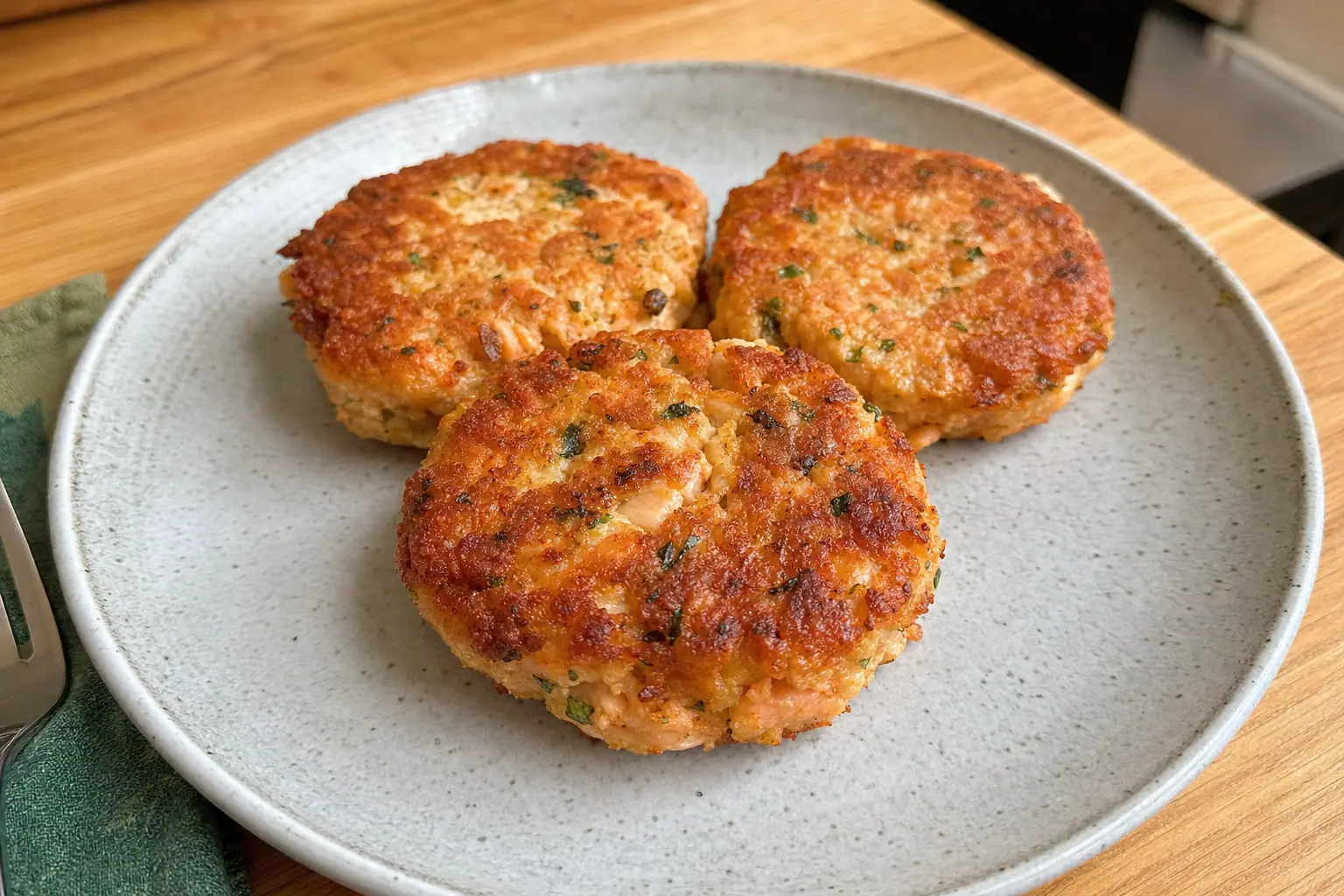
Salmon Patties
These crisp, tender salmon patties are made with canned salmon, pantry seasonings, and a quick skillet fry. Serve them with lemon, tartar sauce, or a simple salad for an easy weeknight meal.