
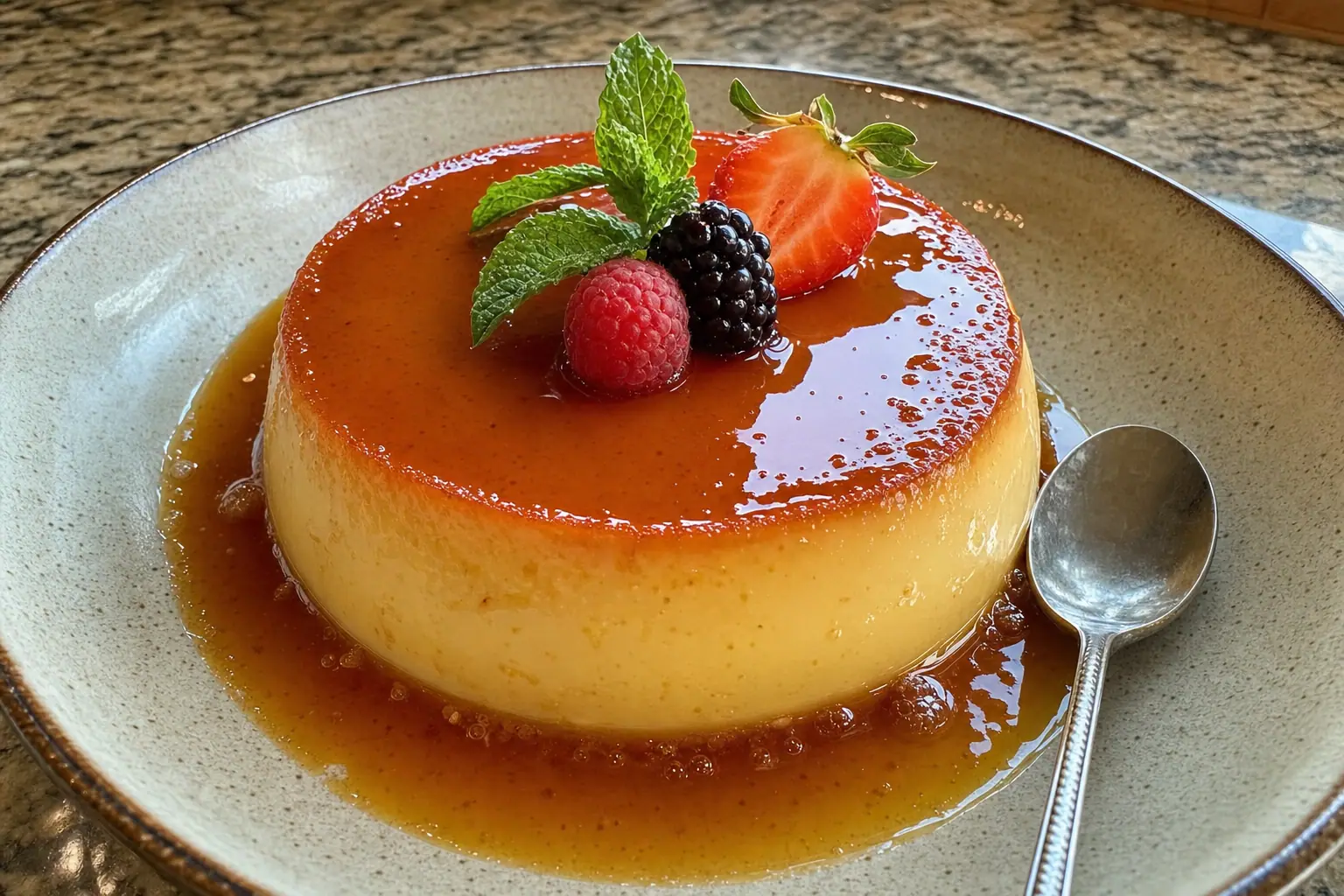
Mexican Flan
Silky, chilled Mexican flan is a classic custard dessert with a glossy caramel sauce that forms right in the pan. This version uses sweetened condensed milk and evaporated milk for a creamy texture and gentle sweetness.
Total
80 min
Servings
8 servings
Level
Medium
Mexican flan is a smooth baked custard with a layer of caramel on top. It is served cold, so it is a good dessert to make the day before a family meal, birthday, or holiday dinner.
The caramel goes into the pan first, then the milk-and-egg custard is poured over it. As the flan chills, the caramel loosens into a sauce that runs over the custard when you turn it out.
The only tricky part is cooking the caramel and baking the custard gently in a water bath. A water bath simply means setting the flan pan inside a larger pan filled with hot water, which helps the custard bake evenly without curdling.
01What you'll need
Ingredients
8 items · 8 servings
- 1 cup granulated sugar
- 2 tablespoons water
- 1 can (14 ounces) sweetened condensed milk
- 1 can (12 ounces) evaporated milk
- 5 large eggs, at room temperature if possible
- 1 tablespoon pure vanilla extract
- 1/4 teaspoon fine salt
- Hot water, for the water bath
02How to make it
Step-by-step
1. Heat the oven
Set a rack in the center of the oven and heat to 325°F. Place an 8- or 9-inch round cake pan nearby. You will also need a larger roasting pan or baking dish that can hold the cake pan.
2. Make the caramel
Put the sugar and 2 tablespoons water in a small heavy saucepan. Cook over medium heat, gently swirling the pan now and then, until the sugar melts and turns a deep golden amber, 8 to 12 minutes. Do not stir with a spoon once it starts boiling, because that can make the sugar crystallize.
3. Coat the pan
Carefully pour the hot caramel into the round cake pan. Tilt the pan to cover the bottom evenly. The caramel is extremely hot, so use oven mitts and keep your hands away from the steam. Set the pan aside while you make the custard.
4. Blend the custard
In a blender, combine the sweetened condensed milk, evaporated milk, eggs, vanilla, and salt. Blend on low speed for 20 to 30 seconds, just until smooth. Avoid over-blending, which can add too much air and make bubbles in the flan.
5. Strain and pour
Pour the custard through a fine-mesh strainer into the caramel-coated pan. Straining catches any bits of egg and helps the finished flan taste extra smooth.
6. Set up the water bath
Place the filled cake pan inside the larger roasting pan. Transfer it to the oven rack, then carefully pour hot water into the roasting pan until it reaches about halfway up the sides of the flan pan. Take care not to splash water into the custard.
7. Bake until just set
Bake for 50 to 65 minutes, until the edges are set and the center still has a gentle wobble when you nudge the pan. If you use a thermometer, the center should read about 170°F to 175°F. Do not bake until firm all the way through, or the flan may turn grainy.
8. Cool and chill
Carefully lift the flan pan out of the water bath and set it on a rack. Let it cool for 1 hour at room temperature. Cover and refrigerate for at least 4 hours, or preferably overnight, until fully cold.
9. Unmold and serve
Run a thin knife around the edge of the flan. Set a rimmed serving plate over the pan, then flip both together in one steady motion. Lift off the pan and let the caramel sauce flow over the flan. Slice and serve cold.
03From our kitchen
Cook's tips
- Make it ahead: Flan is better after a long chill. Make it 1 day ahead for the cleanest slices and a fully set texture.
- Storage: Cover leftovers and refrigerate for up to 4 days. Keep the caramel sauce with the flan so it stays moist.
- Pan swap: An 8-inch pan makes a taller flan and may need a few extra minutes. A 9-inch pan makes a slightly thinner flan and may bake a little faster.
- No blender: Whisk the custard by hand until smooth, then strain it twice to remove egg bits and reduce bubbles.
- Flavor swap: Add 1/2 teaspoon ground cinnamon or 1 teaspoon orange zest to the custard for a gentle variation.
- Caramel help: If the caramel hardens in the cake pan, that is normal. It will soften into sauce while the flan chills.
Cook's note
Caramel can burn quickly once it turns golden. Pull it from the heat when it is deep amber, not dark brown. If it smells bitter or smoky, it is better to start over with fresh sugar.
04Frequently asked
Questions & answers
Why does my flan have bubbles or holes?
Bubbles usually come from blending too long or baking too hot. Blend the custard briefly, strain it, and bake the flan gently in a water bath at 325°F.
How do I know when Mexican flan is done?
The edges should look set, but the center should still jiggle softly. It will continue to firm up as it cools and chills. If the center looks liquid and sloshes, bake it longer.
Can I make flan without evaporated milk?
Yes. You can use whole milk or half-and-half in the same amount, but the texture will be a little lighter. Evaporated milk gives classic flan a creamy body.
Can I use individual ramekins instead of one pan?
Yes. Divide the caramel and custard among 6 to 8 ramekins and bake them in a water bath. Start checking around 30 minutes because small flans bake faster.
Why did my flan stick to the pan?
It may not have chilled long enough, or the edge may still be attached. Chill until fully cold, run a thin knife around the sides, and flip onto a rimmed plate to catch the caramel.
05Keep cooking
You might also like
 Desserts
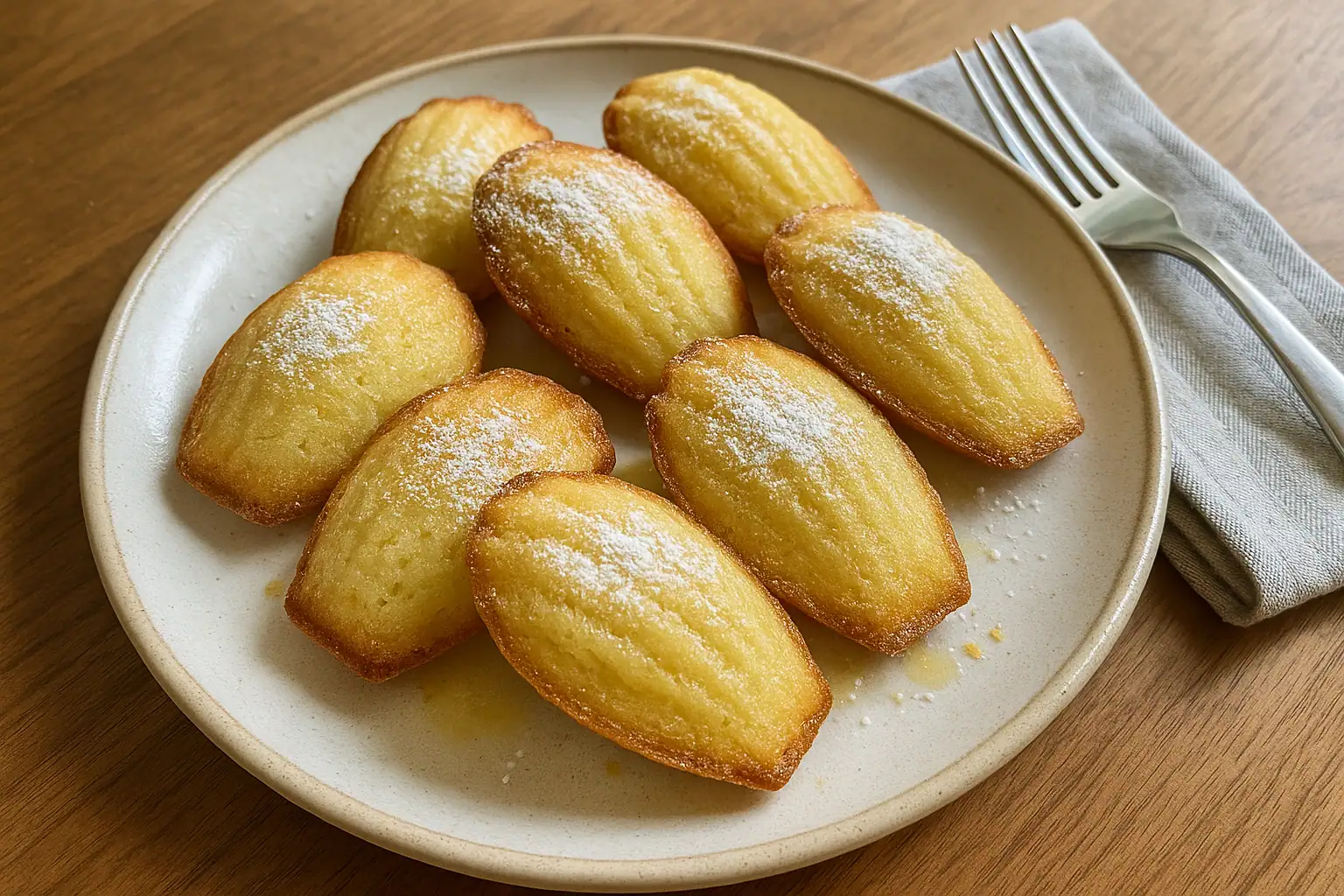
Classic French Madeleines
Discover the simple elegance of these buttery French tea cakes.
 Desserts
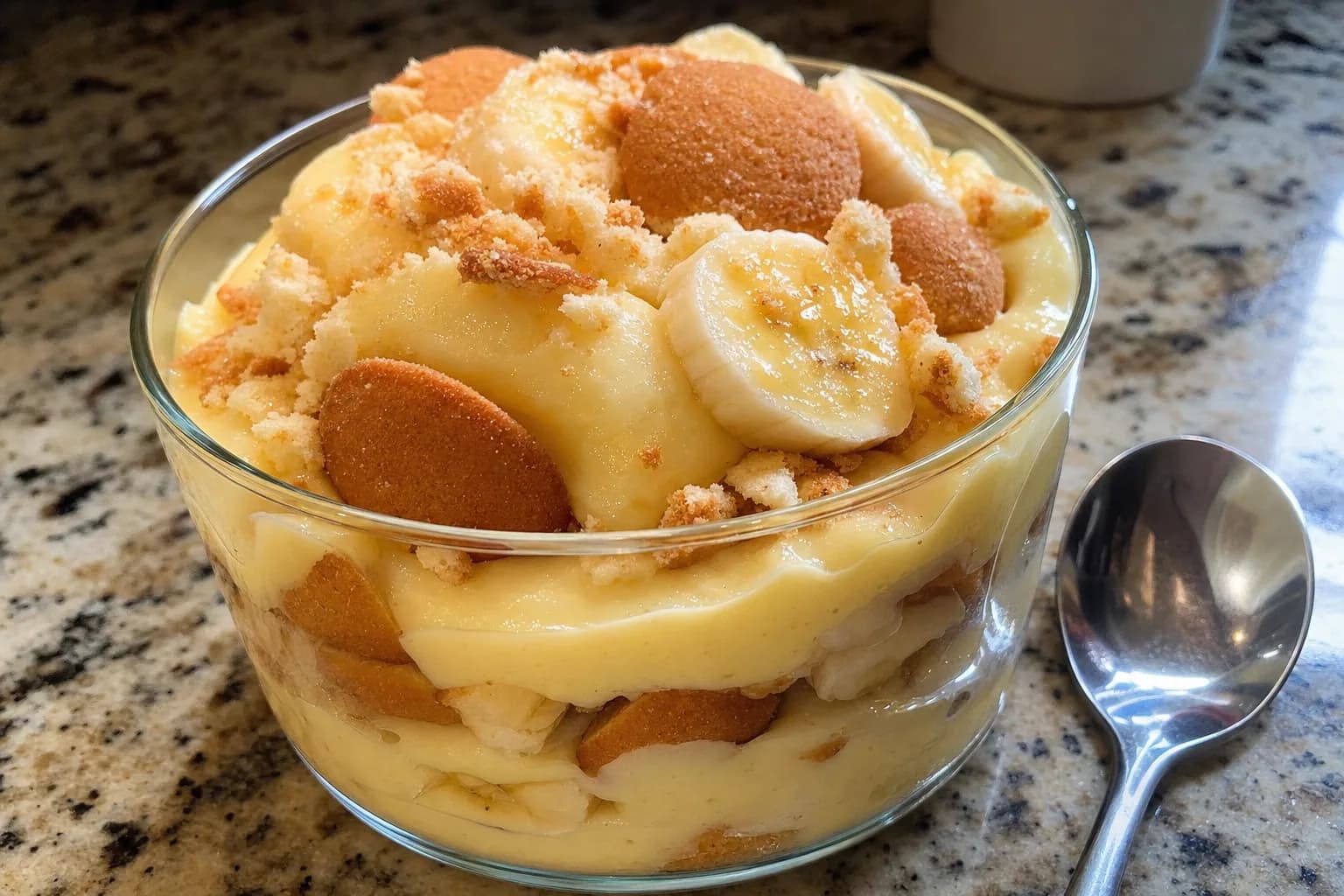
Banana Pudding
This classic banana pudding layers silky vanilla custard, ripe bananas, vanilla wafers, and softly whipped cream. It needs time to chill, but the hands-on work is simple and satisfying.
 Desserts
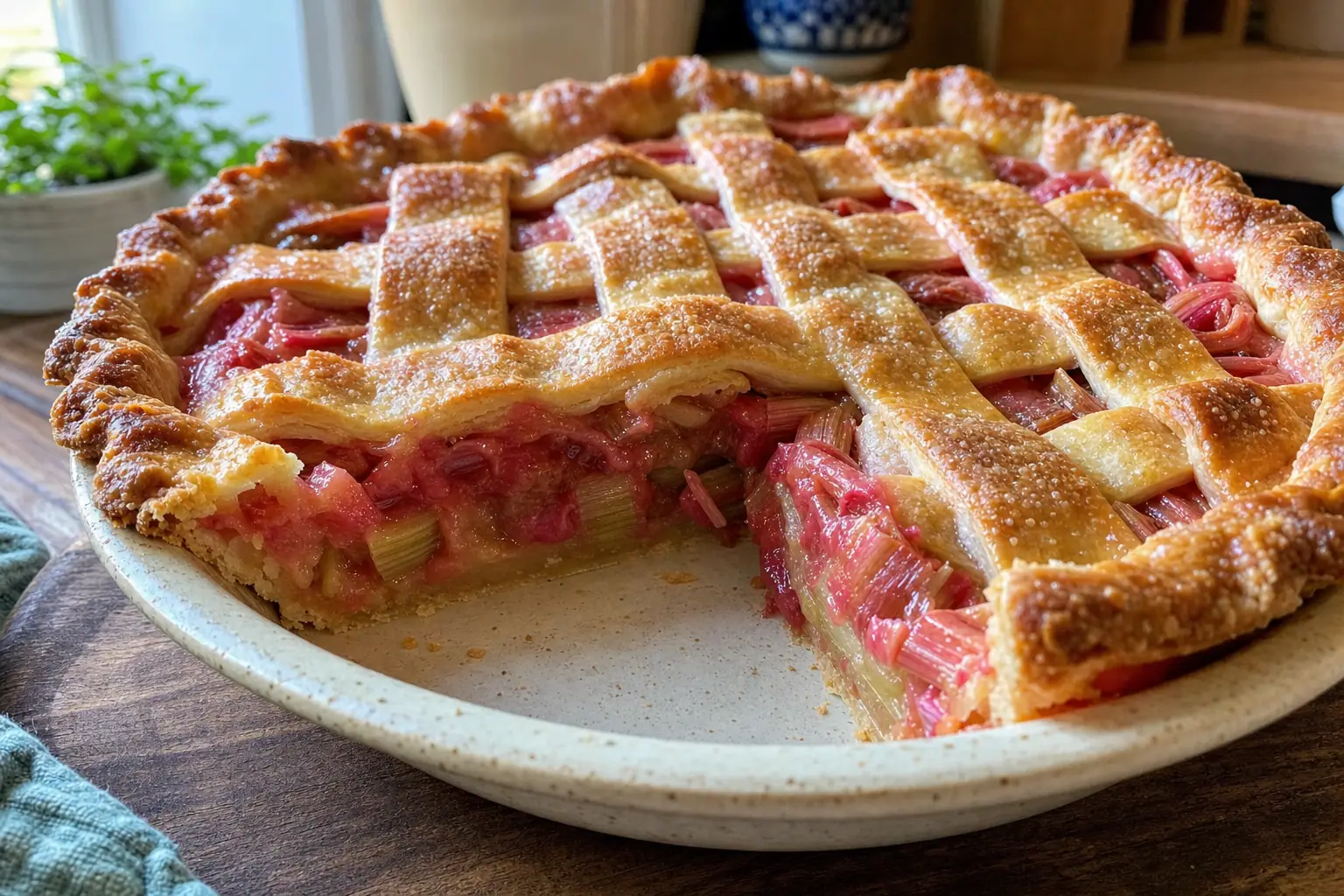
Classic Rhubarb Pie
This double-crust rhubarb pie is tart, bright, and just sweet enough. A little cornstarch helps the juicy filling set into clean slices once the pie has cooled.
 Desserts
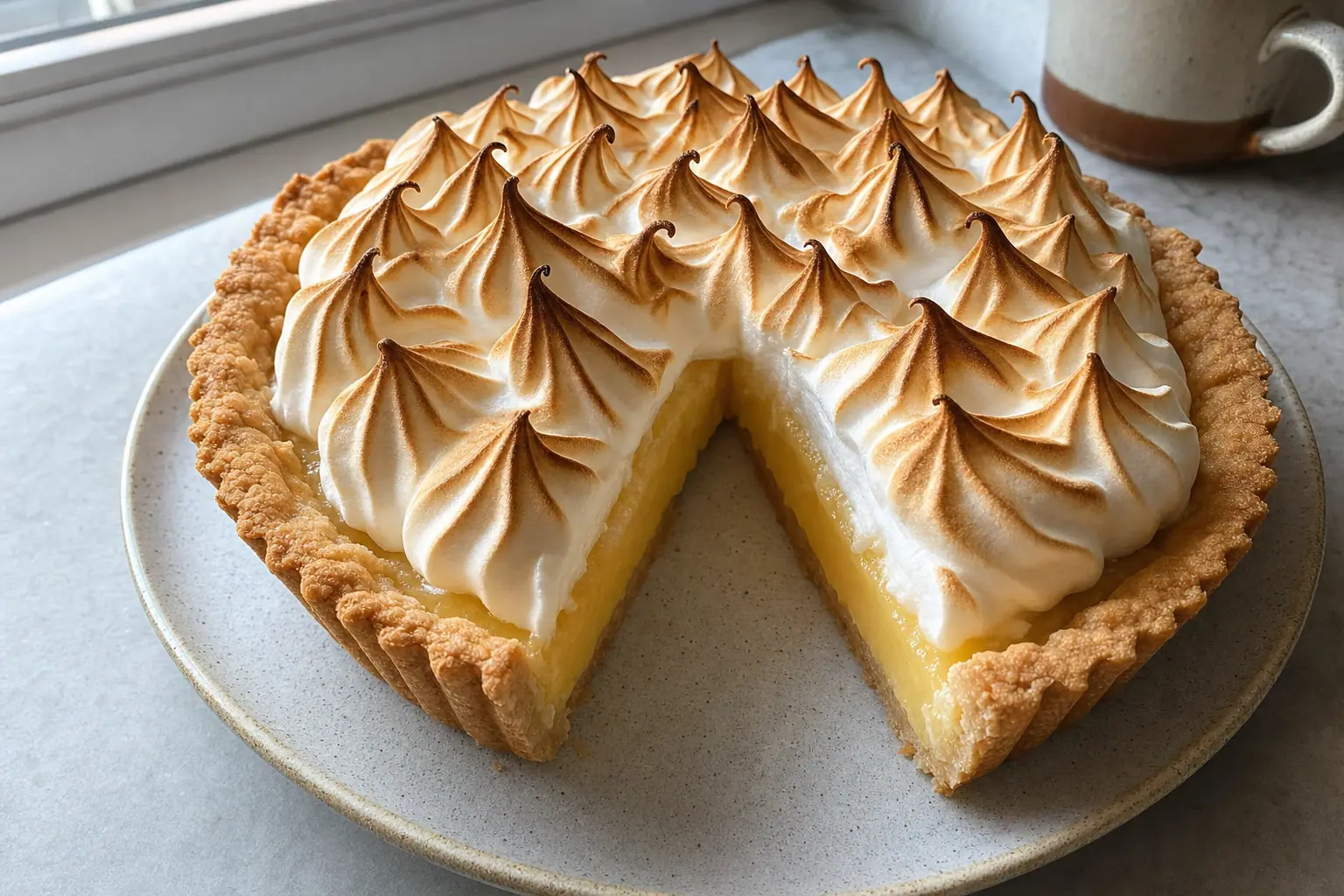
Lemon Meringue Pie
A sunny lemon pie with a crisp crust, smooth tart filling, and a tall cloud of toasted meringue. This version uses a cooked Swiss-style meringue, which is a little more stable and friendly for home kitchens.