
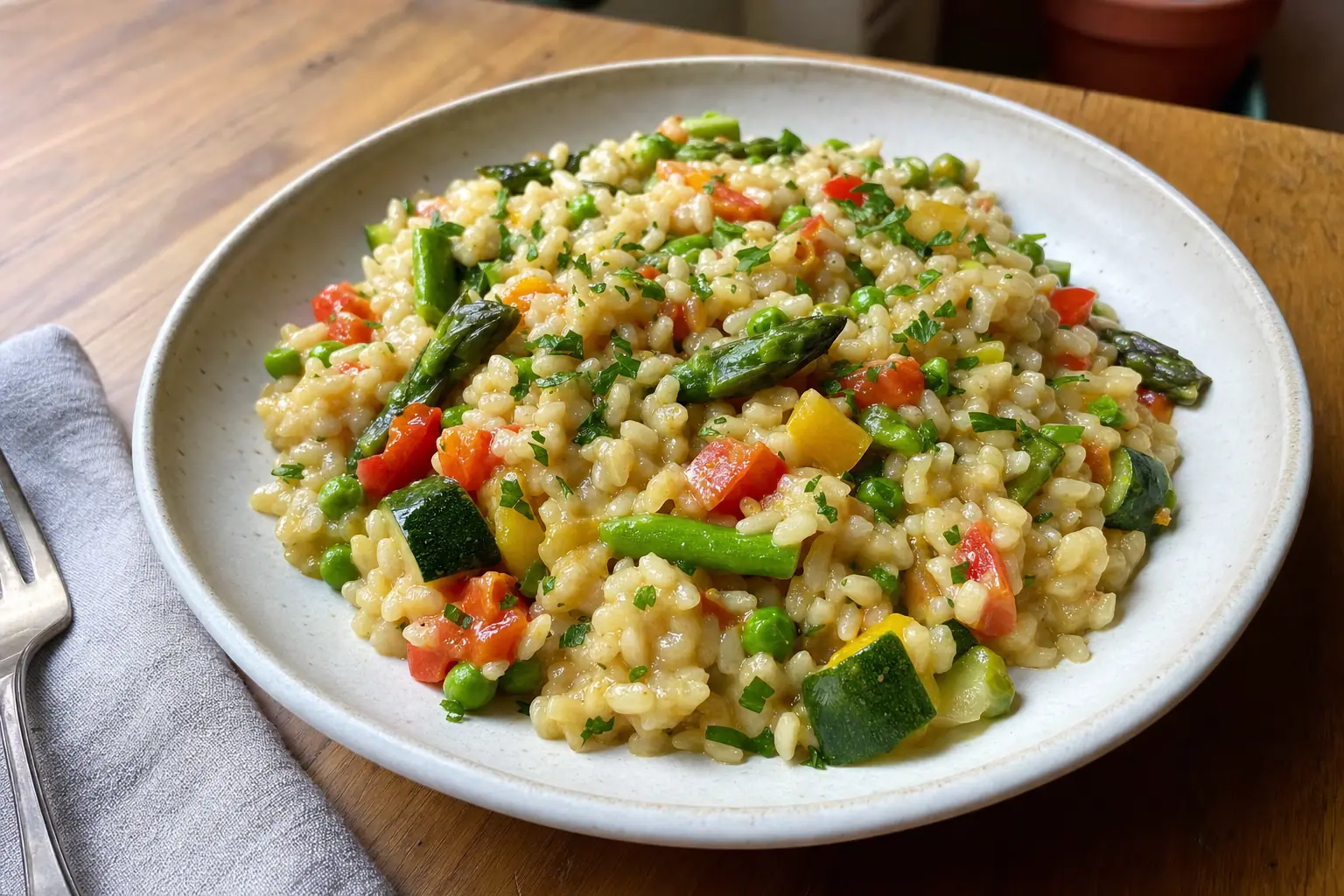
Risotto Primavera
Creamy risotto primavera turns spring vegetables, Arborio rice, Parmesan, and lemon into a bright, comforting dinner. It takes a little stirring, but the method is simple and very doable on a weeknight.
Total
50 min
Servings
4 servings
Level
Medium
Risotto primavera is a creamy Italian rice dish filled with tender green vegetables. “Primavera” means spring, but this recipe works well any time you have asparagus, peas, zucchini, or other quick-cooking vegetables on hand.
The key to risotto is adding warm stock a little at a time. As the rice cooks, it releases starch, which makes the dish creamy without needing cream.
This version finishes with Parmesan, butter, lemon zest, and fresh herbs. The result is rich but fresh, with enough vegetables to feel light and colorful.
01What you'll need
Ingredients
17 items · 4 servings
- 5 to 6 cups low-sodium vegetable stock or chicken stock
- 2 tablespoons olive oil, divided
- 1 small yellow onion, finely chopped
- 1 medium carrot, finely diced
- 1 small zucchini, diced
- 1 cup asparagus, trimmed and cut into 1-inch pieces
- 2 cloves garlic, minced
- 1 1/2 cups Arborio rice
- 1/2 cup dry white wine, or extra stock
- 1 cup frozen peas, no need to thaw
- 1/2 teaspoon kosher salt, plus more to taste
- 1/4 teaspoon freshly ground black pepper
- 2 tablespoons unsalted butter
- 3/4 cup finely grated Parmesan cheese, plus more for serving
- 1 teaspoon finely grated lemon zest
- 1 tablespoon fresh lemon juice, plus more to taste
- 2 tablespoons chopped fresh basil or parsley
02How to make it
Step-by-step
1. Warm the stock
Pour the stock into a medium saucepan and bring it to a gentle simmer over low heat. Keep it warm while you cook. Warm stock helps the rice cook evenly and keeps the risotto from cooling down each time you add liquid.
2. Soften the vegetables
Heat 1 tablespoon olive oil in a wide, heavy pan or Dutch oven over medium heat. Add the onion and carrot. Cook for 4 to 5 minutes, stirring often, until the onion looks soft and the carrot begins to soften.
3. Cook the quick vegetables
Add the zucchini and asparagus. Cook for 3 to 4 minutes, until they are bright and just tender. Scoop the vegetables into a bowl and set them aside. They will finish warming in the risotto later, so do not overcook them now.
4. Toast the rice
Add the remaining 1 tablespoon olive oil to the same pan. Stir in the garlic and cook for 30 seconds. Add the Arborio rice and stir for 1 to 2 minutes, until the grains look glossy around the edges. Toasting the rice helps it hold its shape as it cooks.
5. Add the wine
Pour in the white wine, if using. Stir until the pan is almost dry and the wine has mostly cooked into the rice. If you are not using wine, use 1/2 cup warm stock instead.
6. Add stock a ladle at a time
Add about 1/2 cup warm stock to the rice and stir often until most of the liquid is absorbed. Repeat, adding stock 1/2 cup at a time, for 18 to 22 minutes. The risotto is ready for the next addition when your spoon leaves a brief trail through the rice.
7. Check the rice
Taste a few grains. The rice should be tender but still have a slight bite in the center, similar to al dente pasta. If it is still too firm, add more warm stock and cook a few minutes longer.
8. Stir in the vegetables and peas
Return the cooked vegetables to the pan. Add the frozen peas, salt, and black pepper. Stir for 2 to 3 minutes, until the peas are hot and the vegetables are evenly mixed through the rice.
9. Finish off the heat
Turn off the heat. Stir in the butter, Parmesan, lemon zest, lemon juice, and herbs. Add a splash of stock if the risotto looks too thick. Taste and adjust with more salt, pepper, or lemon juice.
10. Serve right away
Spoon the risotto into shallow bowls and top with extra Parmesan. Risotto is at its creamiest right after cooking, so serve it as soon as you can.
03From our kitchen
Cook's tips
- Make-ahead note: Risotto is best freshly cooked. If you want to prep ahead, chop the vegetables, grate the cheese, and warm the stock just before cooking.
- Storage: Refrigerate leftovers in an airtight container for up to 3 days. The rice will thicken as it sits.
- Reheating: Warm leftovers gently in a saucepan with a splash of stock or water. Stir often until creamy again. Avoid high heat, which can make the rice gummy.
- Vegetable swaps: Try green beans, baby spinach, leeks, sugar snap peas, or broccolini. Add delicate greens at the end so they do not overcook.
- No Arborio rice? Carnaroli or Vialone Nano are great risotto rices. Regular long-grain rice will not release the same starch, so the texture will be less creamy.
- No wine? Use extra stock and add a little more lemon juice at the end for brightness.
Cook's note
For a looser, restaurant-style risotto, add an extra splash of warm stock just before serving. It should move slowly when you tilt the bowl, not hold its shape like a scoop of rice.
04Frequently asked
Questions & answers
Do I have to stir risotto constantly?
No. You do not need to stir every second, but you should stir often. Stirring helps the rice release starch, which creates the creamy texture.
Can I make risotto primavera vegan?
Yes. Use vegetable stock, replace the butter with olive oil or a plant-based butter, and use a vegan Parmesan-style cheese or nutritional yeast to taste.
Why is my risotto still hard after 25 minutes?
The heat may be too low, or the rice may need more liquid. Keep adding warm stock, 1/2 cup at a time, and taste every few minutes until the rice is tender with a slight bite.
Can I use frozen vegetables?
Yes. Frozen peas work very well. Frozen asparagus or mixed vegetables can also be used, but add them near the end so they heat through without turning mushy.
What should I serve with risotto primavera?
Serve it with a simple green salad, roasted chicken, grilled fish, or crusty bread. It can be a main dish or a side.
05Keep cooking
You might also like
 Dinner
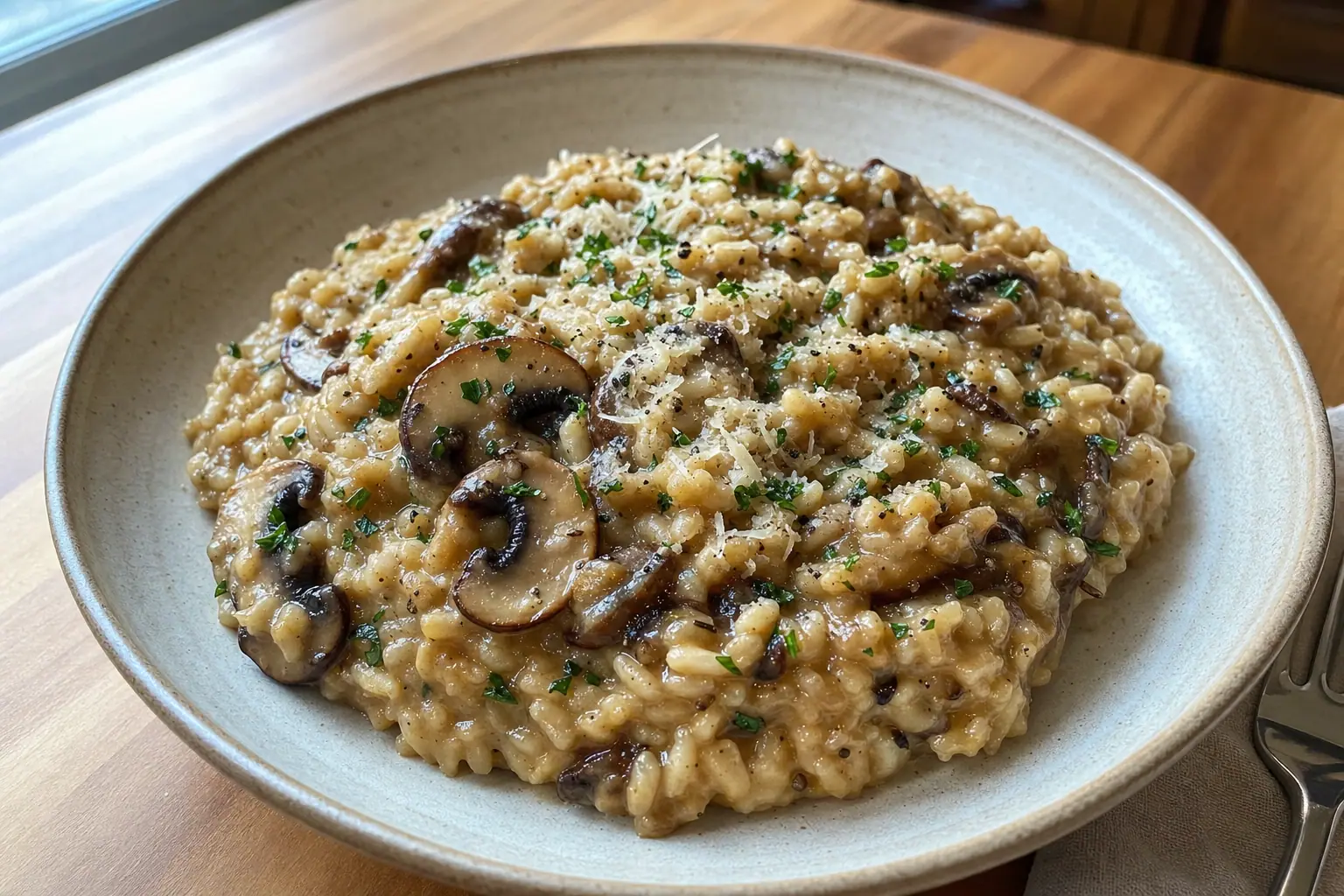
Mushroom Risotto
Creamy mushroom risotto is a calm, satisfying dinner made with Arborio rice, savory mushrooms, wine, stock, and Parmesan. The method asks for a little stirring, but it is simple once you get into the rhythm.
 Dinner
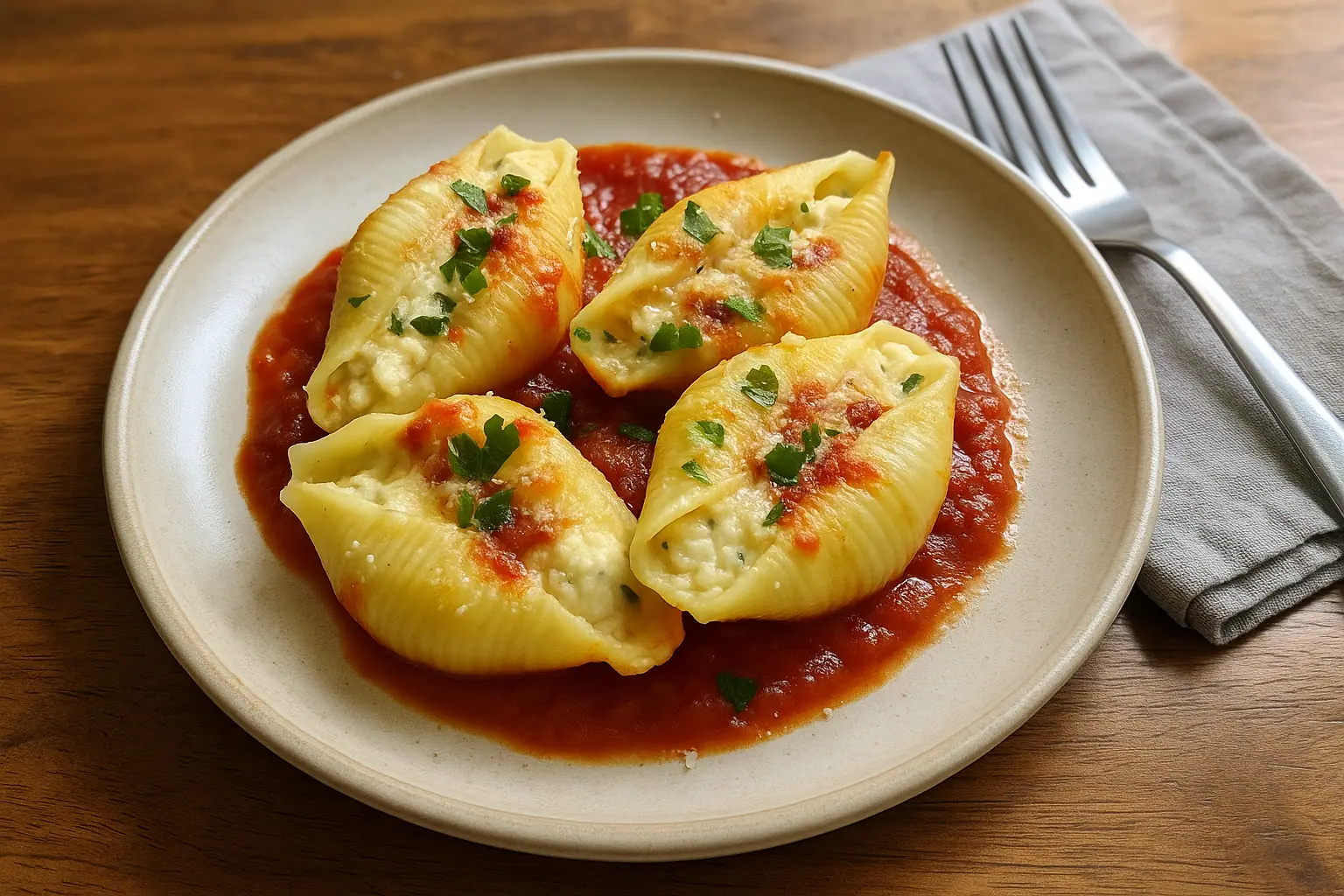
Classic Stuffed Shells
A comforting Italian classic that's perfect for family dinners or casual get-togethers.
 Dinner
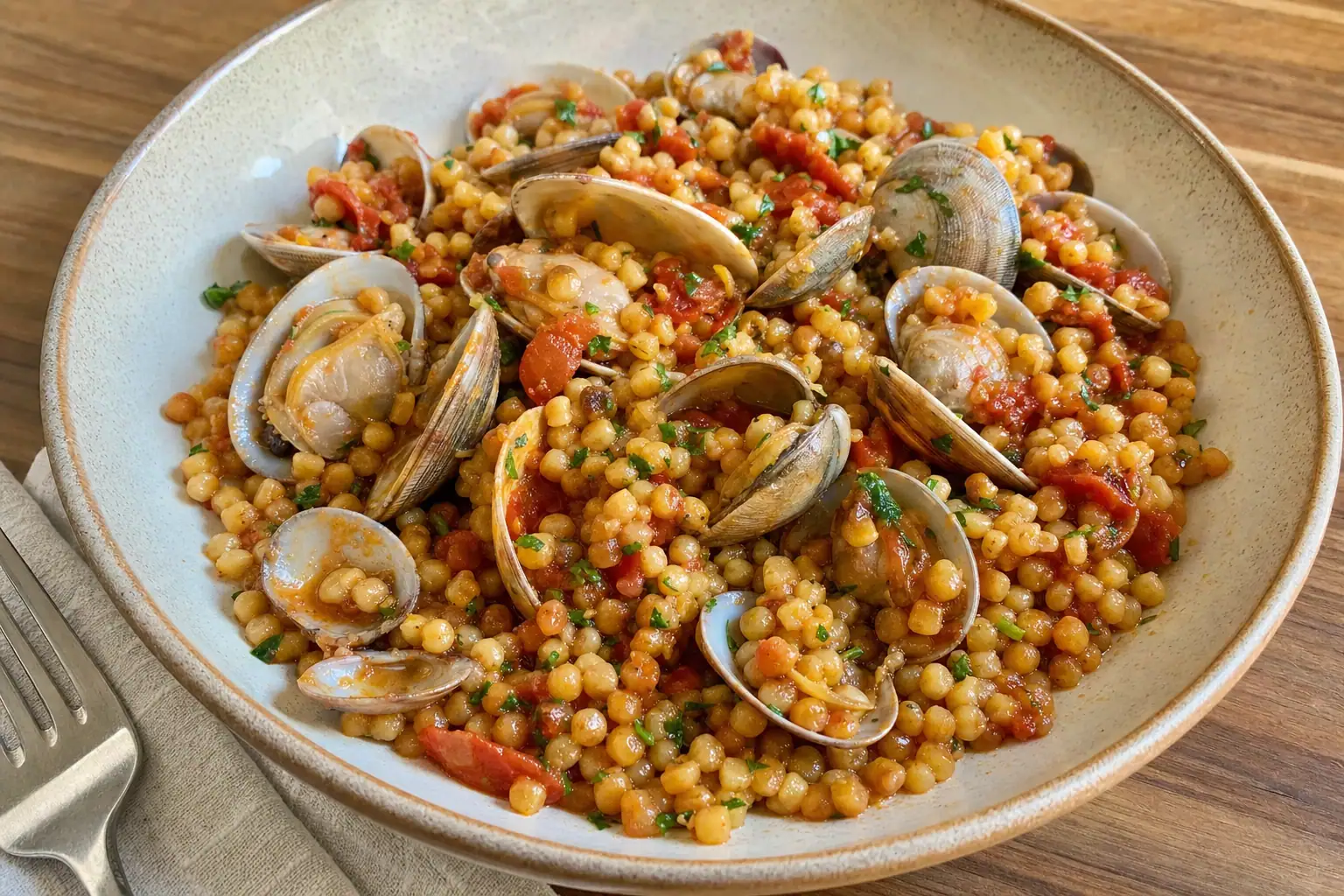
Fregola Sarda with Clams and Tomatoes
Fregola sarda is a small, toasted Sardinian pasta with a nutty flavor and a chewy bite. This one-pan version simmers it with tomatoes, white wine, and clams for a simple coastal dinner.
 Dinner
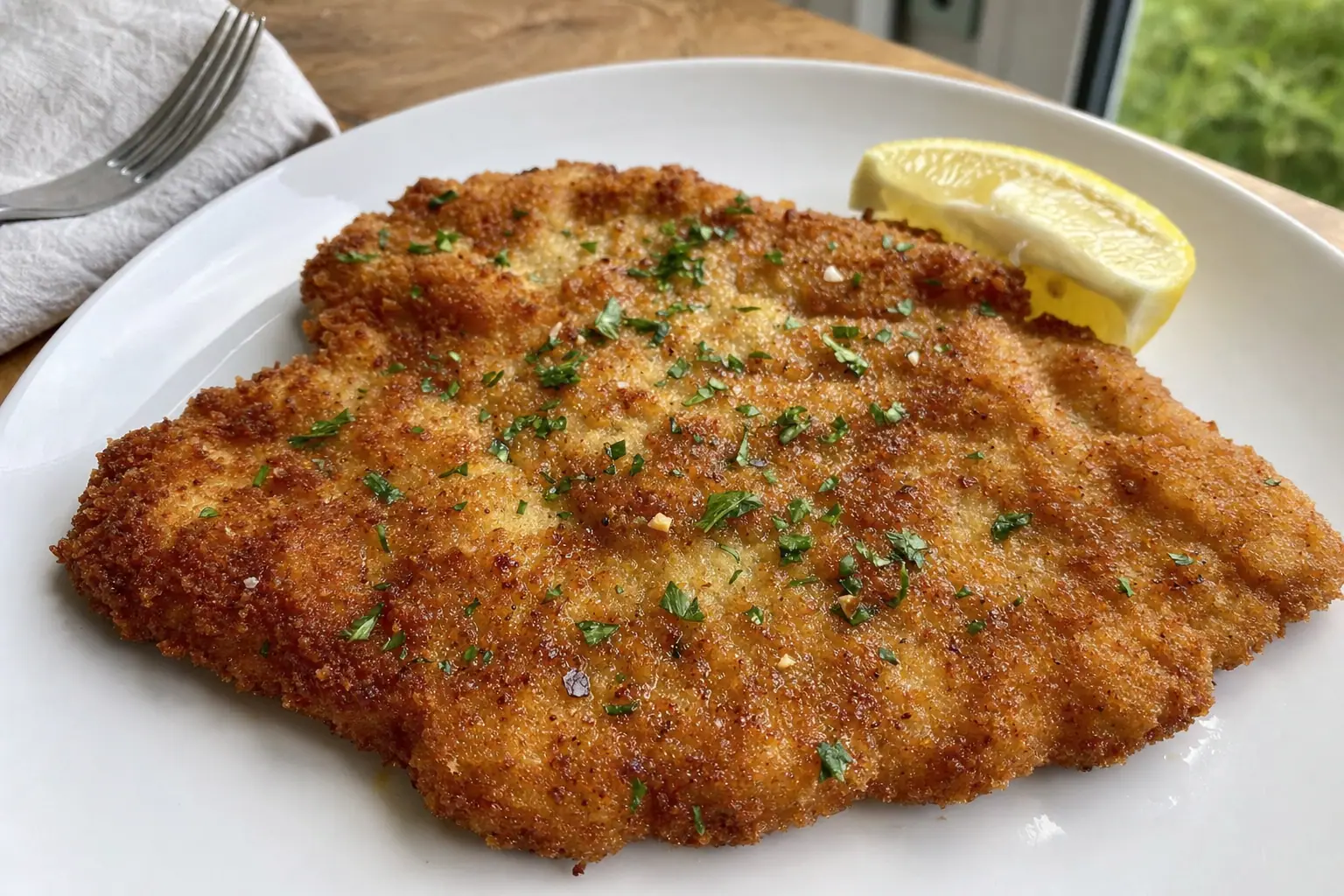
Chicken Milanese
Thin chicken cutlets are breaded, pan-fried until crisp, and served with lemon and a peppery arugula salad. It is a simple Italian-style dinner that feels bright, fresh, and very doable on a weeknight.