

Simple Brined Roast Chicken
A saltwater brine helps chicken stay juicy and well seasoned from the inside out. This easy method works for a whole chicken and gives you crisp skin when you dry it well before roasting.
Total
80 min
Servings
4 servings
Level
Easy
Brining chicken is a simple way to add flavor and moisture before it goes into the oven. The chicken soaks in a chilled saltwater mixture, then gets dried and roasted until the skin is golden.
This recipe uses a basic wet brine with salt, a little sugar, garlic, lemon, and herbs. The sugar does not make the chicken sweet. It helps round out the flavor and supports browning.
Plan ahead for the soak. The active work is short, but the chicken needs 8 to 12 hours in the refrigerator, plus a little time to dry before roasting.
01What you'll need
Ingredients
11 items · 4 servings
- 1 whole chicken, 3 1/2 to 4 pounds
- 8 cups cold water, divided
- 1/2 cup Diamond Crystal kosher salt, or 1/4 cup plus 2 tablespoons Morton kosher salt
- 2 tablespoons granulated sugar or light brown sugar
- 4 garlic cloves, smashed
- 1 lemon, sliced
- 4 sprigs fresh thyme or rosemary, or 1 teaspoon dried thyme
- 1 teaspoon black peppercorns, lightly crushed
- 1 tablespoon olive oil or softened unsalted butter
- 1/2 teaspoon freshly ground black pepper
- Optional: 1 small onion, quartered, for the roasting pan
02How to make it
Step-by-step
1. Make the brine base
In a medium saucepan, combine 2 cups of the water, the kosher salt, sugar, garlic, lemon slices, herbs, and peppercorns. Warm over medium heat, stirring until the salt and sugar dissolve. You do not need to boil it.
2. Cool the brine
Pour the warm brine into a large bowl or pot. Add the remaining 6 cups cold water. Let it cool completely. The brine must be cold before the chicken goes in, so add a few ice cubes if needed.
3. Submerge the chicken
Place the chicken in a large food-safe bag, deep bowl, or pot. Pour the cold brine over it. The chicken should be mostly covered. If it floats, weigh it down with a small plate.
4. Refrigerate the chicken
Cover and refrigerate for 8 to 12 hours. Do not brine at room temperature. For food safety, the chicken must stay cold the whole time.
5. Drain and dry
Remove the chicken from the brine and discard the brine. Pat the chicken very dry with paper towels, including the cavity. For crispier skin, set the chicken on a rack over a tray and refrigerate it uncovered for 1 to 2 hours.
6. Heat the oven
Heat the oven to 425°F. Place the chicken breast-side up in a roasting pan or oven-safe skillet. Add the onion to the pan if using.
7. Oil and season lightly
Rub the chicken skin with olive oil or softened butter. Sprinkle with black pepper. Skip extra salt on the outside, since the brine has already seasoned the meat.
8. Roast to 165°F
Roast for 50 to 65 minutes, depending on the size of the chicken. It is done when an instant-read thermometer inserted into the thickest part of the breast reads 165°F and the thigh reads about 175°F. Avoid touching the bone with the thermometer.
9. Rest and carve
Let the chicken rest for 10 to 15 minutes before carving. Resting lets the juices settle, so they do not run out as soon as you cut into the meat.
03From our kitchen
Cook's tips
- Make ahead: You can make the brine up to 3 days ahead and keep it covered in the refrigerator. Only add the raw chicken when you are ready to start the brining time.
- Do not over-brine: A whole chicken should not sit in this brine for more than 12 hours. Longer can make the texture too soft and the flavor too salty.
- For chicken pieces: Bone-in thighs, drumsticks, or breasts need 2 to 4 hours in the brine. Boneless chicken breasts need only 1 to 2 hours.
- Salt swap: If using fine table salt, use 1/4 cup. Different salts measure differently, so it is worth checking the type before you start.
- Crisp skin tip: Wet skin steams instead of browns. Pat the chicken dry very well, and if you have time, let it sit uncovered in the fridge before roasting.
- Storage: Refrigerate leftover cooked chicken in an airtight container for up to 4 days. Reheat gently, or use it cold in sandwiches, salads, or grain bowls.
Cook's note
This recipe is written for a whole 3 1/2- to 4-pound chicken. If your bird is much larger, allow more roasting time and check the internal temperature in more than one spot. Always discard used brine after it has touched raw chicken.
04Frequently asked
Questions & answers
Do I rinse chicken after brining?
No, you do not need to rinse it. Rinsing raw chicken can splash bacteria around the sink. Instead, drain it well and pat it very dry with paper towels.
Can I use this brine for boneless chicken breasts?
Yes, but shorten the brining time to 1 to 2 hours. Boneless breasts absorb salt faster than a whole chicken and can become too salty if left overnight.
Why did my chicken taste too salty?
It may have brined too long, or the salt type may have been different. Fine table salt is much saltier by volume than kosher salt. Use the amounts listed for your salt type and keep the brining time to 8 to 12 hours for a whole chicken.
Can I roast the chicken right after brining?
Yes. Dry it very well first. If you want crisper skin, let the dried chicken rest uncovered in the refrigerator for 1 to 2 hours before roasting.
Can I reuse the brine?
No. Once brine has touched raw chicken, it should be discarded. Do not reuse it for another chicken, sauce, or gravy.
05Keep cooking
You might also like
 Dinner
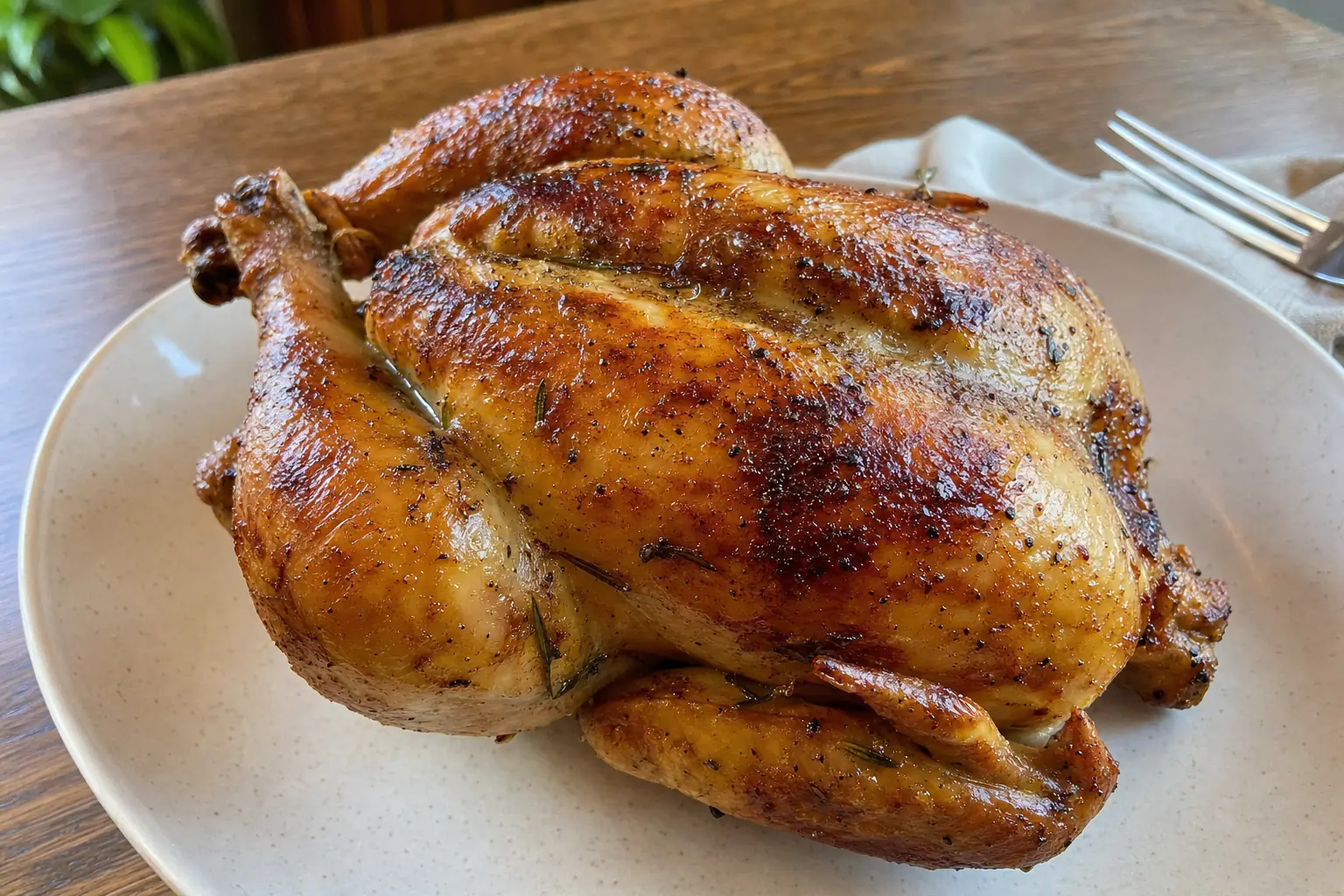
Simple Roasted Chicken
A golden roasted chicken is the kind of dinner that feels special without asking much from you. This version uses lemon, garlic, herbs, and a hot oven for crisp skin and juicy meat.
 Dinner
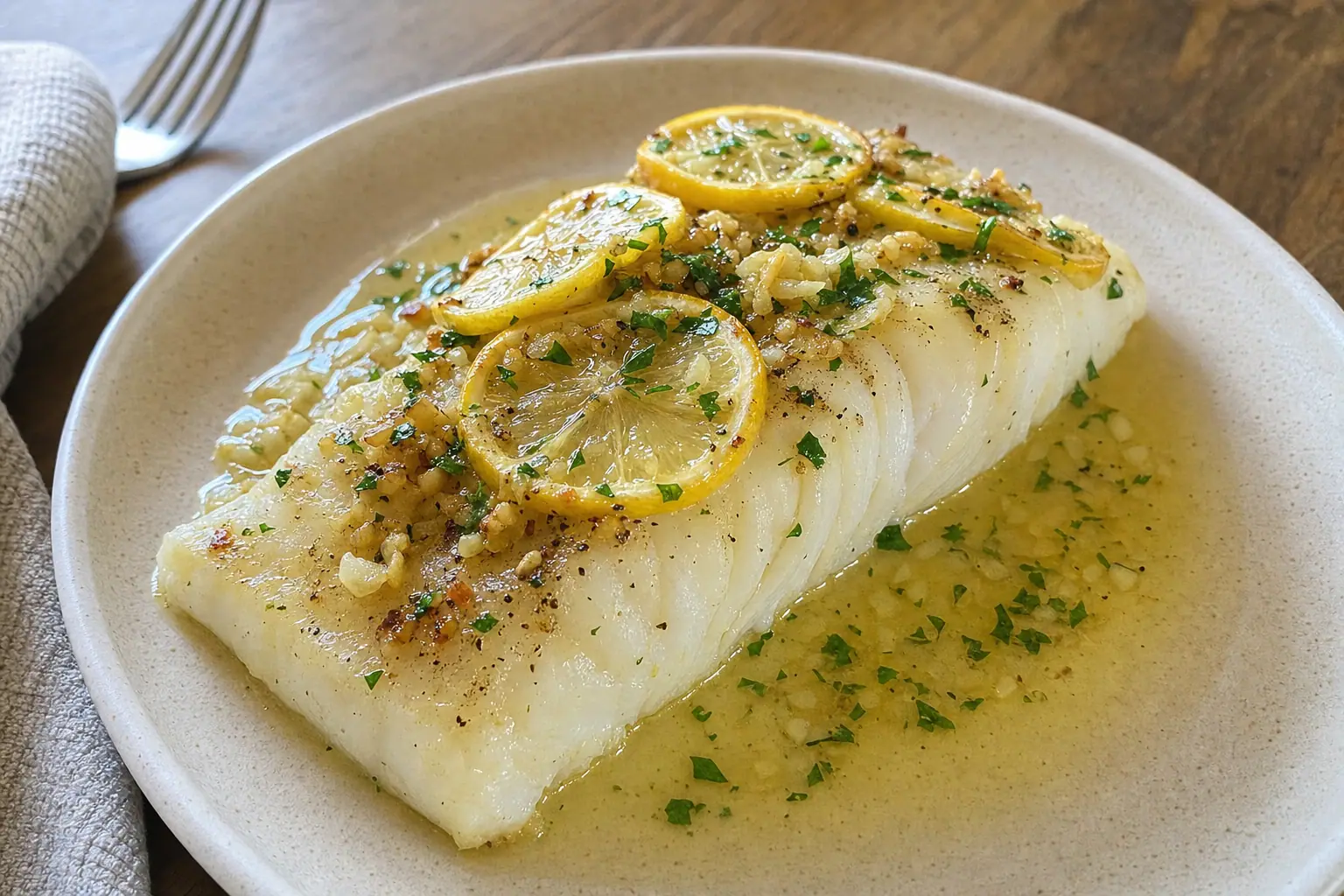
Simple Baked Cod with Lemon and Garlic
This easy baked cod is tender, flaky, and bright with lemon, garlic, and a little butter. It is a quick weeknight dinner that feels fresh without asking much of the cook.
 Dinner
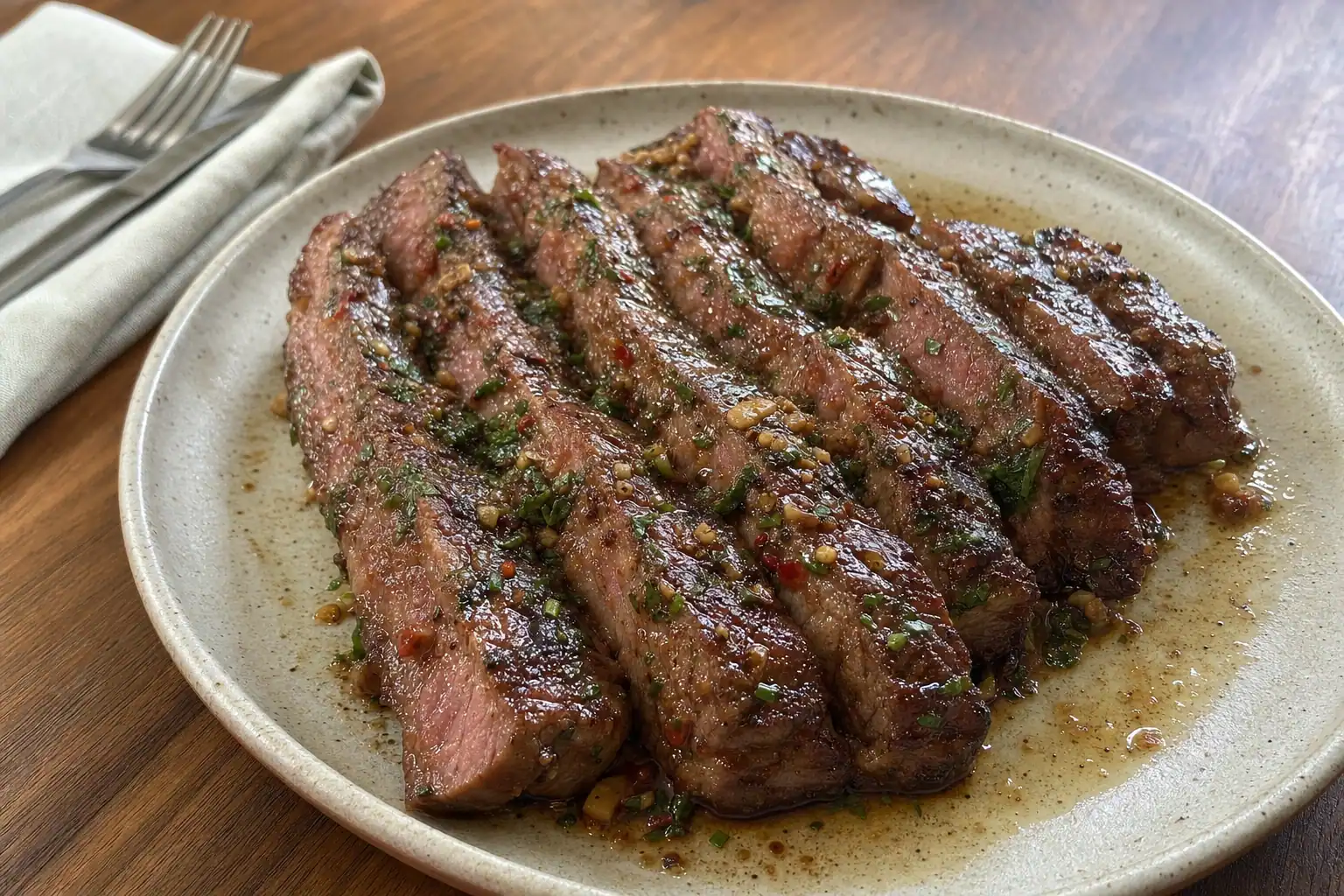
Simple Steak Marinade
This easy steak marinade uses soy sauce, garlic, Worcestershire sauce, and a little lemon to season steak without covering up its flavor. It is quick to whisk together and works for grilling, pan-searing, or broiling.
 Dinner
Crispy Oven-Baked Chicken Thighs
These bone-in chicken thighs bake up juicy inside with crisp, well-seasoned skin. It is a simple dinner recipe that works with rice, potatoes, salad, or whatever vegetables you have on hand.