
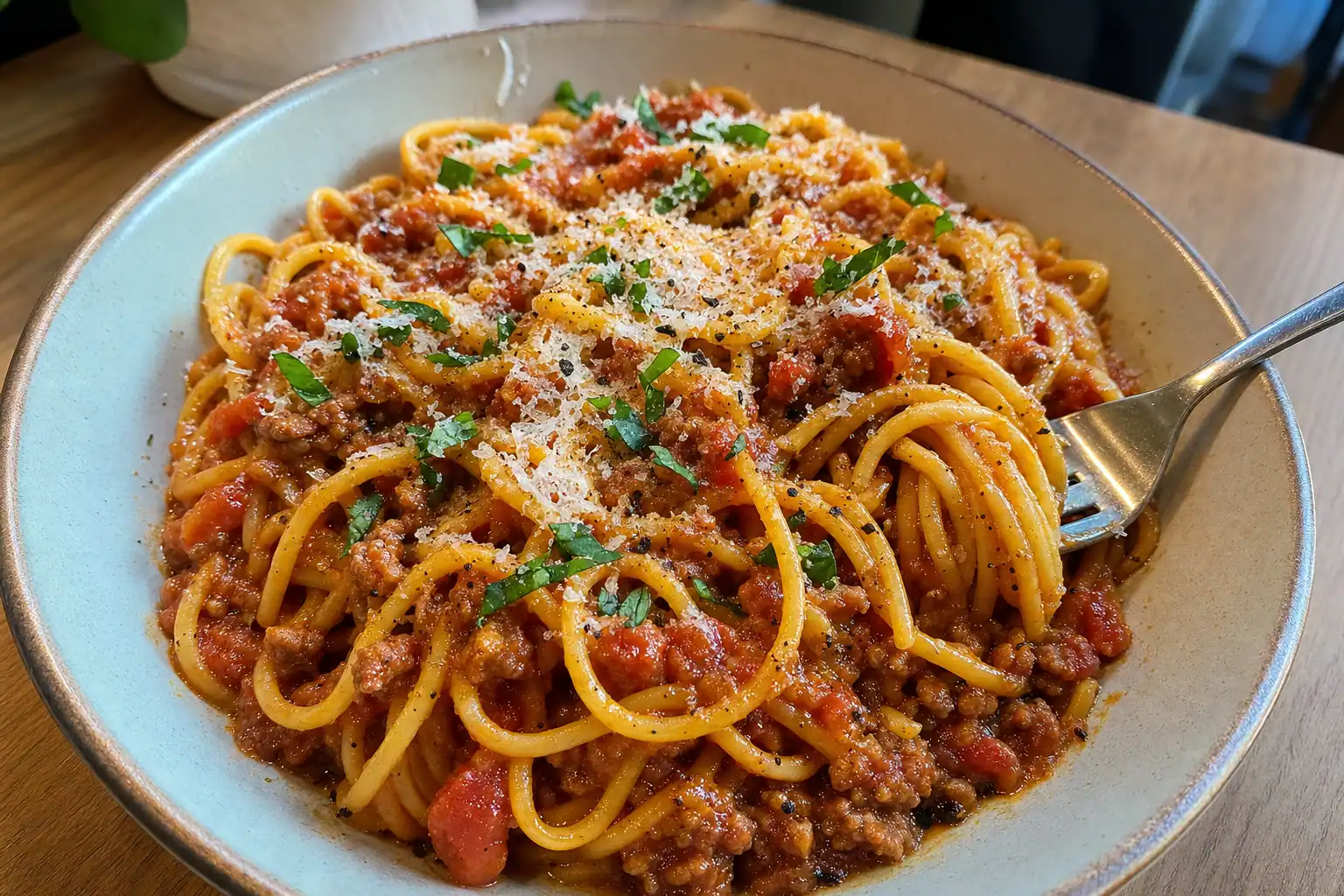
Simple Tomato Garlic Pasta
This easy weeknight pasta uses pantry ingredients, a quick tomato sauce, and one simple trick: finish the pasta in the sauce so every strand tastes seasoned. It is cozy, flexible, and ready in about 30 minutes.
Total
30 min
Servings
4 servings
Level
Easy
A good bowl of pasta does not need a long ingredient list. This version starts with olive oil, garlic, canned tomatoes, and a little pasta water to make a glossy sauce that clings to the noodles.
The method is simple enough for a beginner, but it still uses a few classic pasta-cooking habits. You will salt the water, cook the pasta until al dente, which means tender with a slight bite, and finish it in the pan with the sauce.
Serve it as written for a light dinner, or add vegetables, chicken, shrimp, or beans if you want something heartier.
01What you'll need
Ingredients
11 items · 4 servings
- 12 ounces spaghetti, linguine, penne, or another dried pasta
- 2 tablespoons olive oil
- 4 garlic cloves, thinly sliced or minced
- 1/4 teaspoon red pepper flakes, optional
- 1 can (28 ounces) crushed tomatoes or whole peeled tomatoes, crushed by hand
- 1 teaspoon kosher salt, plus more for the pasta water
- 1/2 teaspoon black pepper
- 1 teaspoon sugar, optional, if the tomatoes taste sharp
- 1/2 cup grated Parmesan cheese, plus more for serving
- 2 tablespoons butter, optional, for a richer sauce
- 1/4 cup fresh basil leaves, torn, or 2 tablespoons chopped parsley
02How to make it
Step-by-step
1. Boil the water
Bring a large pot of water to a strong boil. Add enough salt so the water tastes lightly salty. This seasons the pasta from the inside as it cooks.
2. Start the sauce
While the water heats, warm the olive oil in a large skillet over medium heat. Add the garlic and red pepper flakes, if using. Cook for 30 to 60 seconds, stirring often, until the garlic smells fragrant. Do not let it brown, or it can taste bitter.
3. Simmer the tomatoes
Add the crushed tomatoes, 1 teaspoon kosher salt, black pepper, and sugar, if using. Stir well. Lower the heat and simmer for 12 to 15 minutes, stirring now and then, until the sauce thickens slightly.
4. Cook the pasta
Add the pasta to the boiling water and cook until al dente, following the package timing as a guide. Before draining, scoop out 1 cup of the pasta water and set it aside.
5. Toss pasta with sauce
Drain the pasta and add it to the skillet with the tomato sauce. Toss with tongs or a large spoon over low heat for 1 to 2 minutes. Add a splash of reserved pasta water if the sauce looks too thick.
6. Make it glossy
Add the Parmesan and butter, if using. Toss again until the cheese melts into the sauce. Add more pasta water, 1 tablespoon at a time, until the sauce lightly coats the pasta instead of sitting in clumps.
7. Finish and serve
Taste and adjust with more salt or pepper if needed. Stir in the basil or parsley. Serve hot with extra Parmesan on top.
03From our kitchen
Cook's tips
- Make-ahead: The sauce can be made up to 3 days ahead. Cool it, cover it, and refrigerate. Reheat gently in a skillet before adding freshly cooked pasta.
- Storage: Store leftover pasta in an airtight container in the refrigerator for up to 3 days. Reheat in a skillet or microwave with a splash of water to loosen the sauce.
- Freezing: The tomato sauce freezes well for up to 3 months. Cooked pasta can become soft after freezing, so freeze the sauce by itself if possible.
- Pasta swaps: Spaghetti and linguine give a classic twirl. Penne, rigatoni, or fusilli are easier to eat with a spoon and catch more sauce in their ridges or curves.
- Protein add-ins: Stir in cooked chicken, shrimp, tuna, white beans, or chickpeas near the end. Heat them through before serving.
- Vegetable add-ins: Add spinach during the last minute of tossing, or sauté zucchini, mushrooms, or bell peppers before adding the tomatoes.
Cook's note
If you use whole peeled tomatoes, crush them with clean hands or a potato masher before simmering. They often have a softer texture and a slightly fresher taste than crushed tomatoes, but either option works well.
04Frequently asked
Questions & answers
How much salt should I add to pasta water?
For a large pot, start with 1 to 2 tablespoons of kosher salt. The water should taste seasoned but not as salty as the sea. If using fine table salt, use less because it is denser.
What does al dente mean?
Al dente means the pasta is cooked but still has a little firmness in the center. It should not be crunchy, but it should not be mushy either. Start checking 1 to 2 minutes before the package says it is done.
Why save pasta water?
Pasta water contains starch from the noodles. When you add a little to the sauce, it helps the sauce cling to the pasta and gives it a smoother texture.
Can I make this without Parmesan?
Yes. Leave it out for a dairy-free version, or use a dairy-free Parmesan-style topping. Add a little extra olive oil at the end for richness.
Can I use fresh tomatoes instead of canned?
Yes, but the sauce may take longer. Use about 2 pounds of ripe tomatoes, chopped. Simmer until they break down and the sauce thickens, usually 20 to 30 minutes.
05Keep cooking
You might also like
 Dinner
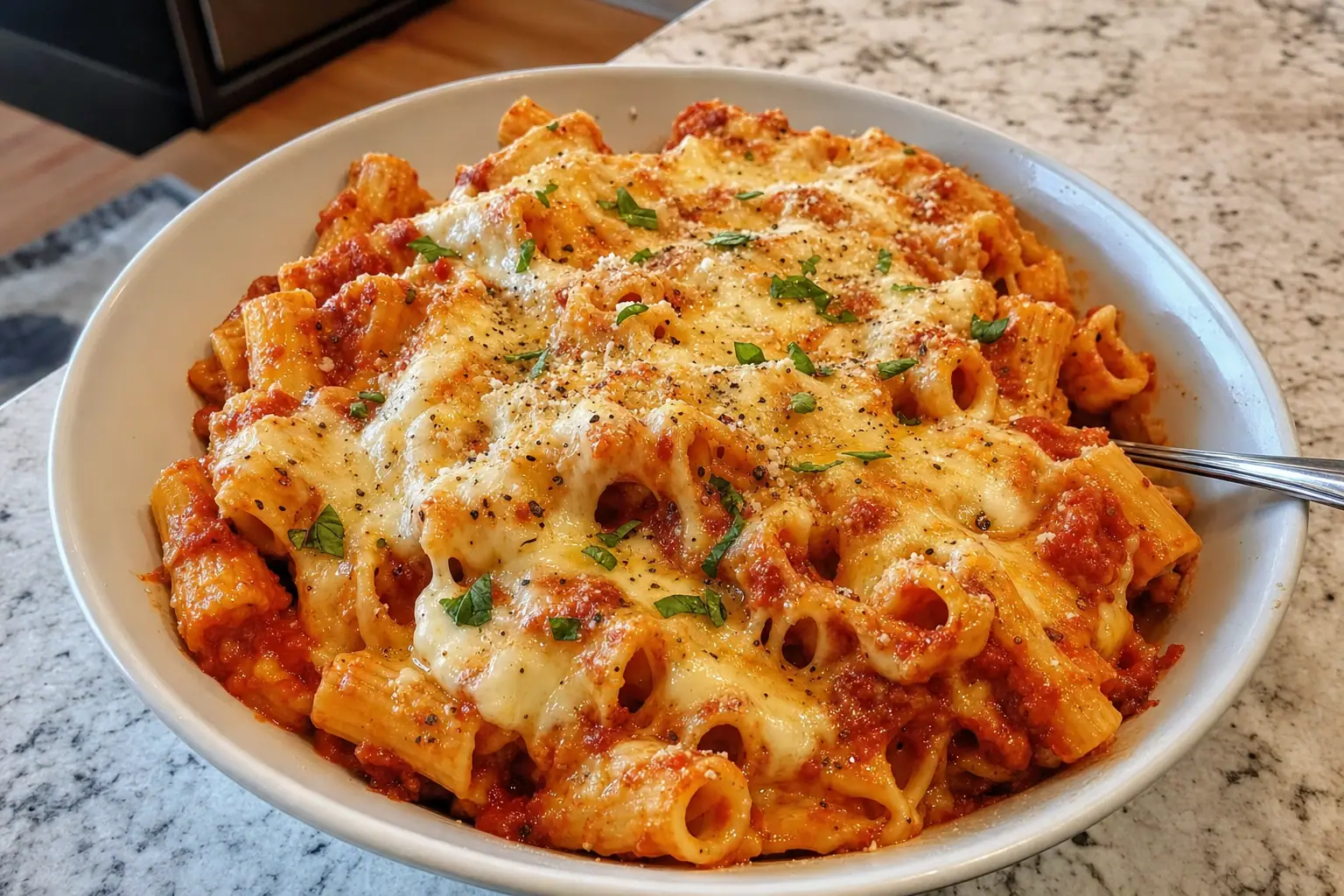
Baked Ziti Pasta with Marinara and Three Cheeses
This cozy ziti pasta is saucy, cheesy, and simple enough for a weeknight. It has all the comfort of lasagna, with less layering and less fuss.
 Dinner
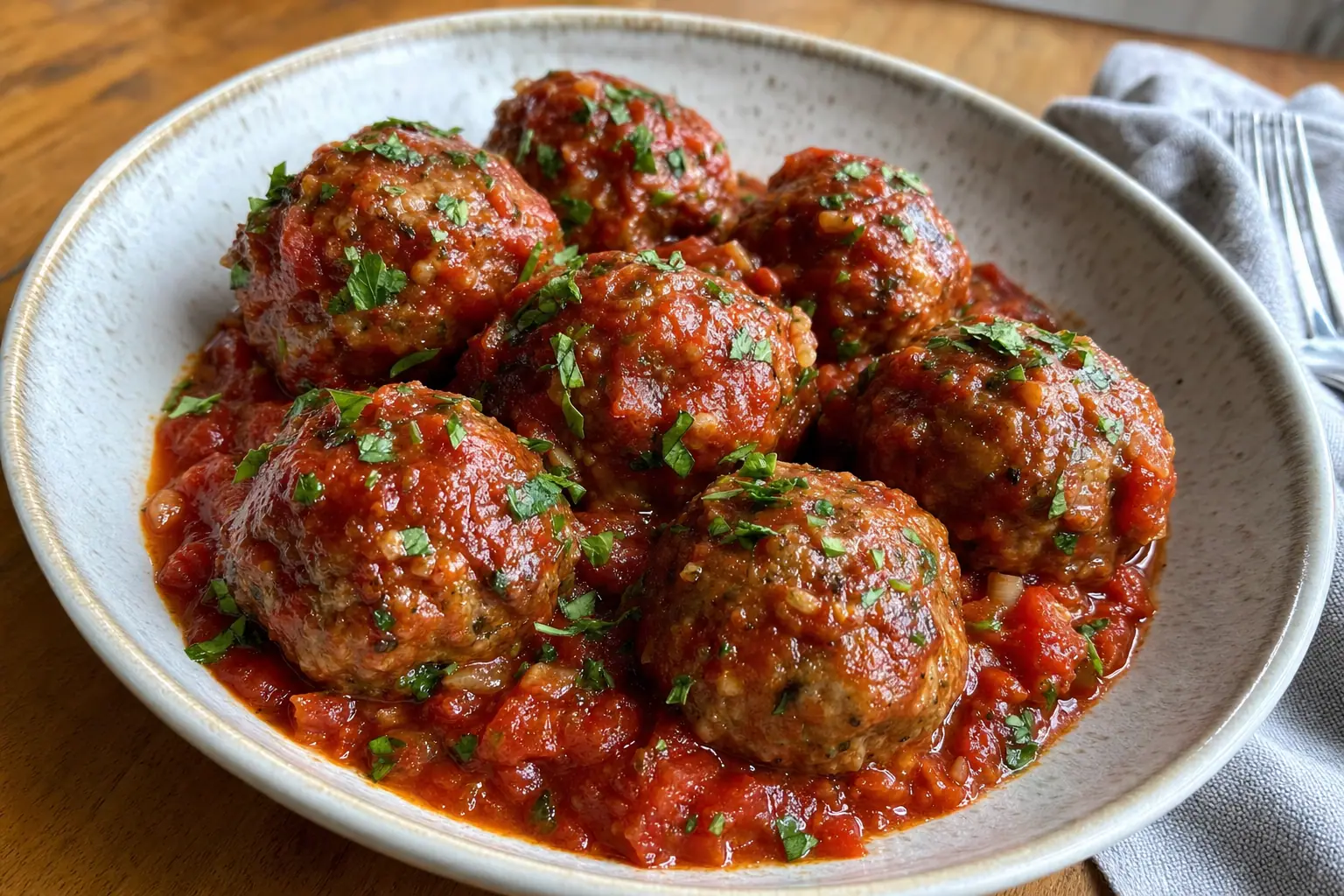
Classic Meatballs in Tomato Sauce
Tender, savory meatballs simmered in a simple tomato sauce make a cozy dinner with pasta, polenta, or crusty bread. This version uses a quick panade, which is a bread-and-milk mixture that helps keep the meatballs soft.
 Dinner
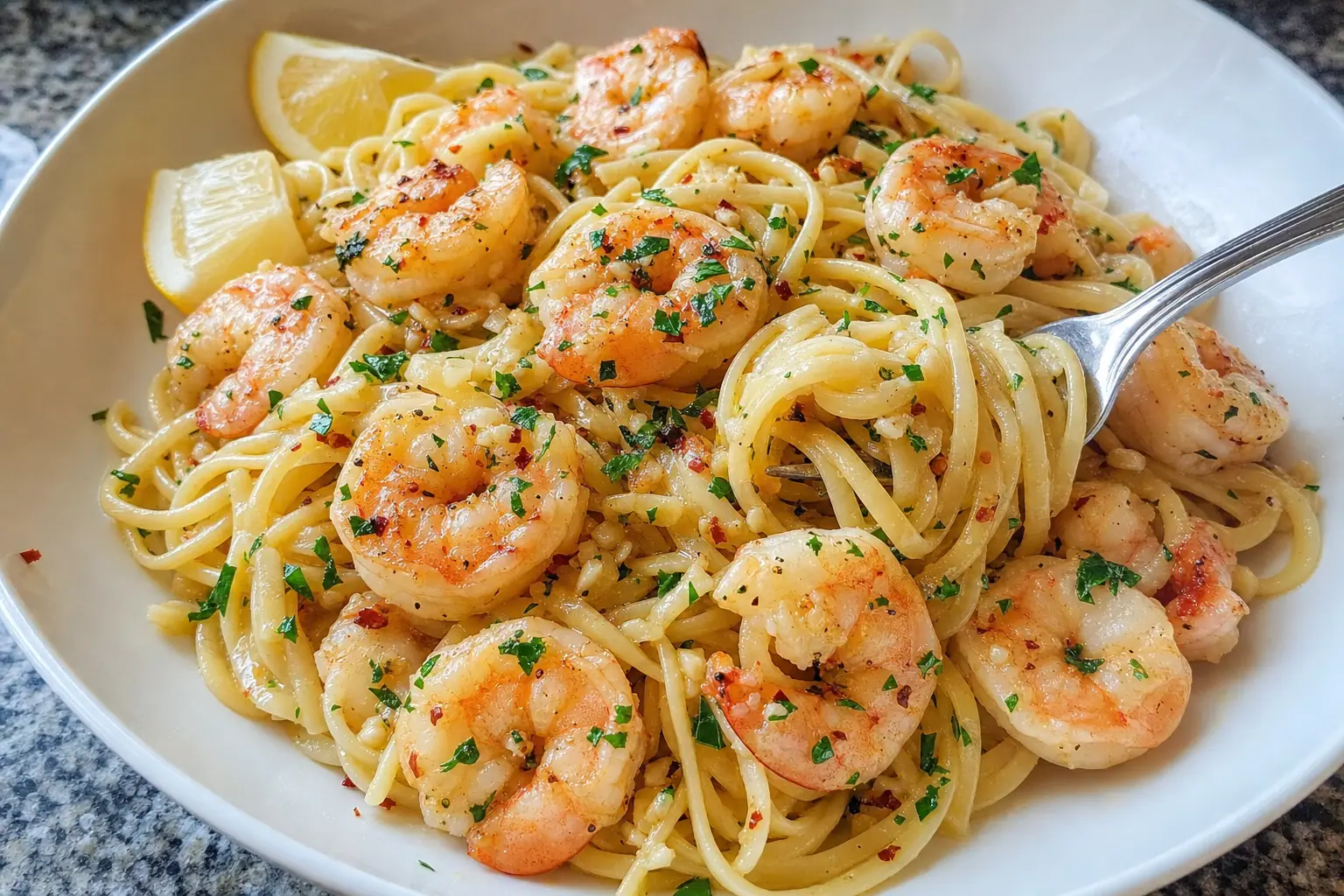
Shrimp Scampi Pasta
Garlicky shrimp, lemon, butter, and a little pasta water make a bright, glossy sauce in about 30 minutes. This is a weeknight-friendly dinner that still feels special.
 Dinner
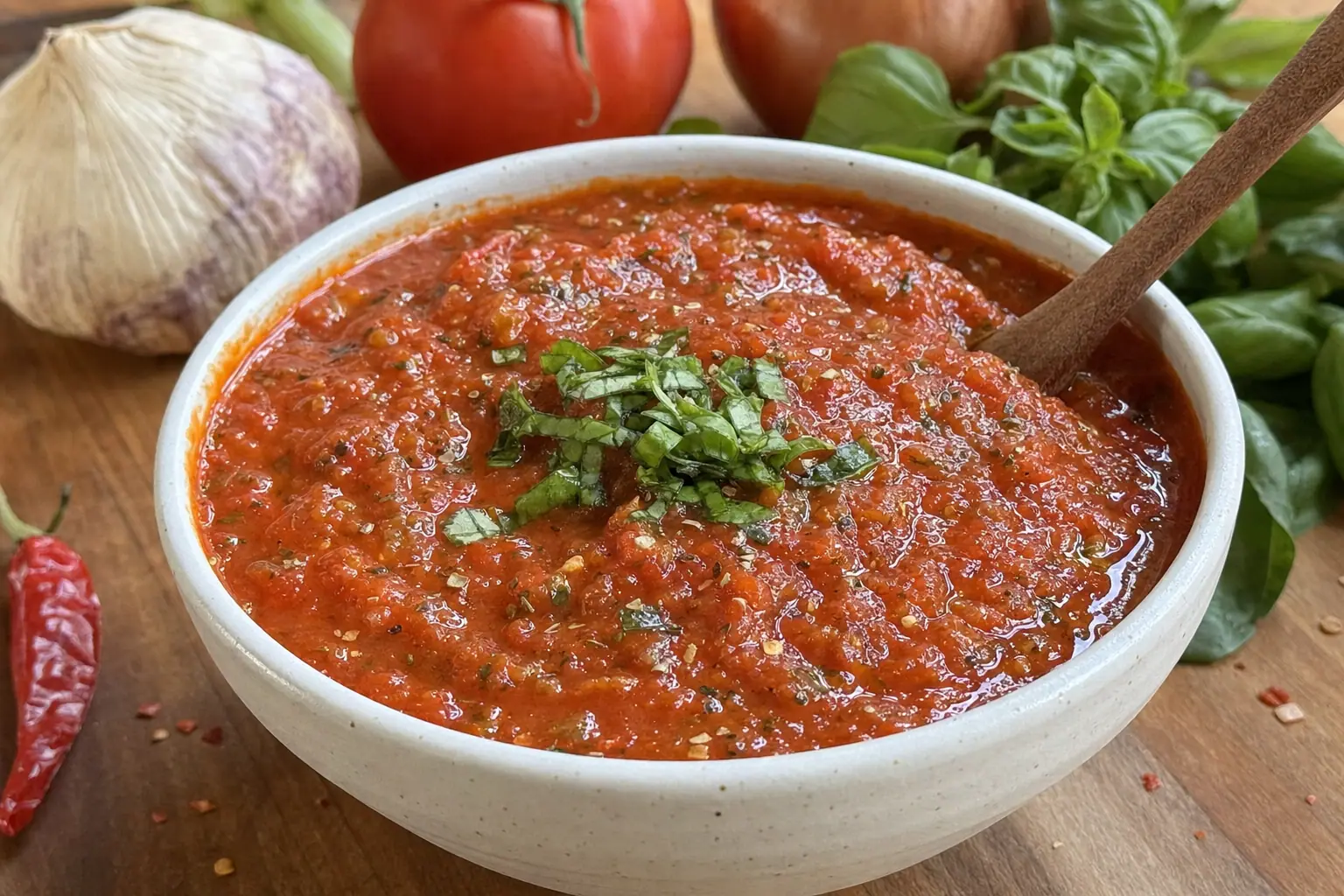
Simple Marinara Sauce
This bright, garlicky marinara is the kind of sauce you can make on a weeknight with pantry ingredients. Use it for pasta, pizza, meatballs, baked eggs, or a quick dipping sauce.