
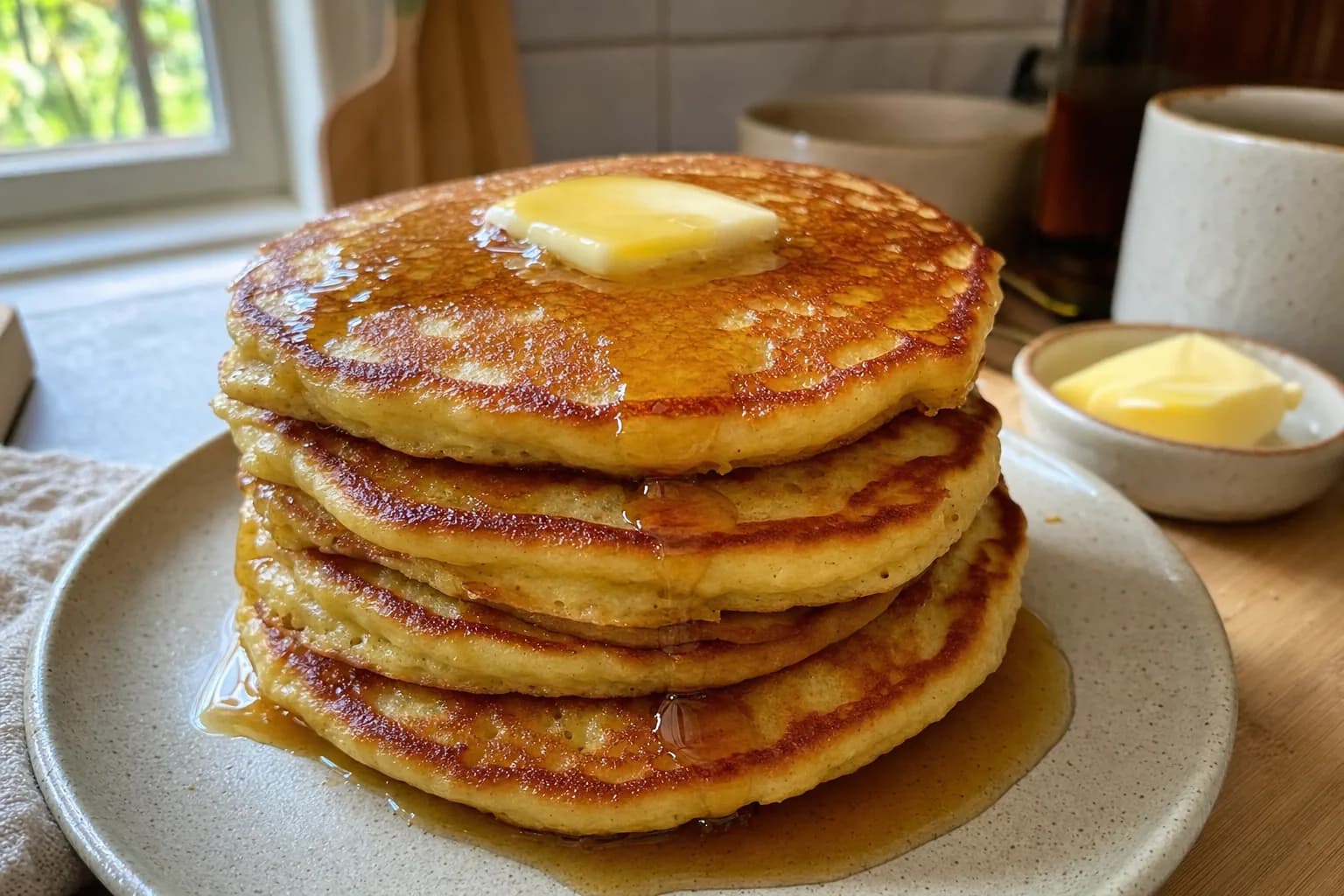
Sourdough Pancakes
These soft, lightly tangy sourdough pancakes are a smart way to use sourdough discard. The batter comes together in one bowl and cooks into fluffy, golden pancakes with crisp edges.
Total
30 min
Servings
4 servings, about 12 medium pancakes
Level
Easy
Sourdough pancakes are a cozy breakfast with a little extra flavor. The sourdough starter adds a gentle tang, while baking powder and baking soda help the pancakes rise in the pan.
This recipe works with sourdough discard, which is starter you remove before feeding. It does not need to be bubbly or active, so it is useful for weekend mornings or anytime you have extra starter in the fridge.
The batter is simple, but a short rest helps the flour hydrate. That means the flour has time to absorb the liquid, making the pancakes softer and easier to cook evenly.
01What you'll need
Ingredients
11 items · 4 servings, about 12 medium pancakes
- 1 cup (240 g) sourdough starter discard, preferably 100% hydration
- 1 cup (125 g) all-purpose flour
- 2 tablespoons granulated sugar
- 1 teaspoon baking powder
- 1/2 teaspoon baking soda
- 1/2 teaspoon fine salt
- 2 large eggs
- 3/4 cup (180 ml) milk, plus more as needed
- 3 tablespoons unsalted butter, melted and slightly cooled, plus more for the pan
- 1 teaspoon vanilla extract, optional
- Maple syrup, butter, berries, or yogurt, for serving
02How to make it
Step-by-step
1. Mix the dry ingredients
In a large bowl, whisk together the flour, sugar, baking powder, baking soda, and salt. Whisking breaks up clumps and spreads the leaveners evenly, so the pancakes rise well.
2. Whisk the wet ingredients
In a second bowl or large measuring jug, whisk the sourdough starter, eggs, milk, melted butter, and vanilla, if using. Keep whisking until the eggs are fully blended and the starter loosens into the liquid.
3. Combine the batter
Pour the wet ingredients into the dry ingredients. Stir gently with a spatula until you no longer see dry flour. A few small lumps are fine. Do not beat the batter, or the pancakes can turn tough.
4. Rest the batter
Let the batter sit for 5 to 10 minutes while you heat the pan. It should look thick but pourable. If it is so thick that it drops from the spoon in one heavy mound, stir in extra milk, 1 tablespoon at a time.
5. Heat the pan
Set a large nonstick skillet, cast-iron pan, or griddle over medium heat. Add a small pat of butter and let it melt. If the butter browns too fast, lower the heat slightly.
6. Cook the first side
Scoop about 1/4 cup batter per pancake into the pan, leaving space between each one. Cook for 2 to 3 minutes, until bubbles form on top, the edges look set, and the underside is golden.
7. Flip and finish
Flip the pancakes with a thin spatula. Cook for 1 to 2 minutes more, until the second side is golden and the center springs back lightly when touched.
8. Serve warm
Move the pancakes to a plate, or keep them warm on a baking sheet in a 200°F oven while you cook the rest. Serve with butter, maple syrup, fruit, or any toppings you like.
03From our kitchen
Cook's tips
- For make-ahead mornings, whisk the dry ingredients the night before and keep them covered at room temperature. Whisk the wet ingredients separately and refrigerate, then combine just before cooking.
- Cooked pancakes keep well in an airtight container in the fridge for up to 3 days. Reheat in a toaster, skillet, or 325°F oven until warm.
- To freeze, cool the pancakes completely, then stack them with parchment paper between layers. Freeze in a bag or container for up to 2 months. Reheat from frozen in a toaster or oven.
- You can swap up to half of the all-purpose flour for whole wheat flour. The pancakes will taste nuttier and may need 1 to 3 extra tablespoons of milk.
- Dairy-free milk works well here. You can also use melted coconut oil or a neutral oil instead of butter, though the flavor will be slightly different.
- If your sourdough starter is very thick, the batter may need more milk. If your starter is very runny, start with 1/2 cup milk and add more only if needed.
Cook's note
This recipe is written for sourdough starter at 100% hydration, meaning it is fed with equal weights of flour and water. If your starter is much thicker or thinner, adjust the milk until the batter is thick but easy to scoop.
04Frequently asked
Questions & answers
Can I use active sourdough starter instead of discard?
Yes. Active, bubbly starter works just as well as discard. The pancakes may taste a little milder if the starter was recently fed.
Why are my sourdough pancakes gummy in the middle?
They may be undercooked or the pan may be too hot. If the outside browns before the center cooks, lower the heat and give each pancake another minute or two. Also avoid overmixing, which can make the texture dense.
Can I make the batter overnight?
You can, but the pancakes will taste tangier and the batter may thicken. For the easiest results, mix the batter in the morning. If you do refrigerate it overnight, stir gently and add a splash of milk before cooking.
Do I need both baking powder and baking soda?
Yes, they help in different ways. Baking soda reacts with the acidity in the sourdough starter, while baking powder gives extra lift for fluffier pancakes.
What toppings go well with sourdough pancakes?
Maple syrup and butter are classic. Fresh berries, sliced bananas, toasted nuts, yogurt, honey, or a spoonful of jam also pair nicely with the light sourdough tang.
05Keep cooking
You might also like
 Breakfast
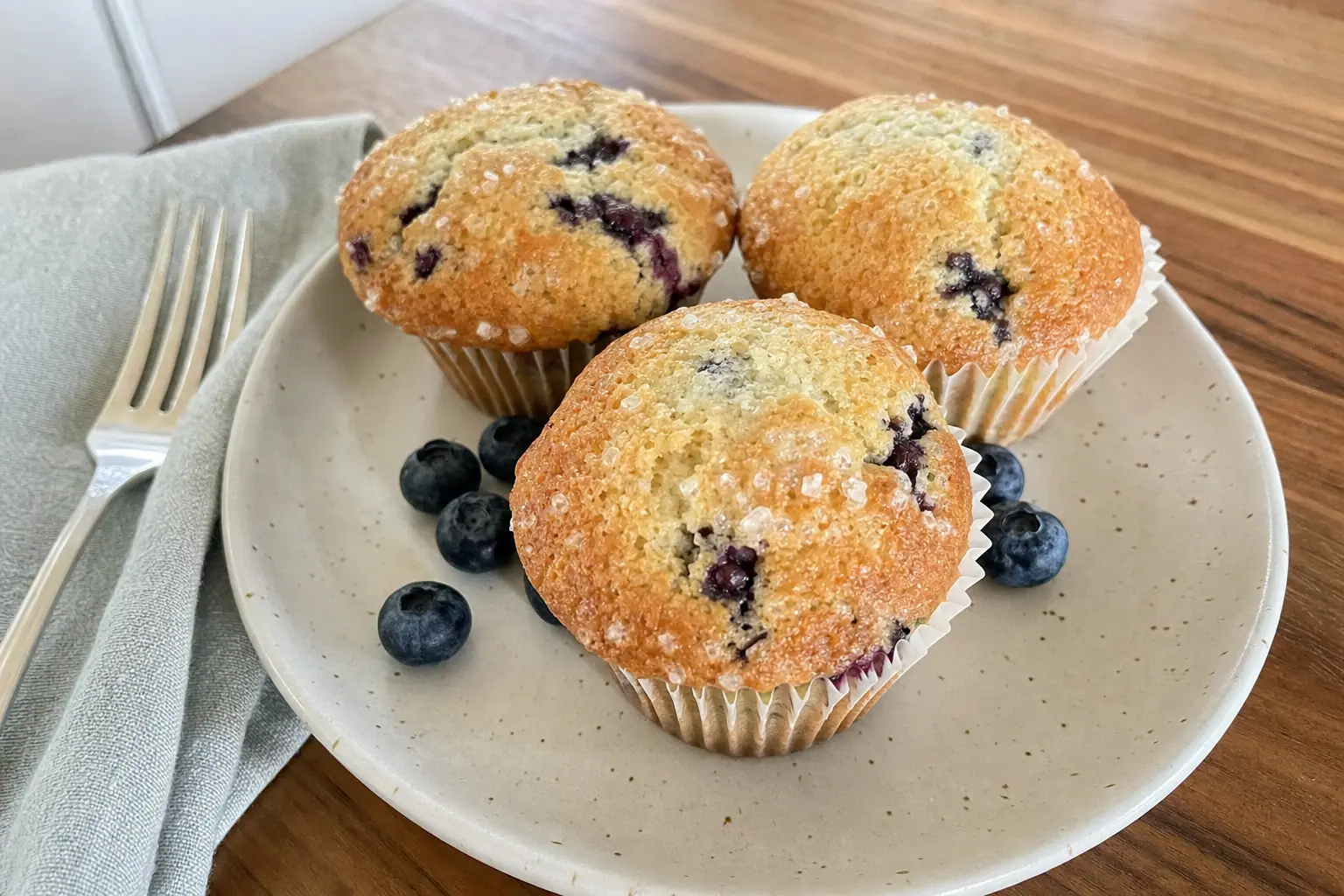
Simple Muffins
These tender, plain muffins are easy to mix by hand and ready in about 30 minutes. Keep them classic with vanilla, or fold in berries, chocolate chips, or chopped nuts.
 Breakfast
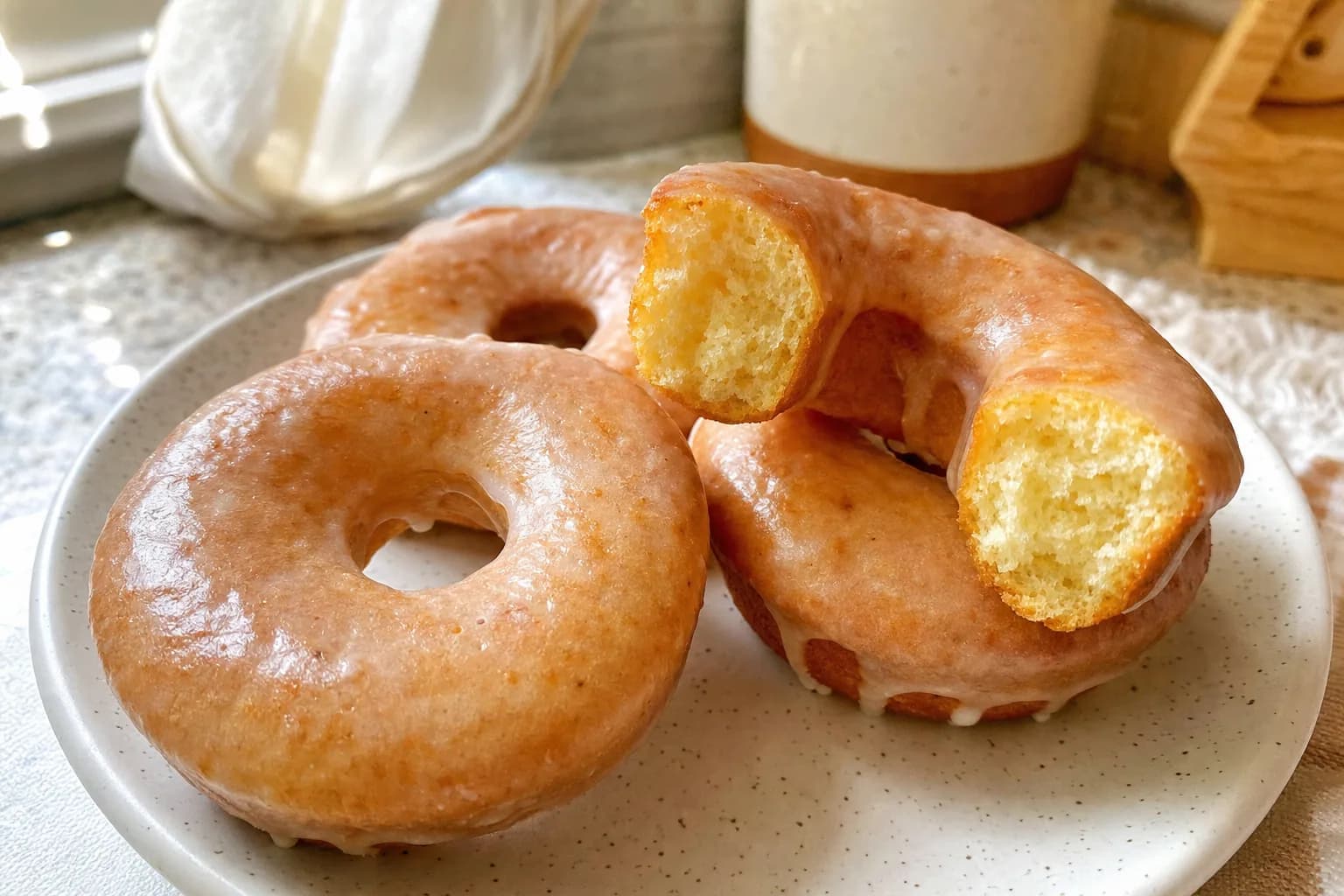
Baked Donut Recipe
These soft baked donuts are made in a donut pan, so there is no frying oil to manage. A quick vanilla glaze gives them the classic donut-shop finish at home.
 Breakfast
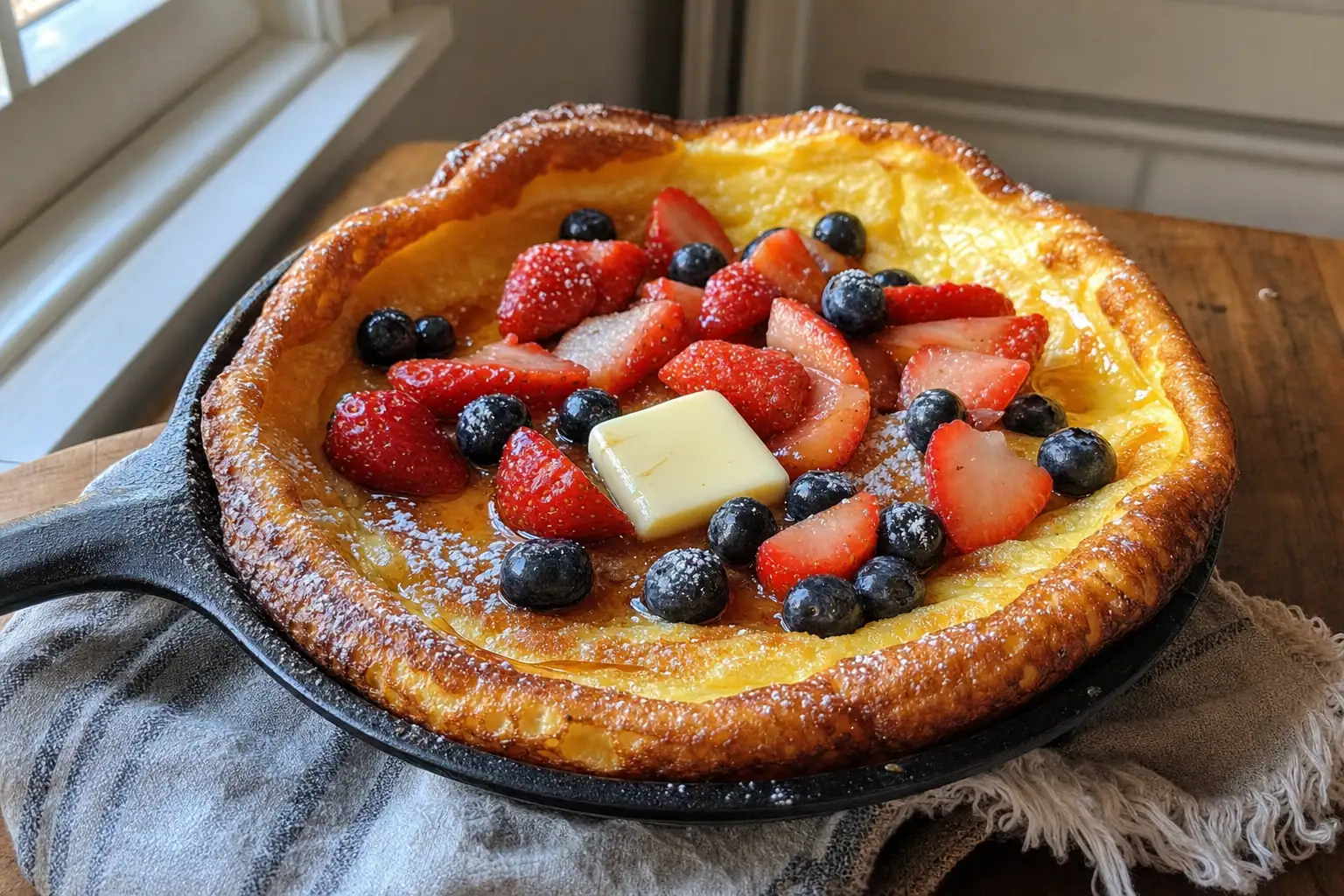
Dutch Baby Pancake
This puffed oven pancake is crisp at the edges, tender in the middle, and made from a simple blender batter. Serve it hot with lemon, powdered sugar, berries, or maple syrup for an easy breakfast that feels special.
 Breakfast
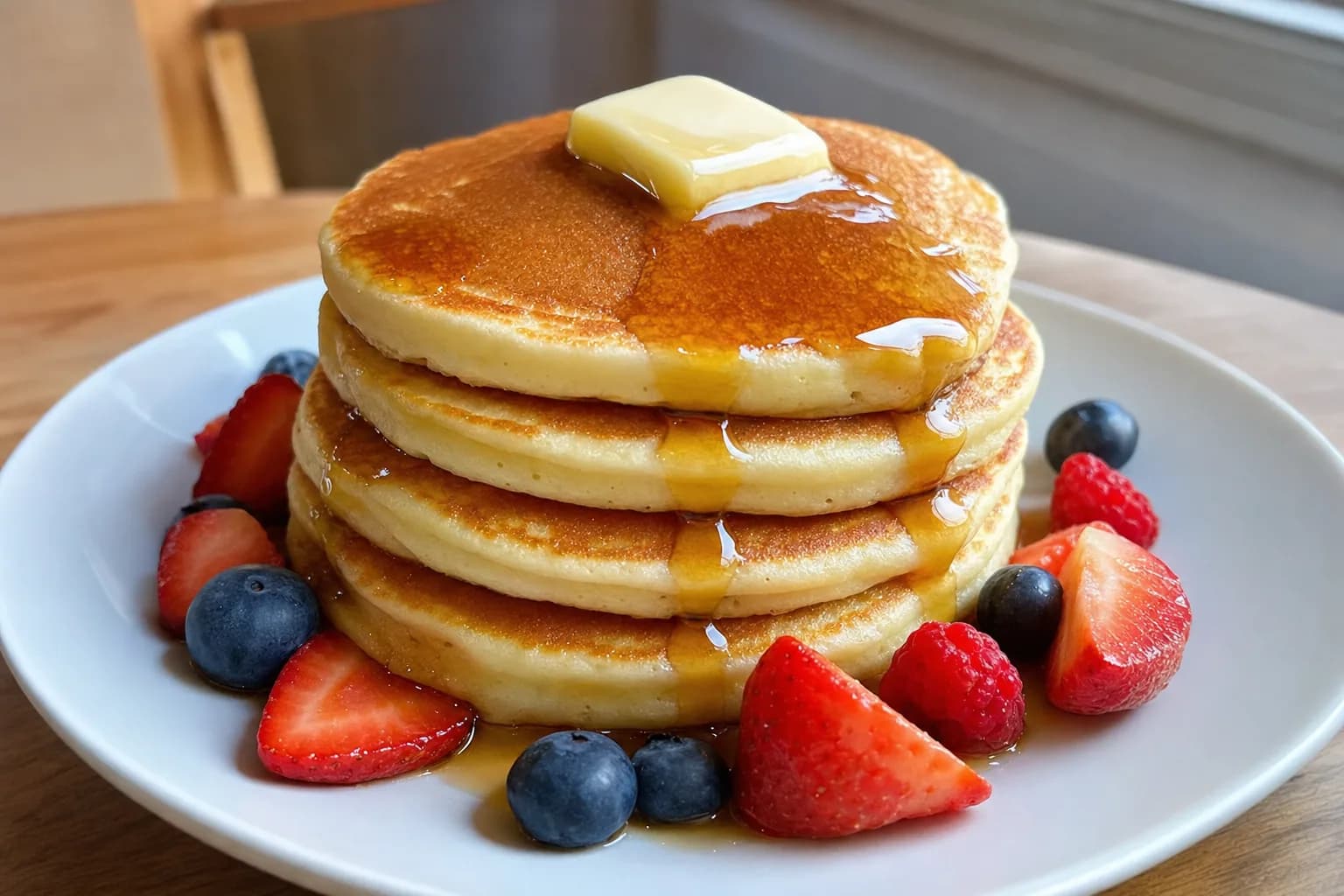
Fluffy Pancake Recipe
These simple pancakes are soft, lightly sweet, and easy to make with pantry staples. Cook them on a skillet or griddle for a calm weekend breakfast or a quick breakfast-for-dinner night.