
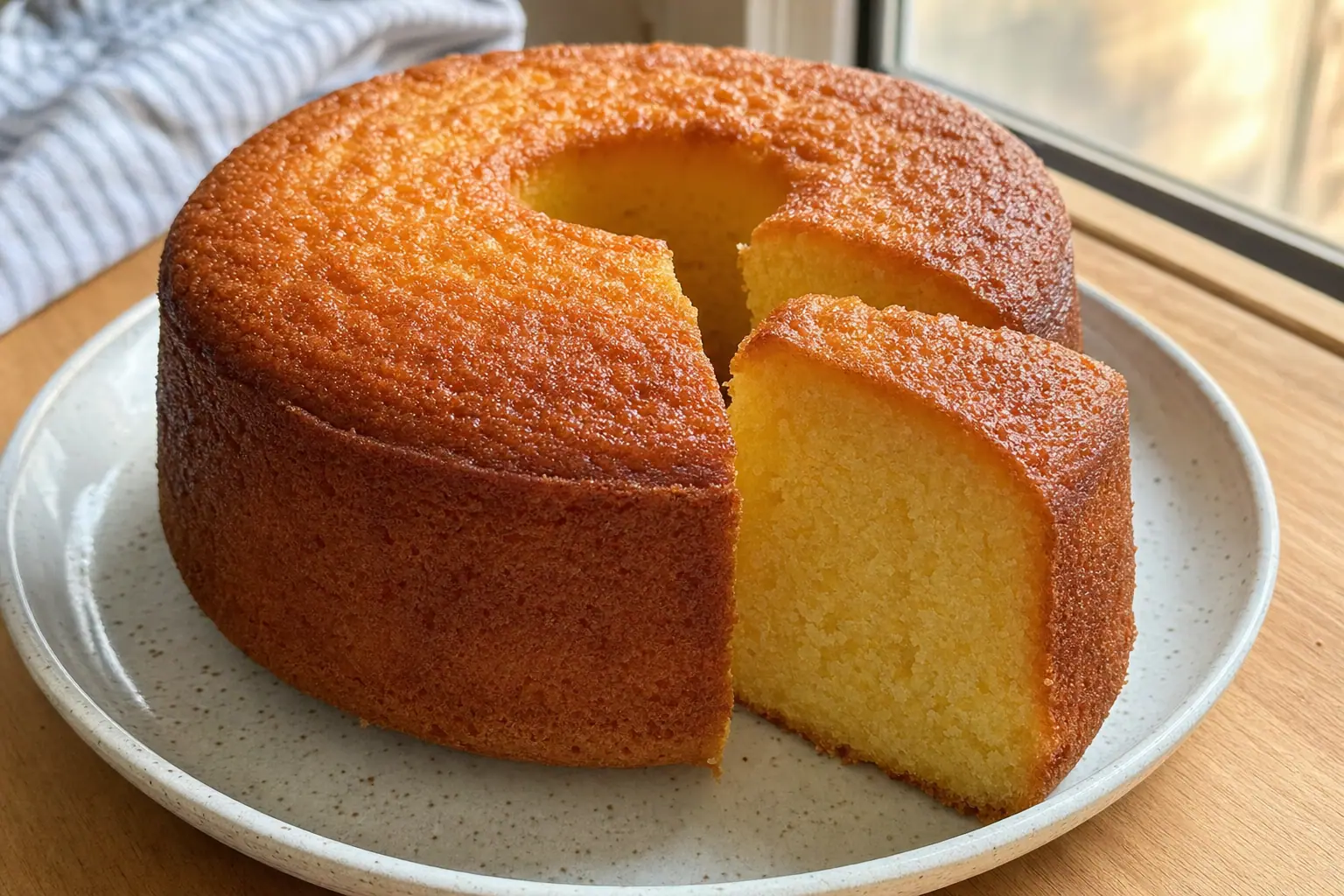
Yellow Cake with Chocolate Frosting
This classic yellow cake is soft, buttery, and simple enough for a birthday, picnic, or Sunday dessert. A creamy cocoa frosting makes it feel festive without making the recipe fussy.
Total
62 min
Servings
12 servings
Level
Medium
Yellow cake is the cake many of us picture when someone says “birthday cake”: golden layers, a tender crumb, and a thick sweep of chocolate frosting. The yellow color comes from whole eggs plus extra yolks, not food coloring.
This version uses cake flour for a softer texture and buttermilk for a mild tang. If you do not have cake flour, there is an easy swap in the tips.
The method is straightforward: cream the butter and sugar, add the eggs, then mix in the dry ingredients and buttermilk in turns. That helps the batter stay smooth and gives the cake an even, light texture.
01What you'll need
Ingredients
18 items · 12 servings
- For the cake:
- 2 1/2 cups cake flour, spooned and leveled
- 2 teaspoons baking powder
- 1/2 teaspoon baking soda
- 1 teaspoon fine salt
- 1 cup unsalted butter, softened
- 1 3/4 cups granulated sugar
- 4 large eggs, at room temperature
- 2 large egg yolks, at room temperature
- 1 tablespoon vanilla extract
- 1 cup buttermilk, at room temperature
- For the chocolate frosting:
- 1 cup unsalted butter, softened
- 3 1/2 cups powdered sugar
- 3/4 cup unsweetened cocoa powder
- 1/2 teaspoon fine salt
- 1/3 cup whole milk or heavy cream, plus more as needed
- 2 teaspoons vanilla extract
02How to make it
Step-by-step
1. Heat the oven
Heat the oven to 350°F. Grease two 9-inch round cake pans. Line the bottoms with parchment paper, then grease the paper too. This helps the cakes release cleanly after baking.
2. Mix the dry ingredients
In a medium bowl, whisk the cake flour, baking powder, baking soda, and salt. Whisking breaks up lumps and spreads the leavening evenly, so the cake rises well.
3. Cream the butter and sugar
In a large bowl, beat the softened butter and granulated sugar with an electric mixer on medium speed for 3 to 4 minutes, until pale and fluffy. “Creaming” means beating fat and sugar together to trap tiny air bubbles, which helps make the cake light.
4. Add the eggs and vanilla
Beat in the eggs one at a time, then beat in the egg yolks. Scrape down the sides of the bowl as needed. Add the vanilla and mix until combined. The batter may look slightly thick and glossy.
5. Alternate the flour and buttermilk
Add one-third of the flour mixture and mix on low speed just until mostly combined. Add half of the buttermilk and mix again. Repeat with another third of the flour, the rest of the buttermilk, and the final third of the flour. Stop mixing as soon as the batter is smooth; overmixing can make the cake tough.
6. Fill the pans
Divide the batter evenly between the prepared pans. Smooth the tops with a spatula. Tap the pans gently on the counter once or twice to release large air pockets.
7. Bake the cakes
Bake for 28 to 33 minutes, or until the tops spring back lightly and a toothpick inserted in the center comes out clean or with a few moist crumbs. Cool the cakes in the pans for 10 minutes, then turn them out onto a rack. Remove the parchment and cool completely before frosting.
8. Make the frosting
Beat the softened butter in a large bowl until creamy. Sift in the powdered sugar and cocoa powder, then add the salt, milk or cream, and vanilla. Beat on low speed until combined, then on medium speed for 2 to 3 minutes, until smooth. Add a splash more milk if the frosting is too thick.
9. Frost and serve
Place one cooled cake layer on a plate or cake stand. Spread a generous layer of frosting on top. Add the second cake layer, then frost the top and sides. Let the cake sit for 20 to 30 minutes before slicing so the frosting can settle.
03From our kitchen
Cook's tips
- Make ahead: Bake the cake layers up to 1 day ahead. Wrap the completely cooled layers tightly and keep them at room temperature. Frost the cake the day you plan to serve it.
- Storage: Keep the frosted cake covered at room temperature for up to 2 days, or refrigerate for up to 5 days. If chilled, let slices sit at room temperature for about 20 minutes before eating so the butter in the cake and frosting can soften.
- Cake flour swap: For each cup of cake flour, measure 1 cup all-purpose flour, remove 2 tablespoons, and replace them with 2 tablespoons cornstarch. For this recipe, use 2 1/2 cups all-purpose flour minus 5 tablespoons, plus 5 tablespoons cornstarch. Whisk very well.
- Buttermilk swap: If you do not have buttermilk, stir 1 tablespoon lemon juice or white vinegar into 1 cup milk. Let it sit for 5 minutes before using.
- Pan options: You can bake this as a 9-by-13-inch cake. Start checking at 32 minutes; it may take 35 to 40 minutes total. Frost right in the pan once cool.
- Cupcake option: This batter makes about 24 cupcakes. Fill liners about two-thirds full and bake at 350°F for 18 to 22 minutes, or until a toothpick comes out clean.
Cook's note
Room-temperature butter, eggs, and buttermilk make a noticeable difference here. They blend more easily, which helps the batter stay smooth and bake into an even crumb.
04Frequently asked
Questions & answers
Why is my yellow cake dry?
Dry cake is usually caused by too much flour, overbaking, or overmixing. Spoon the flour into the measuring cup and level it off instead of scooping straight from the bag. Start checking the cake a few minutes before the timer ends.
Can I use all-purpose flour instead of cake flour?
Yes. The cake will be a little sturdier, but still good. For a softer result, use the cake flour swap in the tips with all-purpose flour and cornstarch.
Can I make this yellow cake without chocolate frosting?
Yes. Vanilla buttercream, cream cheese frosting, caramel frosting, or a simple dusting of powdered sugar all work. Make sure the cake layers are fully cool before adding any frosting.
Why did my cake sink in the middle?
A cake can sink if the oven door is opened too early, the batter is underbaked, or the baking powder or baking soda is old. Check that your leavening is fresh and bake until the center springs back lightly.
Can I freeze yellow cake?
Yes. Freeze unfrosted cake layers wrapped tightly in plastic wrap and foil for up to 2 months. Thaw at room temperature before frosting. You can also freeze frosted slices in airtight containers.
05Per serving
Nutrition facts
Nutrition Facts
12 servings
Amount per serving
% Daily Value*
- Total Fat52 g
- 67%
- Saturated Fat32 g
- 159%
- Cholesterol224 mg
- 75%
- Sodium451 mg
- 20%
- Total Carbohydrate88 g
- 32%
- Dietary Fiber2.5 g
- 9%
- Total Sugars64 g
- Protein7.6 g
- 15%
* Percent Daily Values are based on a 2,000-calorie diet. Values are estimated from the ingredient list; actual amounts vary with brands, portion sizes, and substitutions.
05Keep cooking
You might also like
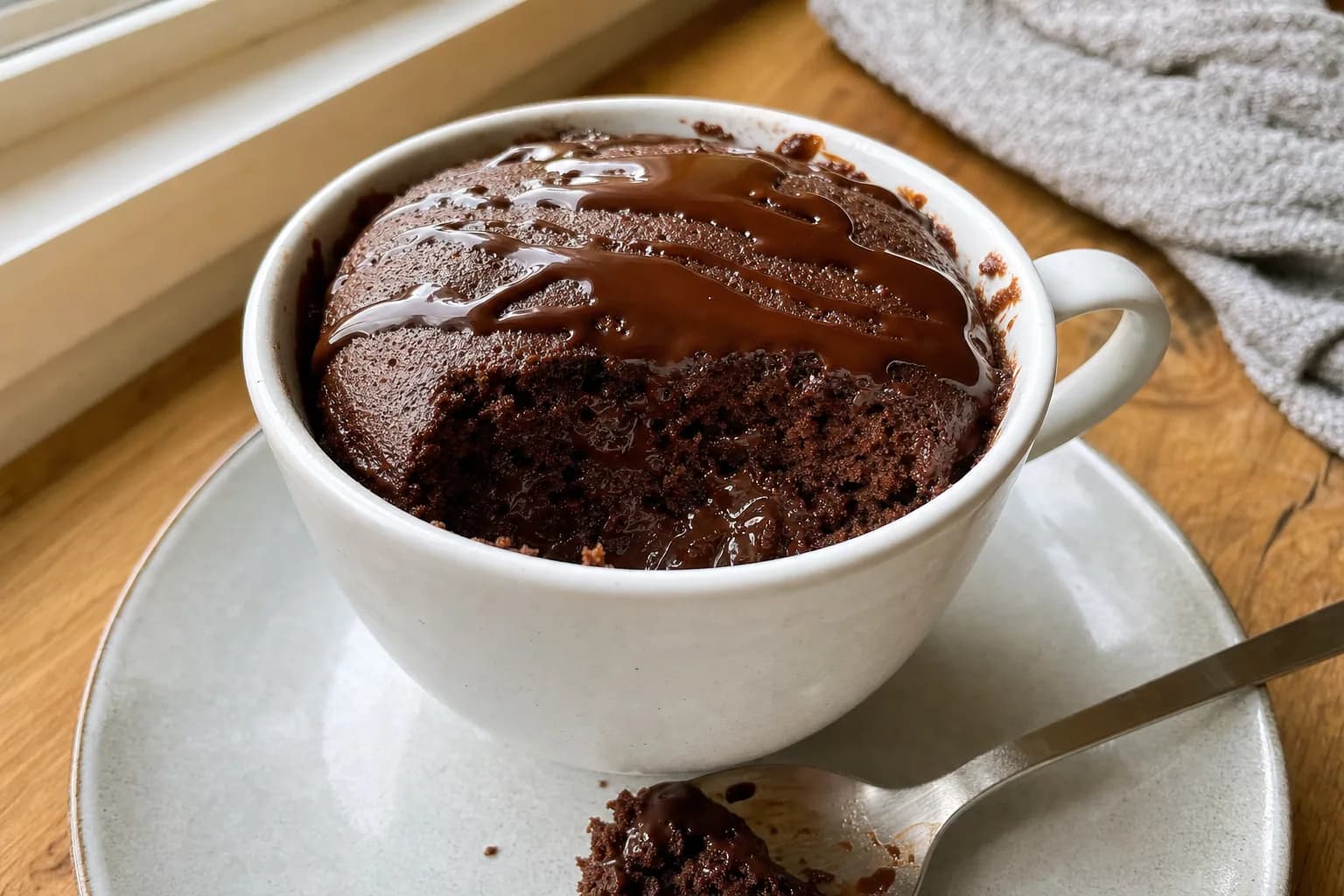 Desserts
Chocolate Mug Cake
This single-serve chocolate mug cake is soft, warm, and ready in minutes. It is made with pantry staples and cooks right in the microwave.
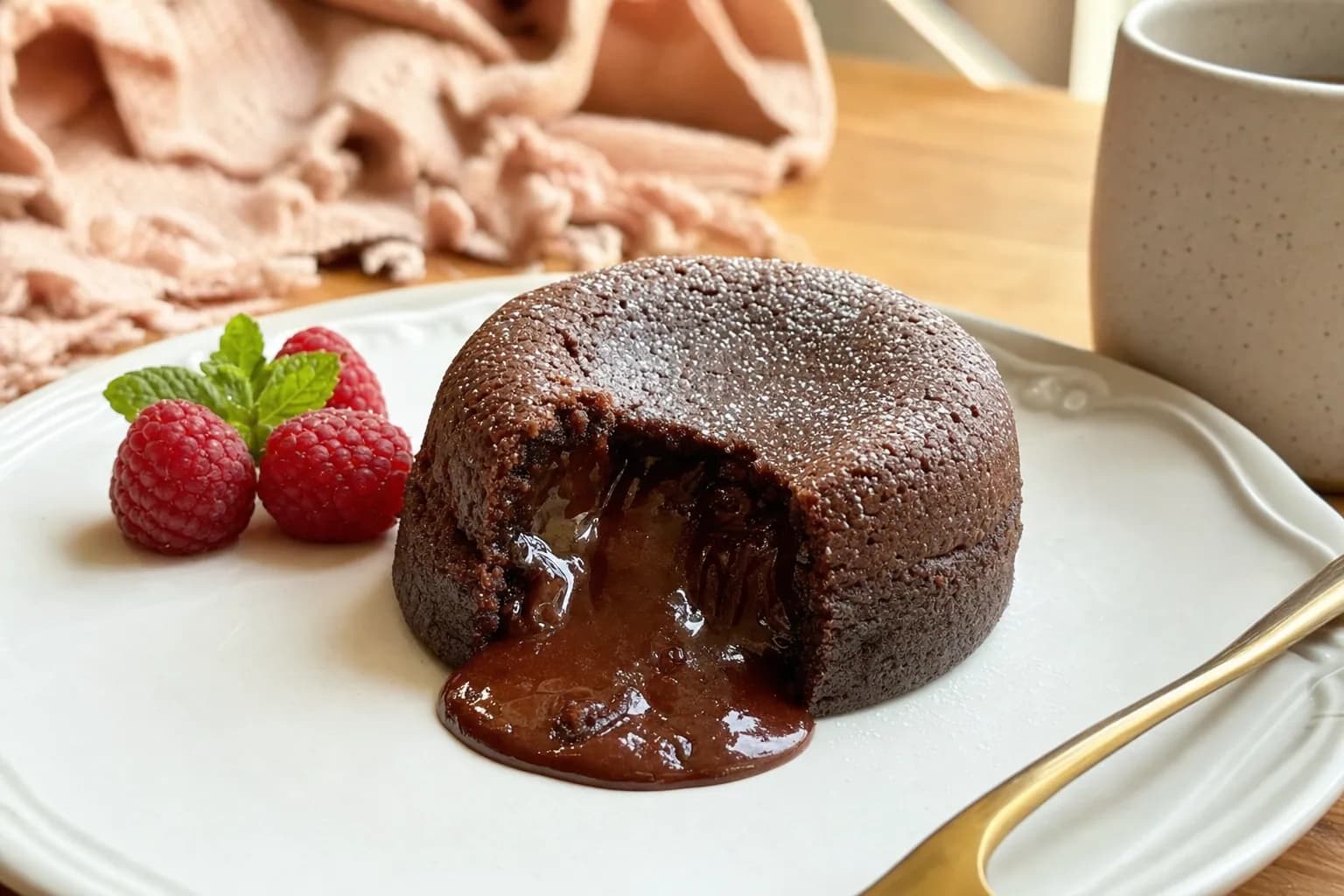 Desserts
Chocolate Lava Cakes
These small chocolate cakes bake up with tender edges and a warm, flowing center. Serve them straight from the oven with berries, whipped cream, or a scoop of vanilla ice cream.
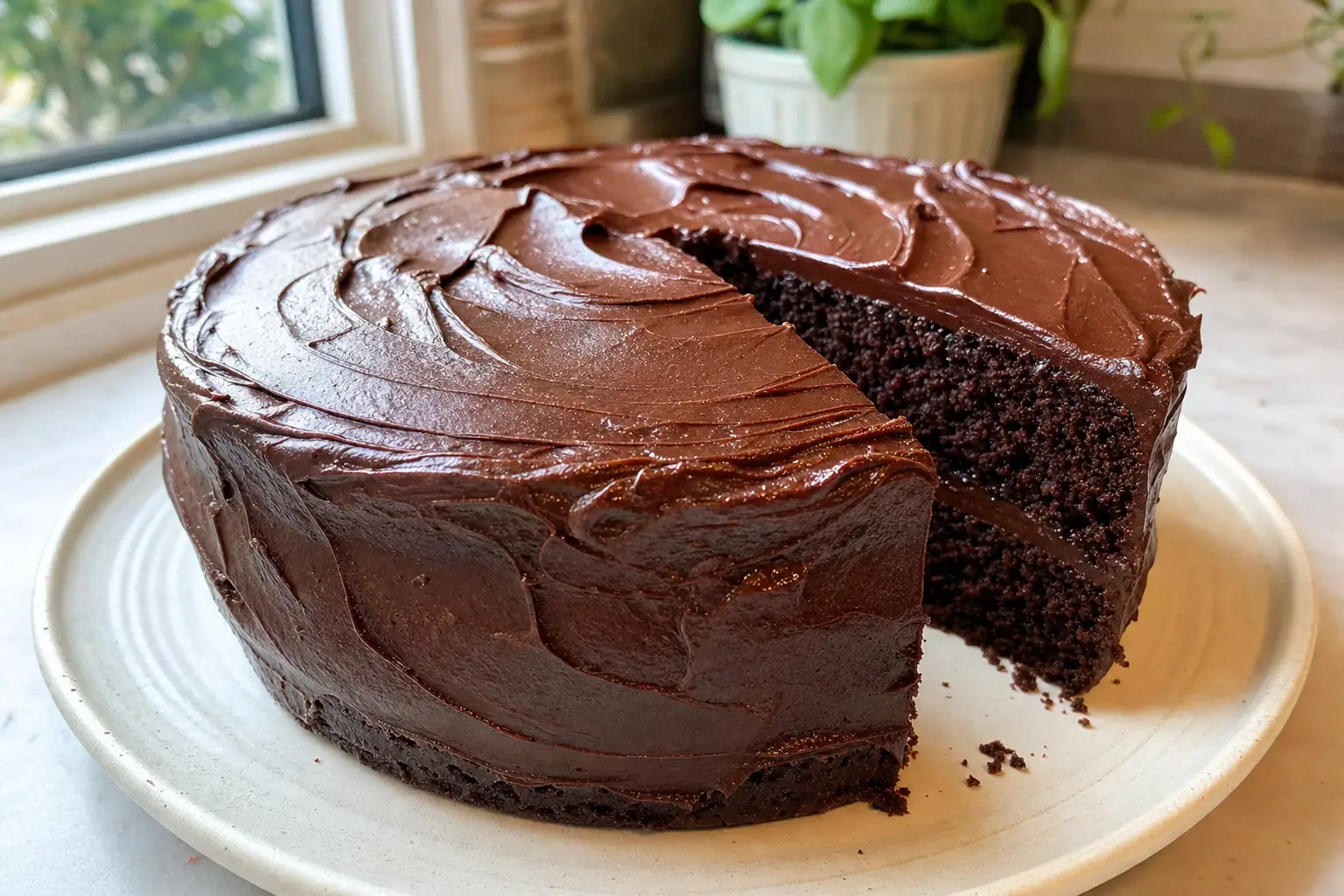 Desserts
Classic Chocolate Cake
This tender two-layer chocolate cake is rich, simple, and friendly enough for a birthday, bake sale, or quiet weekend dessert. A quick cocoa frosting keeps it soft, fudgy, and easy to slice.
 Desserts
Angel Food Cake
Light, tall, and softly sweet, angel food cake is a classic egg-white cake with a cloudlike crumb. Serve it plain, with berries, or under a spoonful of whipped cream.