

Chimichurri Sauce
Bright, herby chimichurri is the no-cook sauce to spoon over grilled steak, chicken, fish, roasted vegetables, or warm bread. This version uses parsley, garlic, vinegar, olive oil, and a little chile for a fresh, punchy,
- Total time
- 15 min
- Yield
- Makes about 1 cup; 16 servings, 1 tbsp.%
- Difficulty
- Easy
Prep 15mCook 0mArgentinianVegan Recipes
Chimichurri is a raw herb sauce from Argentina and Uruguay, often served with grilled meats. It is sharp from vinegar, rich from olive oil, and full of fresh parsley and garlic.
Because it is uncooked, the flavor depends on balance. Chop the herbs finely, give the garlic a little time in vinegar, and use enough salt to make the sauce taste lively without becoming harsh.
This recipe makes about 1 cup, which is enough for a cookout, a tray of roasted vegetables, or several weeknight meals.
01What you'll need
Ingredients
10 items · Makes about 1 cup; 16 servings, 1 tbsp.%
- 1 cup packed fresh flat-leaf parsley leaves and tender stems, finely chopped (about 60 g)
- 1 small shallot, very finely chopped (about 30 g)
- 4 garlic cloves, minced or grated (about 12 g)
- 2 tbsp red wine vinegar
- 1 tbsp fresh lemon juice
- 3/4 tsp fine sea salt, plus more to taste
- 1 tsp dried oregano
- 1/2 tsp red pepper flakes, or more to taste
- 1/2 tsp freshly ground black pepper
- 1/2 cup extra-virgin olive oil
02How to make it
Step-by-step
1. Chop the parsley
Wash and dry the parsley well. Finely chop the leaves and tender stems with a knife. A fine chop gives chimichurri its loose, spoonable texture without turning it into a puree.
2. Mince the aromatics
Very finely chop the shallot. Mince or grate the garlic. Add both to a medium bowl. Smaller pieces blend into the sauce better and make each spoonful more even.
3. Add the acid
Stir in the red wine vinegar, lemon juice, and fine sea salt. Let the mixture sit for 5 minutes. This quick rest gently mellows the raw garlic and helps the salt dissolve.
4. Season the base
Add the dried oregano, red pepper flakes, and black pepper. Stir well so the dried oregano can hydrate in the vinegar mixture.
5. Stir in the parsley
Add the chopped parsley to the bowl. Fold it through the garlic and vinegar mixture until the herbs are evenly coated.
6. Add the olive oil
Pour in the olive oil and stir until the sauce looks glossy and loose. Do not whisk hard; chimichurri should look like chopped herbs suspended in oil, not like a thick dressing.
7. Taste and rest
Taste the sauce. Add a pinch more salt, vinegar, or red pepper flakes if needed. Let it rest for 15 minutes before serving, if you have time, so the flavors can settle.
03From our kitchen
Cook's tips
- Make-ahead: Chimichurri tastes even better after 30 minutes to 2 hours. You can make it earlier in the day and keep it covered in the refrigerator.
- Storage: Store in a clean airtight container in the refrigerator for up to 4 days. Because this sauce contains raw garlic in oil, do not leave it at room temperature for long periods.
- Freezing: Freeze chimichurri in an ice cube tray, then transfer the cubes to a freezer bag. Use within 2 months. Thaw in the refrigerator and stir before serving.
- Herb swaps: Flat-leaf parsley is classic. You can replace up to half with cilantro for a brighter, more citrusy sauce, though the flavor will be less traditional.
- No fresh lemon? Use an extra tablespoon of red wine vinegar instead. The sauce will be a little sharper but still delicious.
- Food processor option: Pulse the parsley, shallot, and garlic briefly, then stir in the liquids by hand. Avoid blending until smooth; chimichurri should have texture.
Cook's note
Nutrition is calculated for 1 tablespoon per serving using the ingredient amounts listed, including 1/2 cup olive oil and 3/4 teaspoon fine sea salt. Values are estimates based on standard USDA ingredient data and will vary with exact brands and salt measurements.
04Frequently asked
Questions & answers
What do you serve chimichurri with?
Chimichurri is commonly served with grilled steak, but it is also excellent with chicken, pork, shrimp, roasted potatoes, grilled zucchini, eggs, beans, or crusty bread.
Can I make chimichurri without a food processor?
Yes. A knife is the preferred tool for a traditional texture. Chop the herbs, shallot, and garlic finely, then stir everything together in a bowl.
Why does my chimichurri taste bitter?
Bitterness can come from over-blending olive oil or from tough parsley stems. Chop by hand or pulse gently, use tender stems only, and balance bitterness with a little more vinegar or a pinch of salt.
Can I use dried parsley?
Fresh parsley is strongly recommended. Dried parsley does not give the same clean, grassy flavor or texture. If you only have dried herbs, make a different herb vinaigrette rather than true chimichurri.
Is chimichurri spicy?
It is usually mildly spicy from red pepper flakes. For a gentler sauce, use 1/4 teaspoon or leave them out. For more heat, add extra flakes or a small minced fresh chile.
05Per serving
Nutrition facts
Nutrition Facts
Makes about 1 cup; 16 servings, 1 tbsp.%
Amount per serving
% Daily Value*
- Total Fat6.8 g
- 9%
- Saturated Fat0.9 g
- 5%
- Cholesterol0 mg
- 0%
- Sodium112 mg
- 5%
- Total Carbohydrate1 g
- 0%
- Dietary Fiber0.3 g
- 1%
- Total Sugars0.2 g
- Protein0.2 g
- 0%
- Vitamin D0 mcg
- 0%
- Calcium9 mg
- 1%
- Iron0.3 mg
- 2%
- Potassium34 mg
- 1%
* Percent Daily Values are based on a 2,000-calorie diet.
05Keep cooking
You might also like
 Vegan Recipes
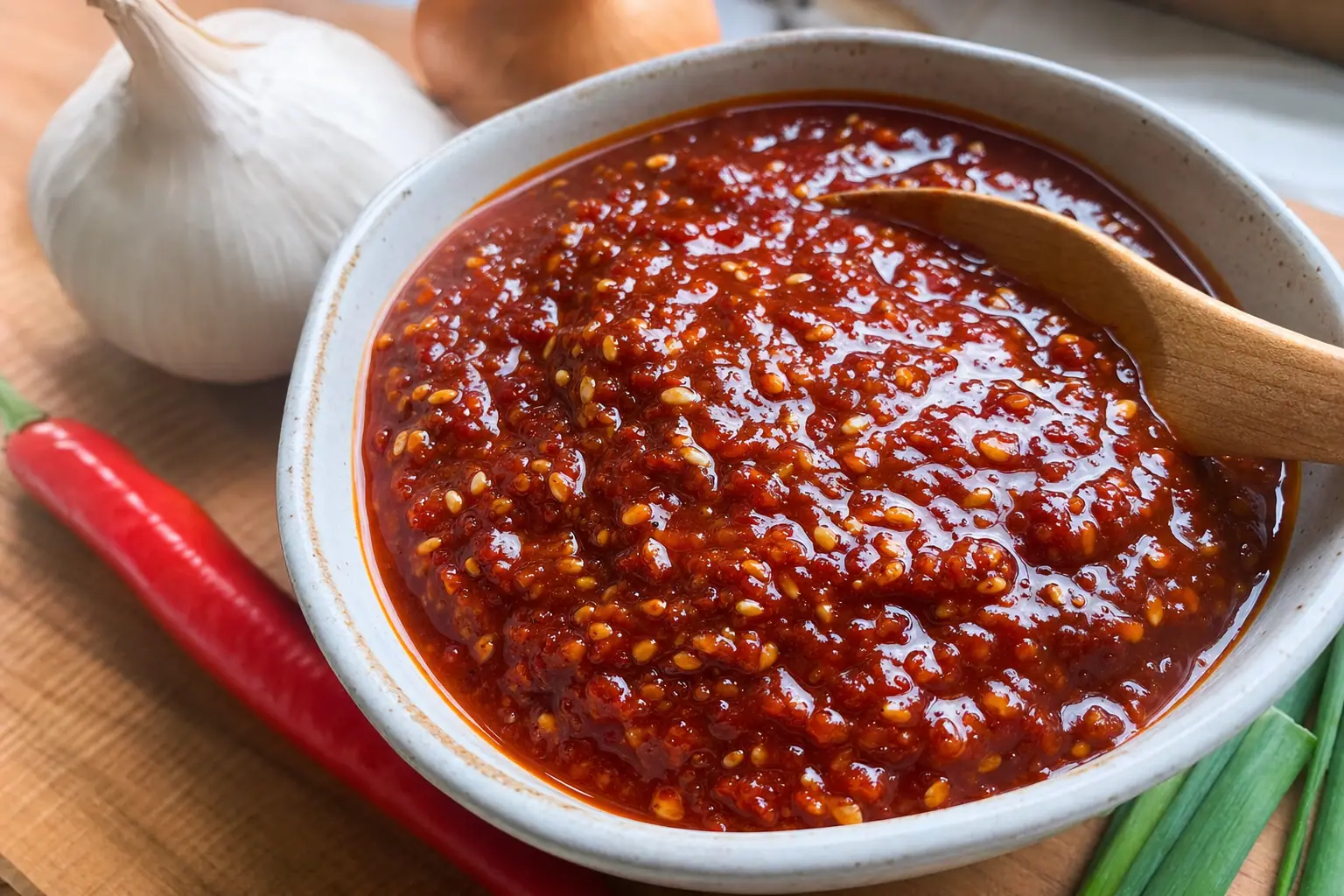
Korean BBQ Sauce
This glossy Korean-style BBQ sauce is sweet, savory, garlicky, and a little spicy. Brush it on grilled meats, spoon it over rice bowls, or use it as a quick marinade when dinner needs more flavor.
 Vegan Recipes
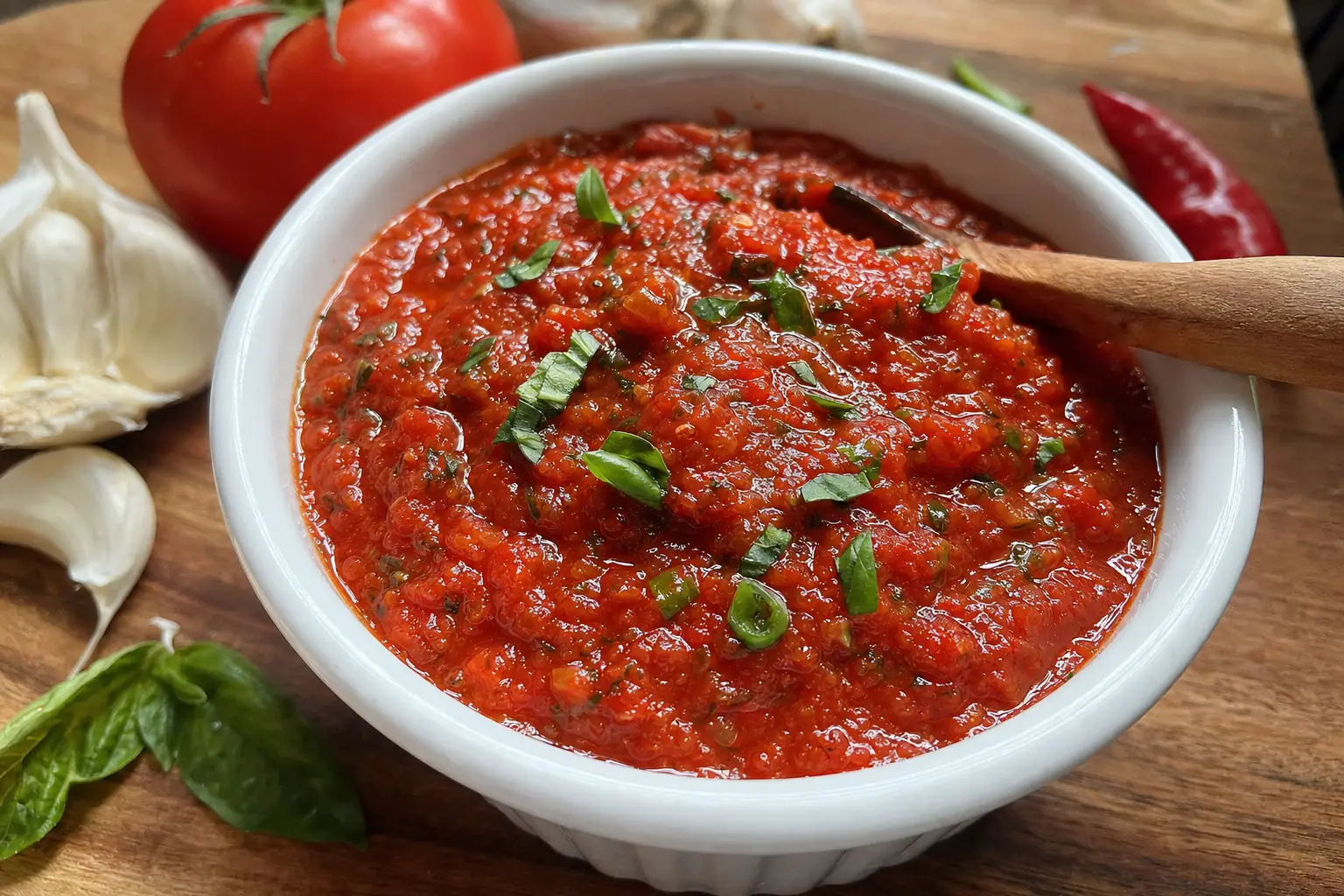
Marinara Sauce
This simple marinara sauce is bright, garlicky, and built from pantry staples. Use it for pasta, pizza, meatballs, baked eggplant, or anywhere you want a clean tomato sauce.
 Vegan Recipes
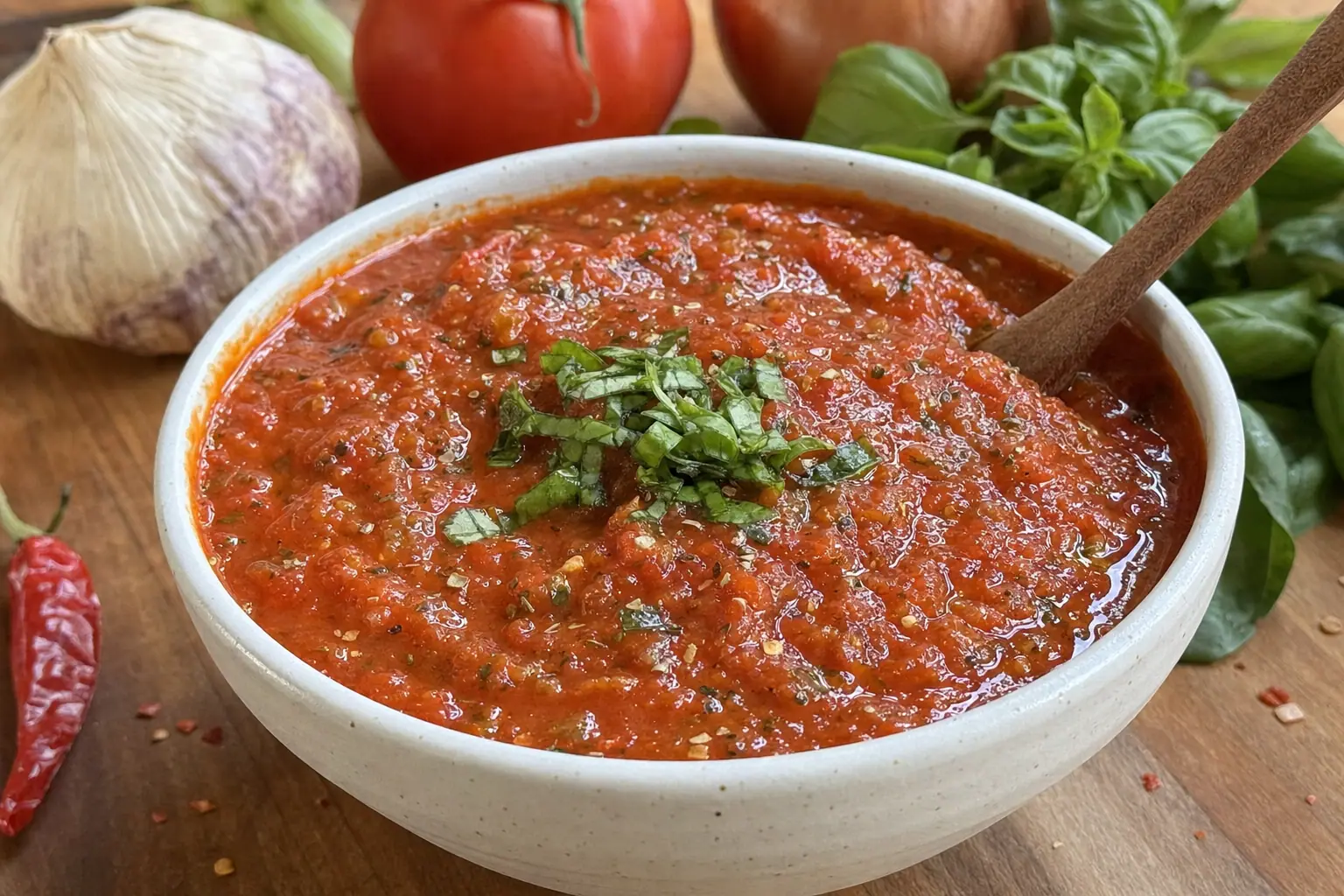
Simple Marinara Sauce
This bright, garlicky marinara is the kind of sauce you can make on a weeknight with pantry ingredients. Use it for pasta, pizza, meatballs, baked eggs, or a quick dipping sauce.
 Vegan Recipes
Satay Sauce
This creamy satay sauce is rich with peanuts, coconut milk, lime, ginger, and a little curry paste. Spoon it over grilled skewers, noodles, rice bowls, roasted vegetables, or use it as a dip for crisp cucumber and spring