
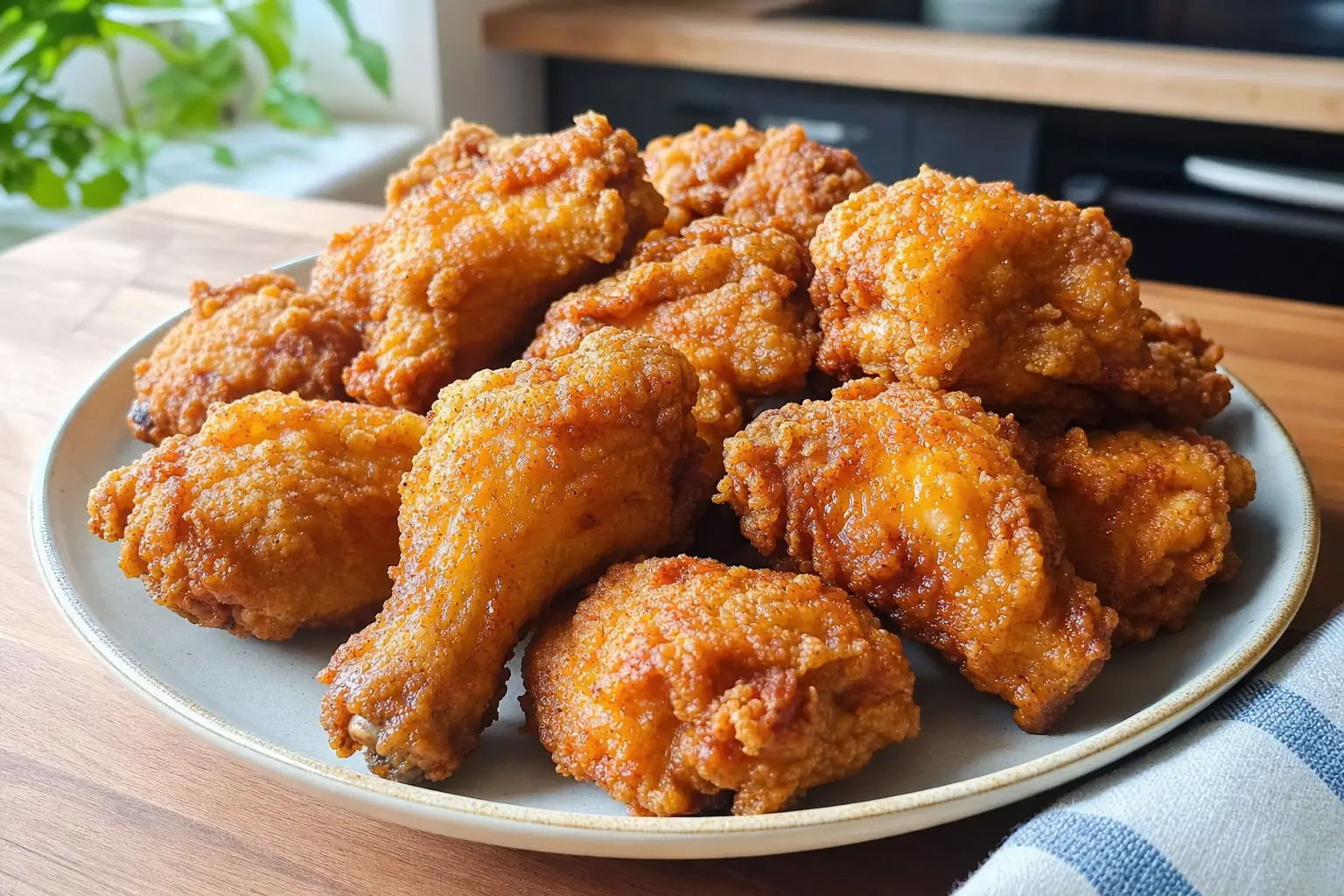
Crispy Fried Chicken
This classic fried chicken is soaked in seasoned buttermilk, coated in a peppery flour mix, and fried until crisp outside and juicy inside. It takes a little planning, but the steps are simple and very doable at home.
Total
65 min
Servings
4 to 6 servings
Level
Medium
Fried chicken is the kind of dinner that rewards patience. A buttermilk soak seasons the meat, helps it stay tender, and gives the flour coating something to cling to.
The key is steady oil temperature. Too hot, and the crust browns before the chicken cooks through. Too cool, and the coating can turn greasy. A clip-on or instant-read thermometer makes the job much easier.
This recipe uses bone-in chicken pieces for flavor and juiciness. Serve them warm with slaw, biscuits, mashed potatoes, pickles, or a simple green salad.
01What you'll need
Ingredients
14 items · 4 to 6 servings
- 3 to 3 1/2 pounds bone-in, skin-on chicken pieces, such as thighs, drumsticks, and breasts
- 2 cups buttermilk
- 2 teaspoons kosher salt, plus more for finishing
- 1 teaspoon black pepper
- 1 teaspoon hot sauce, optional
- 2 cups all-purpose flour
- 1/2 cup cornstarch
- 1 tablespoon paprika
- 2 teaspoons garlic powder
- 2 teaspoons onion powder
- 1 teaspoon dried thyme
- 1 teaspoon baking powder
- 1/2 teaspoon cayenne pepper, optional
- Neutral oil for frying, such as peanut, canola, or vegetable oil, about 6 to 8 cups
02How to make it
Step-by-step
1. Season the buttermilk
In a large bowl, whisk together the buttermilk, 2 teaspoons kosher salt, black pepper, and hot sauce, if using. Buttermilk is slightly tangy and helps tenderize the chicken while it rests.
2. Soak the chicken
Add the chicken pieces to the bowl and turn them to coat. Cover and refrigerate for at least 4 hours, or up to overnight. If you are short on time, a 1-hour soak still helps, but the flavor will be lighter.
3. Mix the coating
In a wide shallow dish, whisk together the flour, cornstarch, paprika, garlic powder, onion powder, thyme, baking powder, cayenne, and a small pinch of salt. Cornstarch helps make the crust crisp, and baking powder adds a little extra lift.
4. Dredge the chicken
Lift each piece of chicken from the buttermilk and let the extra drip off. Press it firmly into the flour mixture, turning to coat all sides. For a thicker crust, dip it briefly back into the buttermilk, then into the flour again.
5. Rest the coated chicken
Place the coated chicken on a wire rack set over a baking sheet. Let it rest for 15 to 20 minutes while you heat the oil. This helps the coating hydrate, which means it is less likely to fall off in the pan.
6. Heat the oil
Pour oil into a large heavy pot, Dutch oven, or deep cast-iron skillet to a depth of about 2 inches. Heat over medium heat to 350°F. Do not fill the pot more than halfway with oil, as the level rises when chicken is added.
7. Fry in batches
Carefully lower a few chicken pieces into the hot oil, skin-side down if possible. Do not crowd the pot. Fry, turning every few minutes, until deep golden brown and cooked through, about 12 to 16 minutes for drumsticks and thighs and 14 to 18 minutes for large breasts. Adjust the heat to keep the oil around 325°F to 350°F.
8. Check for doneness
Transfer the chicken to a clean wire rack set over a baking sheet. Check the thickest part of each piece with an instant-read thermometer. Chicken is safe to eat at 165°F; dark meat is often juicier around 175°F to 185°F.
9. Season and rest
While the crust is still hot, sprinkle the chicken lightly with salt. Let it rest for 5 to 10 minutes before serving so the juices settle and the crust stays crisp.
03From our kitchen
Cook's tips
- Make ahead: You can soak the chicken in buttermilk up to 24 hours ahead. You can also mix the dry coating a few days ahead and store it in an airtight container.
- Storage: Refrigerate leftover fried chicken in a covered container for up to 3 days. Let it cool before covering, but do not leave it at room temperature for more than 2 hours.
- Reheating: For the crispest leftovers, reheat on a wire rack in a 375°F oven or air fryer until hot, about 12 to 18 minutes. Microwaving works, but the crust will soften.
- Chicken swaps: Bone-in thighs and drumsticks are the most forgiving. Boneless chicken breasts or tenders cook faster, usually 5 to 8 minutes depending on size, so check the temperature early.
- No buttermilk: Stir 2 tablespoons lemon juice or white vinegar into 2 cups whole milk. Let it stand for 5 minutes before using. It will not be as thick as buttermilk, but it works well.
- Oil temperature tip: If the crust gets dark too fast, lower the heat and move the chicken to a 325°F oven to finish cooking. If the coating tastes oily, the oil was probably too cool or the pan was crowded.
Cook's note
Use a thermometer for both the oil and the chicken if you can. It removes most of the guesswork and makes frying safer. After frying, let the oil cool completely, then strain and reuse it once or twice for savory frying, or discard it in a sealed container. Do not pour used oil down the sink.
04Frequently asked
Questions & answers
Why did the coating fall off my fried chicken?
The coating often falls off when the chicken is too wet, the flour is not pressed on firmly, or the coated pieces do not rest before frying. Let extra buttermilk drip off, pack the flour onto the chicken, and rest the coated pieces for 15 to 20 minutes.
Can I make fried chicken without a deep fryer?
Yes. A Dutch oven, heavy pot, or deep cast-iron skillet works well. Use about 2 inches of oil and leave plenty of space at the top of the pot. A heavy pan holds heat better and helps the oil temperature stay steady.
What oil is good for frying chicken?
Use a neutral oil with a high smoke point, such as peanut, canola, vegetable, or sunflower oil. Avoid butter or extra-virgin olive oil for deep frying because they can burn at high temperatures.
How do I know when fried chicken is done?
The safest way is to use an instant-read thermometer. Insert it into the thickest part of the meat without touching bone. The chicken should reach at least 165°F. Dark meat can go higher and still stay juicy.
Can I bake this instead of frying?
You can, but the texture will be different. Place the coated chicken on a greased wire rack over a baking sheet, spray or drizzle with oil, and bake at 425°F until cooked through. It will be crisp in spots, but not the same as pan-fried chicken.
05Keep cooking
You might also like
 Dinner
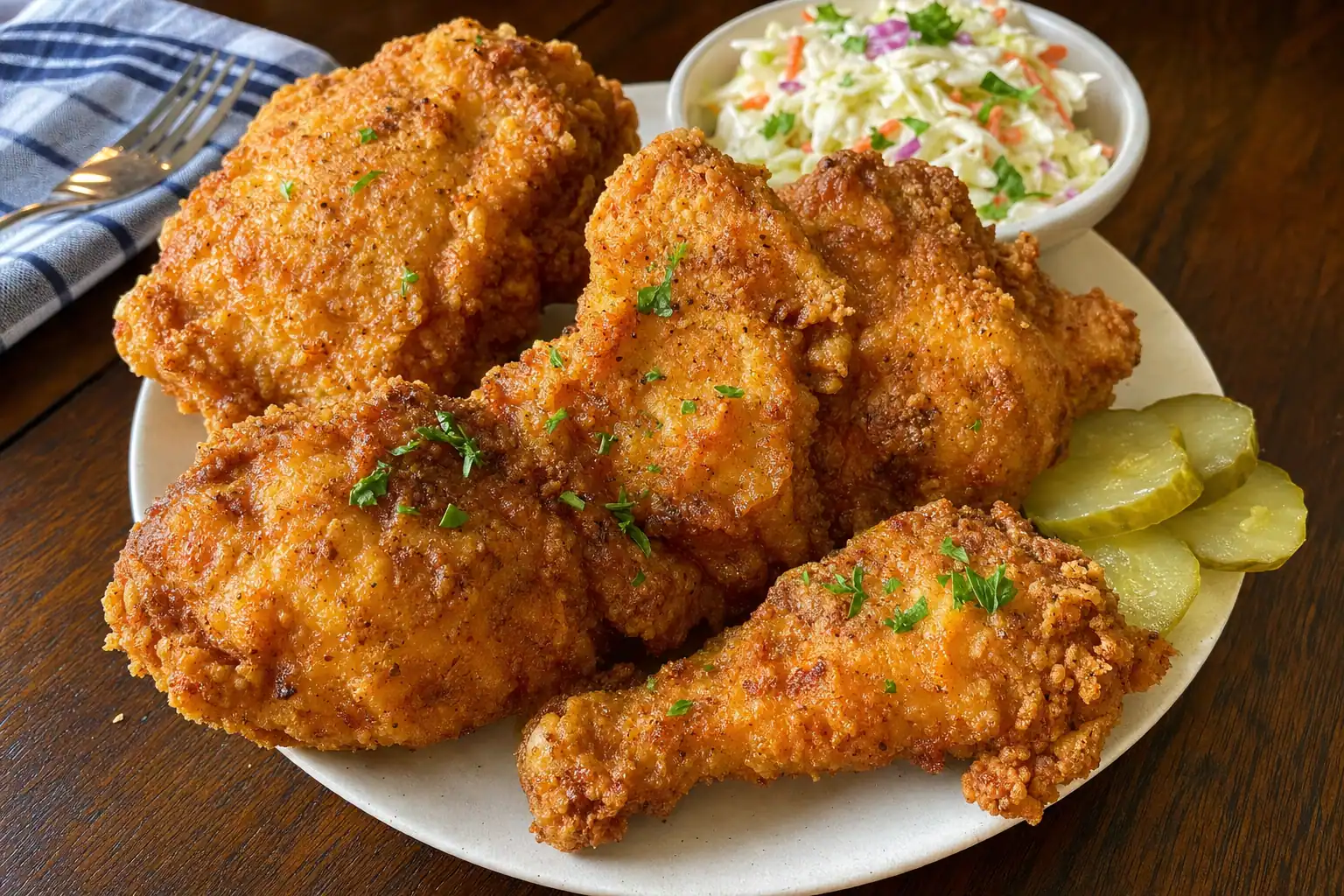
Buttermilk Fried Chicken
A tangy buttermilk soak makes this fried chicken juicy, while a seasoned flour coating fries up craggy and crisp. It is a weekend-style recipe, but each step is simple and manageable at home.
 Dinner
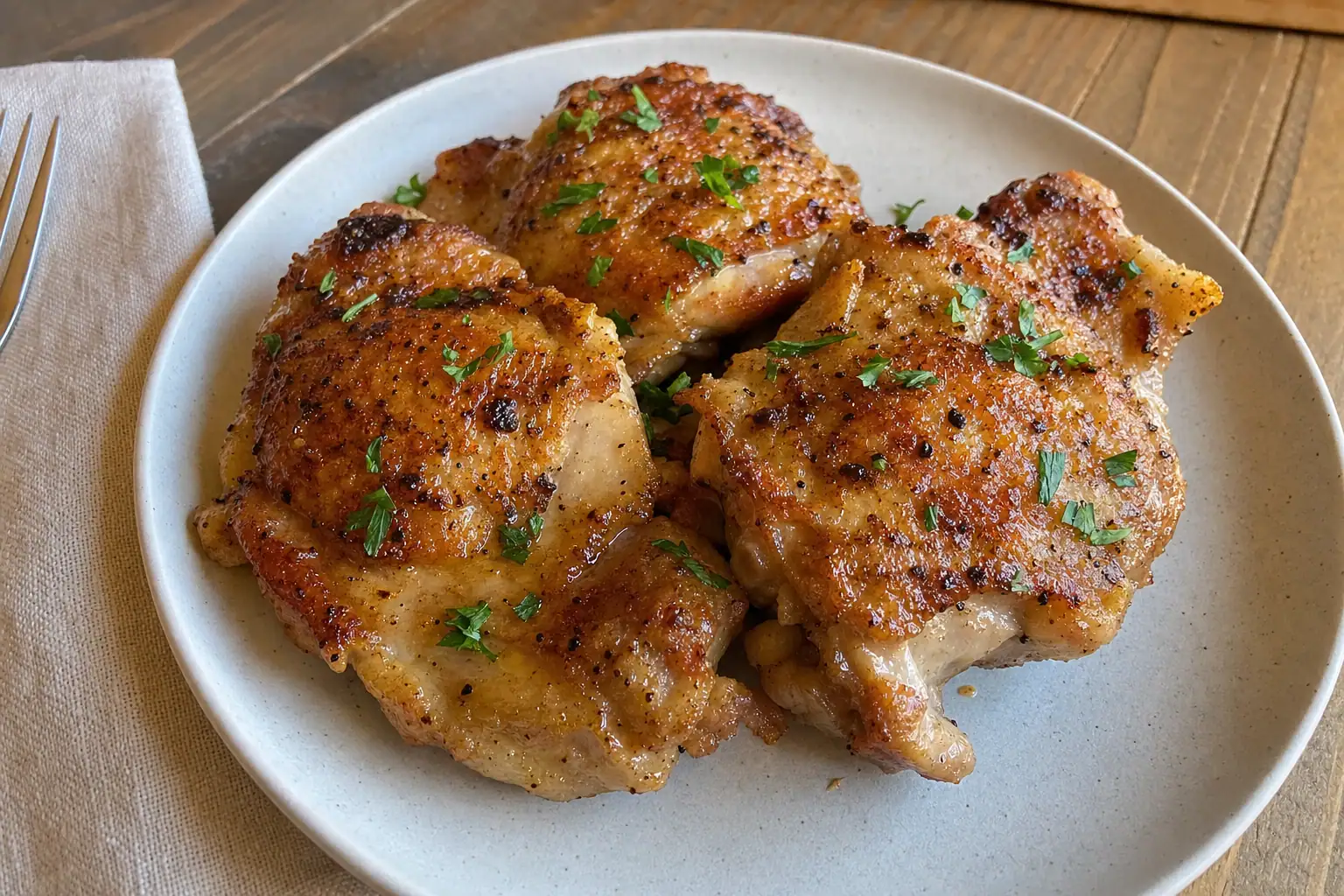
Crispy Oven-Baked Chicken Thighs
These bone-in chicken thighs bake up juicy inside with crisp, well-seasoned skin. It is a simple dinner recipe that works with rice, potatoes, salad, or whatever vegetables you have on hand.
 Dinner
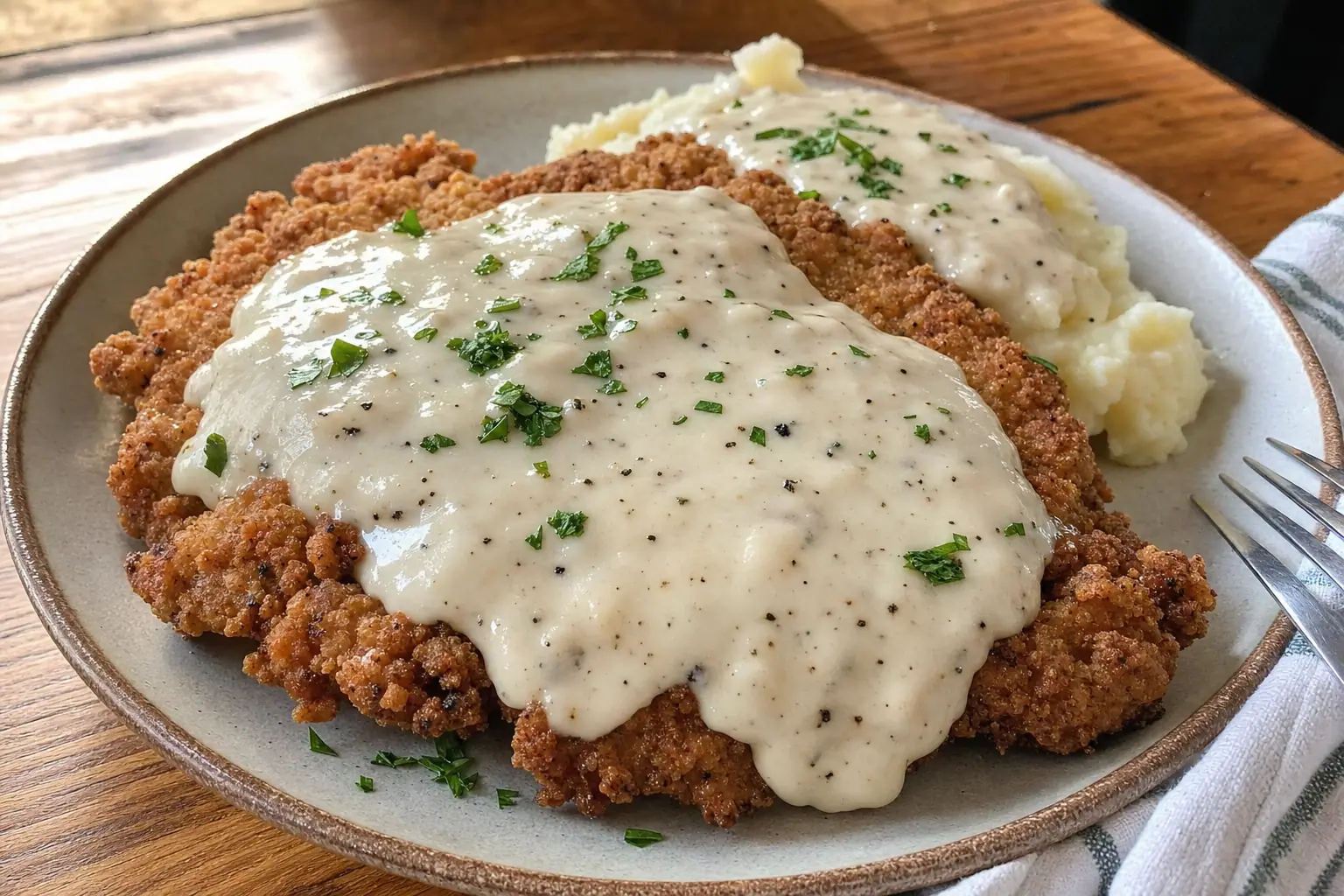
Country Fried Steak
Tender cube steaks get a seasoned flour crust, a quick pan-fry, and a blanket of creamy pepper gravy. This is a cozy Southern-style dinner that feels special but uses simple grocery-store ingredients.
 Dinner
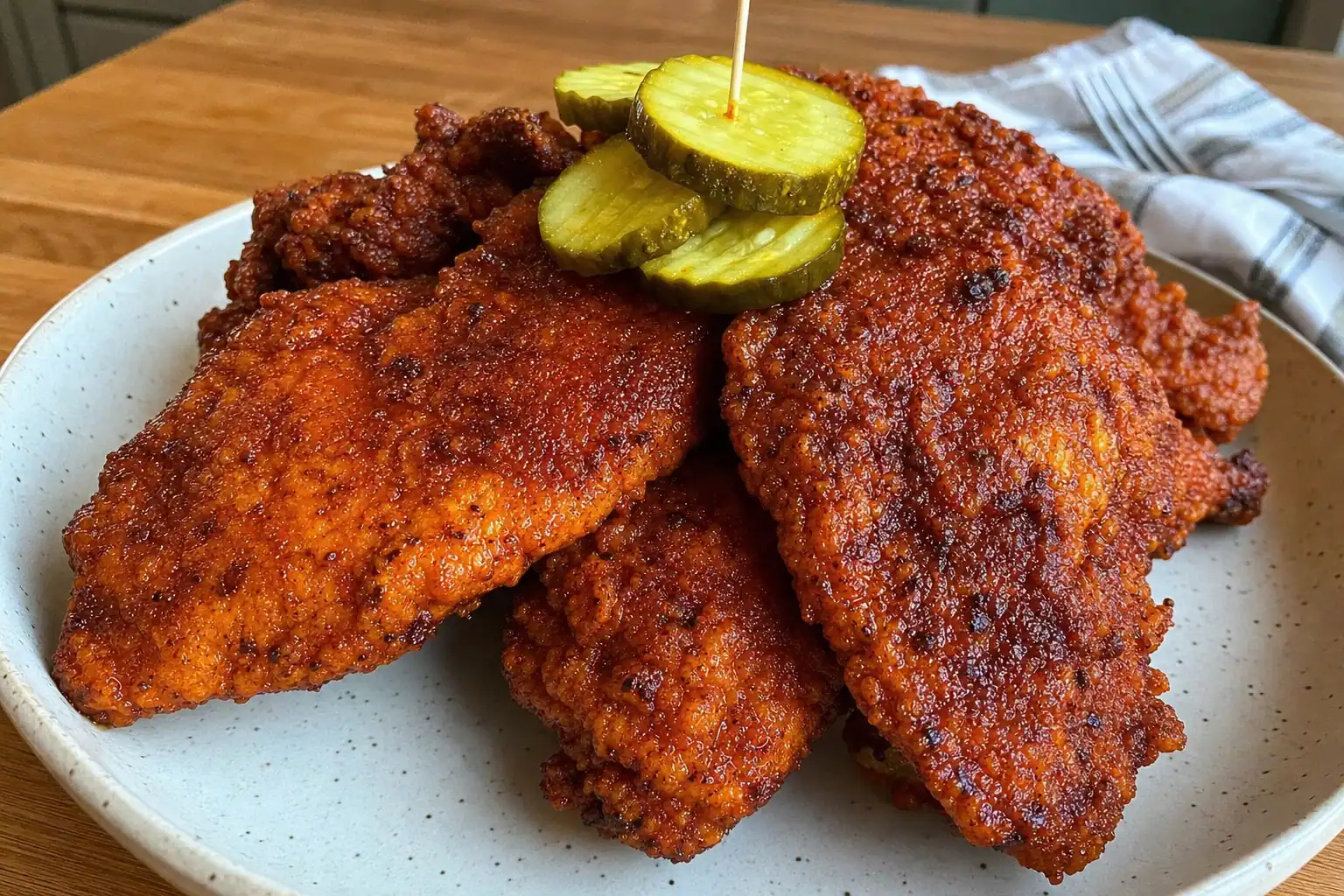
Nashville Hot Chicken
Crisp fried chicken gets brushed with a cayenne-spiced oil for the classic Nashville-style kick. Serve it on white bread with pickles to catch every spicy drip.