
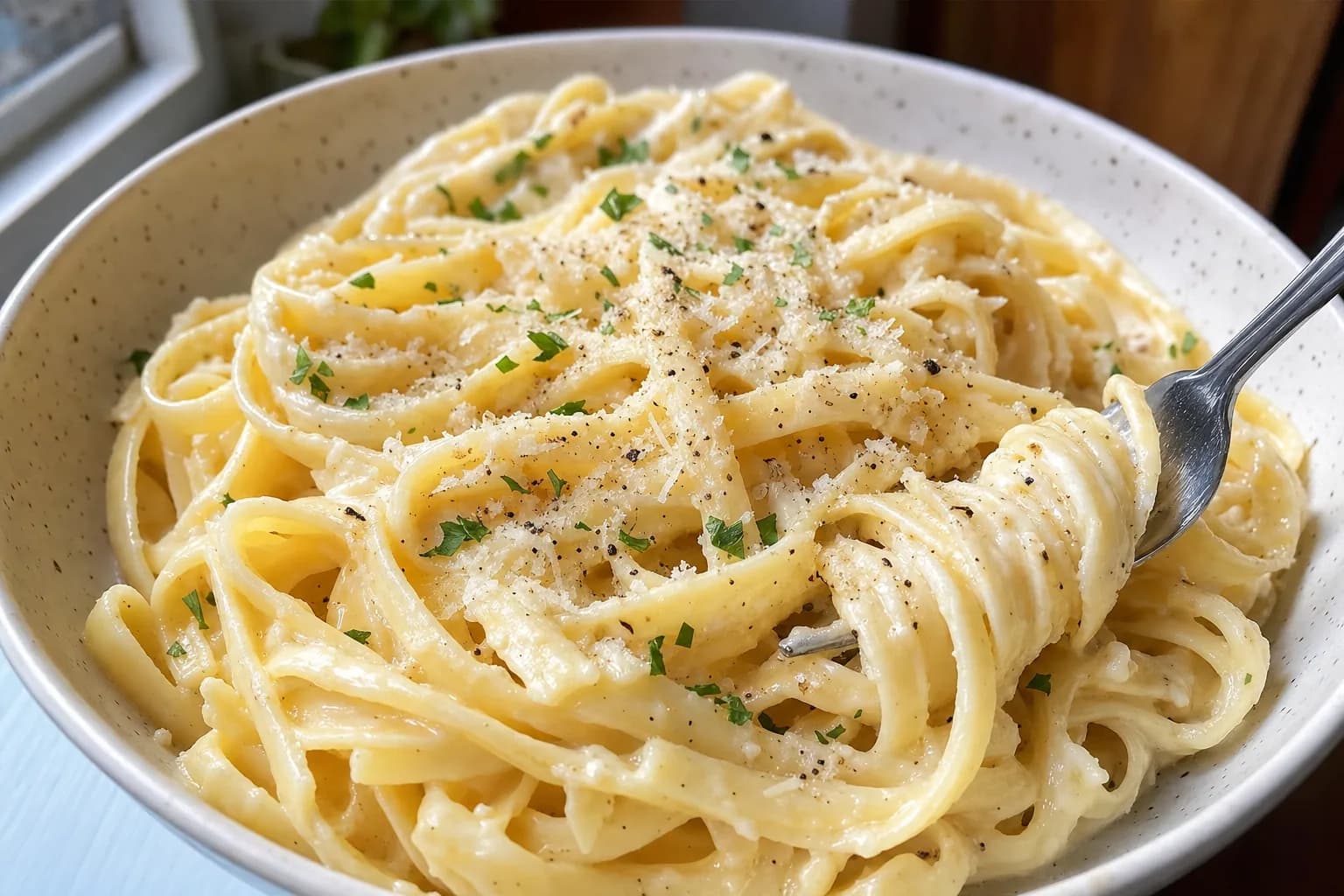
Fettuccine Alfredo
Silky fettuccine Alfredo needs only a few good ingredients: pasta, butter, Parmesan, and starchy pasta water. The trick is gentle heat and a little patience while the sauce turns glossy.
Total
25 min
Servings
4 servings
Level
Easy
Fettuccine Alfredo is a simple pasta dish with a rich, creamy texture, even when there is no cream in the pan. The sauce comes together when warm butter, finely grated Parmesan, and starchy pasta water blend into a smooth coating for the noodles.
The dish is quick enough for a weeknight, but it does ask for your attention at the stove. Have the cheese grated and the butter ready before the pasta is done, because the sauce works best while everything is hot.
This version keeps the ingredient list short and classic. If you prefer the American-style version with cream, there is a tip for that below.
01What you'll need
Ingredients
7 items · 4 servings
- 12 ounces fettuccine
- 1 tablespoon kosher salt, for the pasta water, plus more to taste
- 6 tablespoons unsalted butter, cut into pieces
- 1 1/2 cups finely grated Parmigiano-Reggiano or Parmesan cheese, plus more for serving
- 1/2 teaspoon freshly ground black pepper, plus more for serving
- 1/2 to 3/4 cup reserved hot pasta water
- Small pinch of ground nutmeg, optional
02How to make it
Step-by-step
1. Bring the water to a boil
Fill a large pot with water and bring it to a boil over high heat. Add the kosher salt. The water should taste seasoned, but not as salty as the sea, since the cheese will add more salt later.
2. Grate the cheese finely
While the water heats, grate the Parmesan on the small holes of a box grater or with a microplane. Finely grated cheese melts faster and makes a smoother sauce. Avoid pre-shredded cheese if you can, because it often contains starches that can make the sauce grainy.
3. Cook the pasta
Add the fettuccine to the boiling water and cook until al dente, which means tender but still slightly firm in the center. Follow the package time, then start checking 1 minute early.
4. Save the pasta water
Before draining, scoop out at least 1 cup of the hot pasta water. This water is full of starch from the pasta, and it helps the butter and cheese turn into a sauce. Drain the pasta, but do not rinse it.
5. Melt the butter gently
Return the empty pot to low heat or use a large warm skillet. Add the butter and let it melt. Do not brown it. If the pan seems too hot, take it off the heat for a moment.
6. Toss in the pasta
Add the drained fettuccine to the melted butter. Toss with tongs until the noodles are well coated. Add 1/4 cup of the reserved hot pasta water and toss again.
7. Add the cheese off the heat
Turn off the heat. Sprinkle in the grated Parmesan a handful at a time, tossing constantly after each addition. Add more hot pasta water, a splash at a time, until the sauce looks glossy and lightly coats the noodles.
8. Season and serve
Add the black pepper and the optional pinch of nutmeg. Taste before adding more salt, because Parmesan can be salty. Serve right away with extra cheese and pepper.
03From our kitchen
Cook's tips
- Make-ahead: Fettuccine Alfredo is at its smoothest right after cooking. If you want to prep ahead, grate the cheese and cut the butter earlier in the day, then cook the pasta just before serving.
- Storage: Refrigerate leftovers in an airtight container for up to 3 days. The sauce will thicken as it chills.
- Reheating: Warm leftovers gently in a skillet over low heat with a splash of water, milk, or cream. Toss often. High heat can make the cheese separate and turn oily.
- Cheese swap: Parmigiano-Reggiano gives the deepest flavor, but a good domestic Parmesan works too. Pecorino Romano is saltier and sharper, so use a little less and taste before salting.
- Creamy variation: For an American-style Alfredo, warm 1/3 cup heavy cream with the butter before adding the pasta. You may need less pasta water.
- Add-ins: Cooked chicken, shrimp, peas, or steamed broccoli all work well. Add them at the end so they warm through without overcooking the sauce.
Cook's note
If your Alfredo looks clumpy, the pan was likely too hot or the cheese was added too quickly. Take the pan off the heat, add a splash of hot pasta water, and toss firmly with tongs. The sauce may loosen and smooth out as the cheese warms more gently.
04Frequently asked
Questions & answers
Why did my Alfredo sauce turn grainy?
The most common causes are heat that is too high, cheese that is not grated finely enough, or pre-shredded cheese. Add the Parmesan off the heat and toss with hot pasta water until smooth.
Can I make fettuccine Alfredo without cream?
Yes. This recipe does not use cream. Butter, Parmesan, and starchy pasta water create the creamy texture. Cream is optional if you like a richer American-style sauce.
What pasta can I use instead of fettuccine?
Tagliatelle, linguine, or spaghetti can work. Wider noodles are especially good because they hold the buttery cheese sauce well.
How much pasta water should I add?
Start with 1/4 cup, then add more a splash at a time. You may use 1/2 cup or more, depending on the pasta and cheese. The sauce should be glossy, not watery.
Can I double the recipe?
Yes, but use a very large pot or skillet so you have room to toss the pasta well. Add the cheese gradually and keep extra hot pasta water nearby to loosen the sauce.
05Keep cooking
You might also like
 Dinner
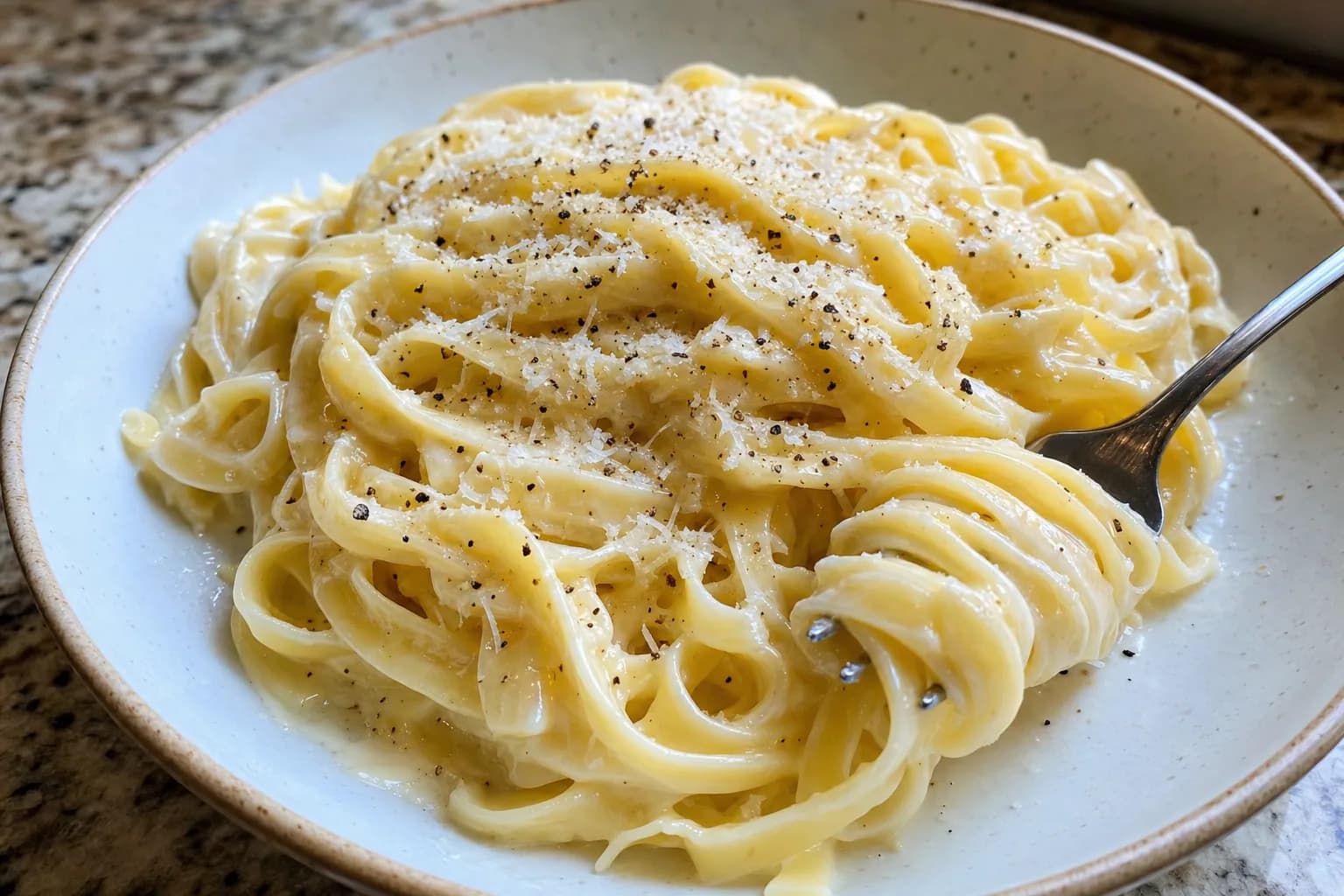
Fettuccine Alfredo
Silky, buttery fettuccine Alfredo is a simple pasta dinner built from a few good ingredients. This version uses butter, Parmesan, and a splash of cream for a smooth sauce that is friendly for home kitchens.
 Dinner
Creamy Polenta
Whip up this comforting and versatile dish in no time with just a few simple ingredients.
 Dinner
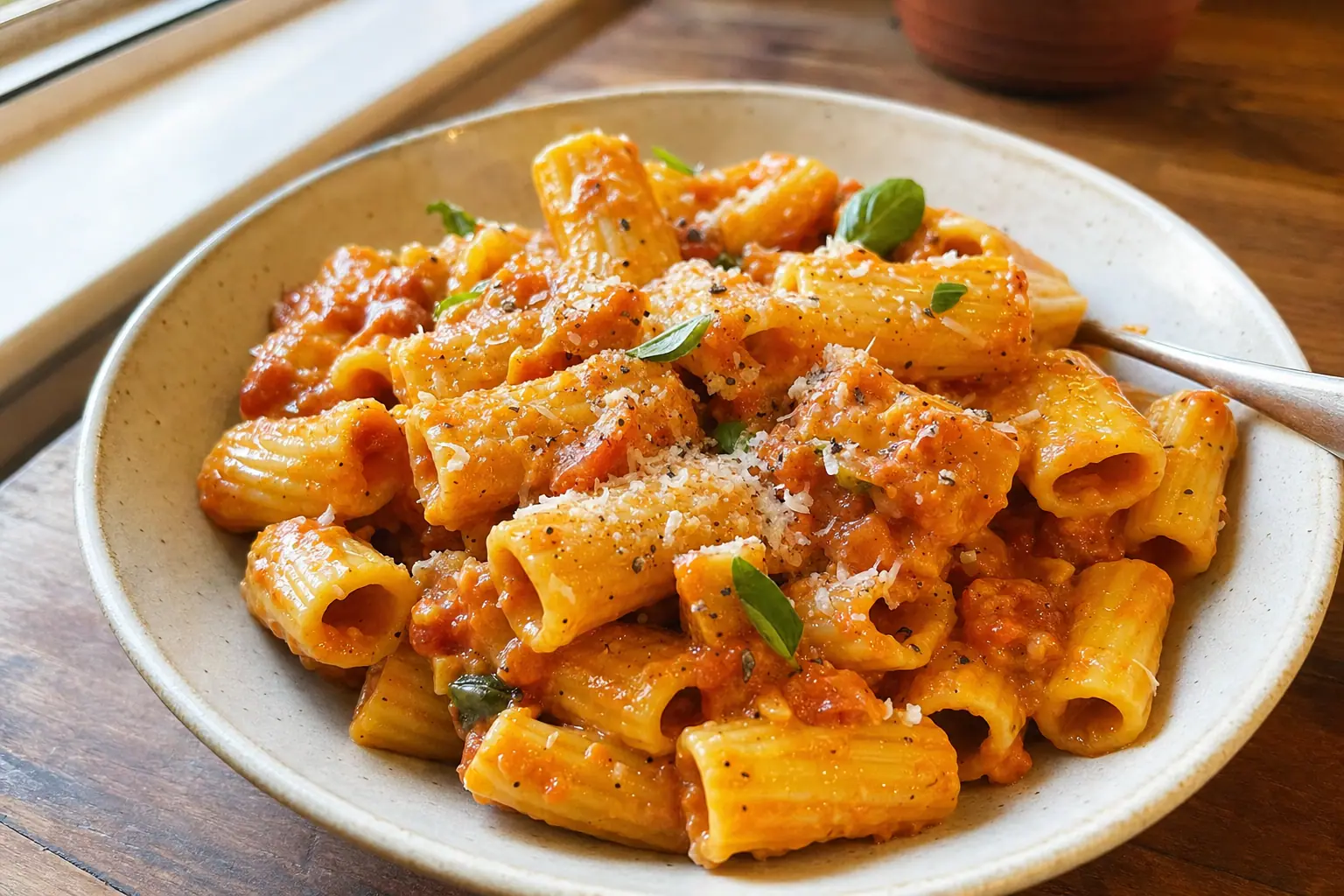
Rigatoni with Sausage Tomato Sauce
This cozy rigatoni recipe pairs sturdy pasta tubes with a simple tomato sauce, Italian sausage, garlic, and pecorino. It is weeknight-friendly, but it tastes like something you let simmer much longer.
 Dinner
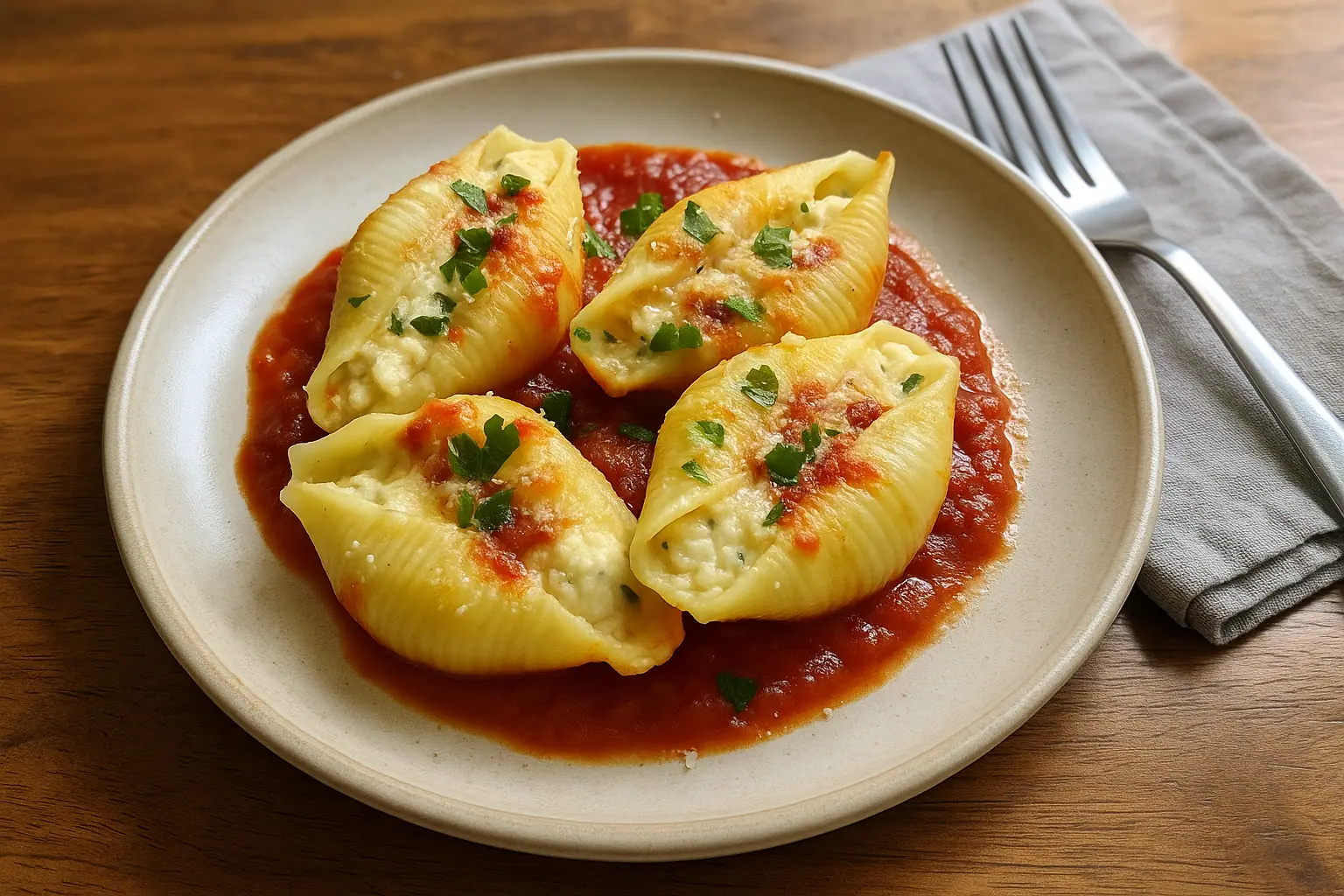
Classic Stuffed Shells
A comforting Italian classic that's perfect for family dinners or casual get-togethers.