
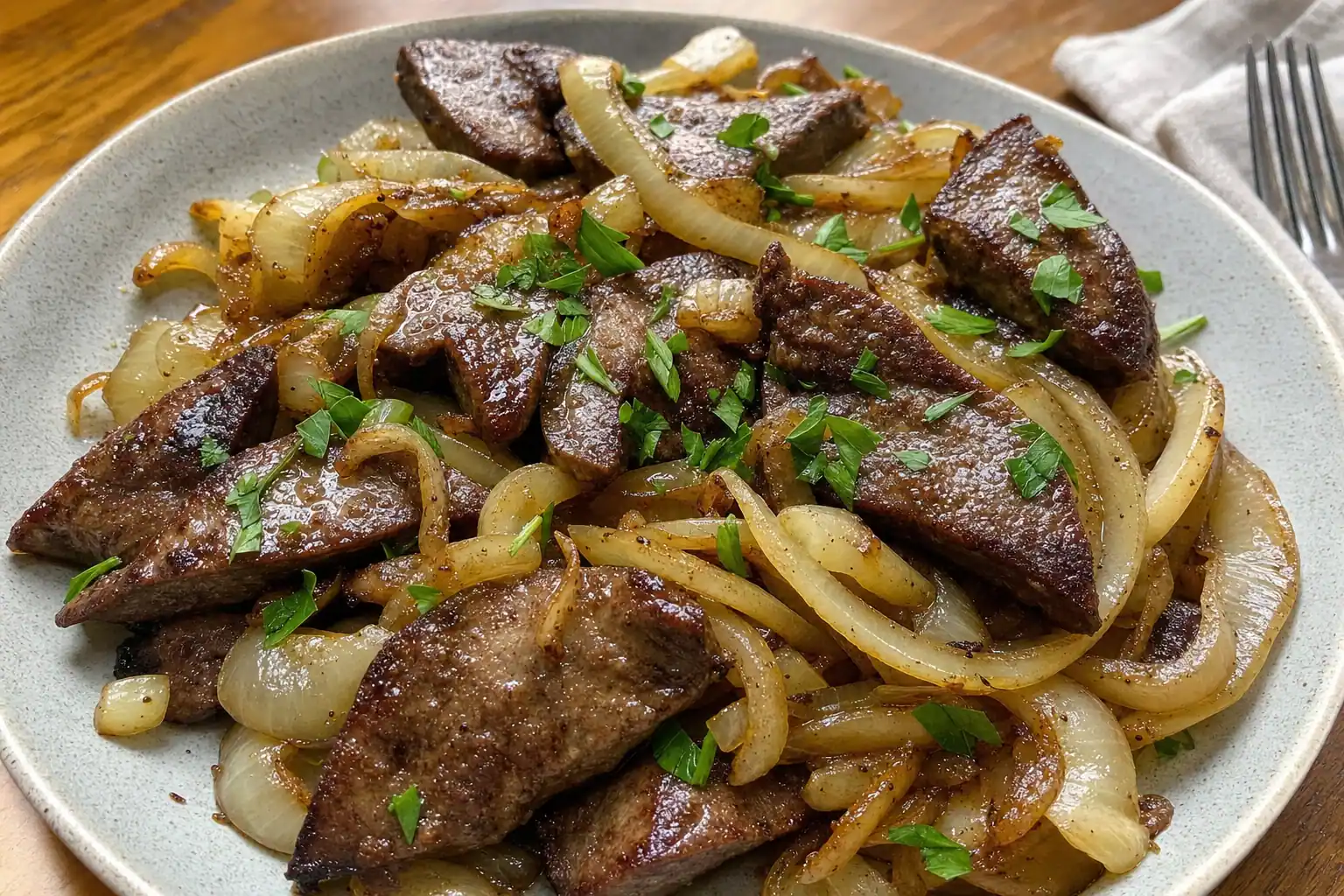
Liver and Onions
Tender pan-fried liver with sweet, soft onions is a classic comfort dish that cooks quickly once the prep is done. A short soak in milk helps mellow the flavor, while a light flour coating gives the liver a delicate sear
Total
45 min
Servings
4 servings
Level
Easy
Liver and onions is an old-school dinner with a lot of character. The onions cook slowly until sweet and golden, then thin slices of liver are seared in the same pan for a rich, savory meal.
If you are new to cooking liver, the main thing to know is that it cooks fast. Thin slices and a hot pan help keep it tender, while overcooking can make it dry and strong-tasting.
Many cooks soak liver in milk before cooking. This step is optional, but it can soften the flavor, especially with beef liver. Serve the dish with mashed potatoes, buttered noodles, or a crisp green salad.
01What you'll need
Ingredients
12 items · 4 servings
- 1 1/2 pounds beef or calf liver, sliced about 1/4 inch thick
- 1 cup whole milk, for soaking, optional
- 2 large yellow onions, thinly sliced
- 3 tablespoons all-purpose flour
- 1 teaspoon kosher salt, divided, plus more to taste
- 1/2 teaspoon black pepper, plus more to taste
- 1/2 teaspoon paprika, optional
- 3 tablespoons unsalted butter, divided
- 2 tablespoons neutral oil, such as canola or vegetable oil, divided
- 1/2 cup beef broth or water
- 1 teaspoon Worcestershire sauce, optional
- 1 tablespoon chopped fresh parsley, optional, for serving
02How to make it
Step-by-step
1. Soak the liver
Place the liver slices in a shallow dish and pour the milk over them, if using. Let them soak in the refrigerator for 30 minutes to 1 hour. This can help mellow the flavor. Drain the liver and pat it very dry with paper towels before cooking.
2. Season the flour
In a wide shallow bowl, mix the flour with 1/2 teaspoon salt, 1/2 teaspoon black pepper, and the paprika, if using. Set it near the stove so you can coat the liver just before it goes into the pan.
3. Cook the onions
Heat 1 tablespoon butter and 1 tablespoon oil in a large skillet over medium heat. Add the sliced onions and 1/4 teaspoon salt. Cook, stirring often, for 15 to 20 minutes, until the onions are soft and golden. Lower the heat if they brown too fast.
4. Move the onions aside
Transfer the onions to a plate. Do not wipe out the skillet. The browned bits in the pan add flavor to the liver and the quick pan sauce.
5. Coat the liver
Dip each dry liver slice into the seasoned flour and shake off the extra. A thin coating is enough. Too much flour can turn pasty in the pan.
6. Sear the liver
Add 1 tablespoon butter and 1 tablespoon oil to the skillet and heat over medium-high heat. When the butter foams, add the liver in a single layer. Cook in batches if needed so the pan is not crowded. Sear for 1 1/2 to 3 minutes per side, depending on thickness, until browned and cooked to 160°F in the center.
7. Make a quick sauce
Transfer the liver to a warm plate. Add the broth or water and Worcestershire sauce, if using, to the skillet. Scrape the bottom of the pan with a wooden spoon to loosen the browned bits. Simmer for 1 to 2 minutes.
8. Finish and serve
Return the onions to the skillet and stir them into the sauce. Add the remaining 1 tablespoon butter and taste for salt and pepper. Spoon the onions and sauce over the liver. Sprinkle with parsley, if you like, and serve right away.
03From our kitchen
Cook's tips
- For a milder flavor, choose calf liver instead of beef liver. Calf liver is usually more delicate and tender.
- If using frozen liver, thaw it overnight in the refrigerator. Pat it very dry before soaking or dredging so it browns instead of steaming.
- Do not crowd the skillet. Liver releases moisture as it cooks, and a crowded pan can make it gray and tough instead of nicely seared.
- To make ahead, cook the onions up to 2 days in advance and refrigerate them. Rewarm them in the skillet before cooking the liver fresh.
- Store leftovers in an airtight container in the refrigerator for up to 3 days. Reheat gently in a covered skillet over low heat with a splash of broth or water.
- Liver is easiest to enjoy right after cooking. Reheating can firm it up, so warm it only until heated through rather than cooking it again hard.
Cook's note
Ask your butcher for liver sliced about 1/4 inch thick. Thin slices cook evenly and are less likely to turn chewy. If your slices are thicker, reduce the heat slightly and cook a little longer, checking the center with an instant-read thermometer.
04Frequently asked
Questions & answers
Do I have to soak liver in milk?
No. Soaking is optional. It can mellow the flavor and draw out some of the strong taste, especially in beef liver. If you like a more pronounced liver flavor, you can skip it.
How do I know when liver is done?
The safest way is to use an instant-read thermometer. Beef or calf liver should reach 160°F in the center. It should be browned outside and just cooked through inside, not hard or dry.
Why did my liver turn tough?
It was probably overcooked or cooked in a crowded pan. Liver cooks very quickly. Use medium-high heat, cook thin slices for only a few minutes, and work in batches if your skillet is small.
Can I use chicken liver for this recipe?
You can use the same onion method, but chicken livers are smaller and more delicate. Trim them well, skip the flour if you prefer, and cook them until they reach 165°F.
What should I serve with liver and onions?
Mashed potatoes are the classic choice because they soak up the onion sauce. Buttered egg noodles, rice, roasted carrots, green beans, or a sharp salad also work well.
05Per serving
Nutrition facts
Nutrition Facts
4 servings
Amount per serving
% Daily Value*
- Total Fat43 g
- 55%
- Saturated Fat17 g
- 87%
- Cholesterol182 mg
- 61%
- Sodium798 mg
- 35%
- Total Carbohydrate13 g
- 5%
- Dietary Fiber1.2 g
- 4%
- Total Sugars5.5 g
- Protein48 g
- 97%
* Percent Daily Values are based on a 2,000-calorie diet. Values are estimated from the ingredient list; actual amounts vary with brands, portion sizes, and substitutions.
05Keep cooking
You might also like
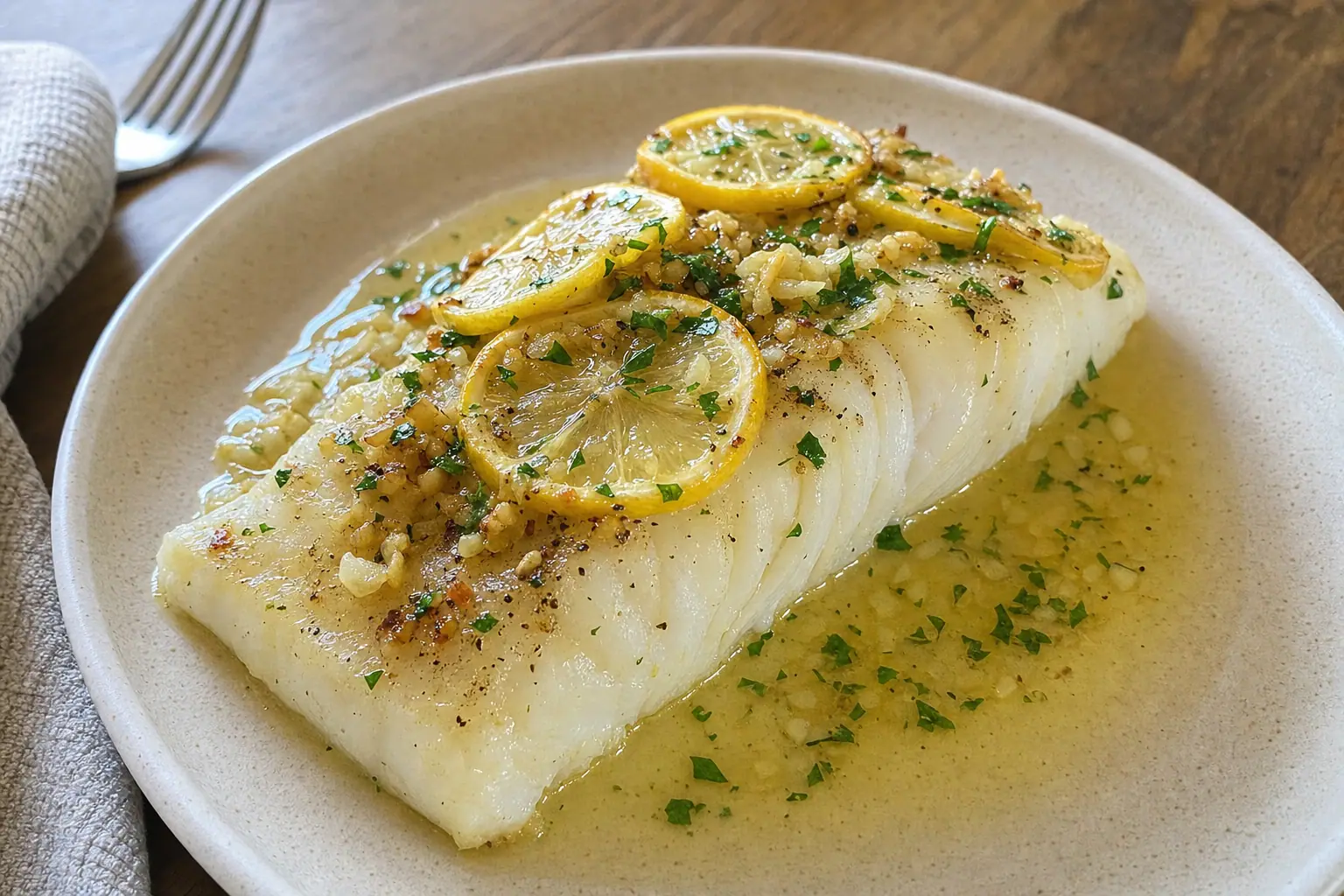 Dinner
Simple Baked Cod with Lemon and Garlic
This easy baked cod is tender, flaky, and bright with lemon, garlic, and a little butter. It is a quick weeknight dinner that feels fresh without asking much of the cook.
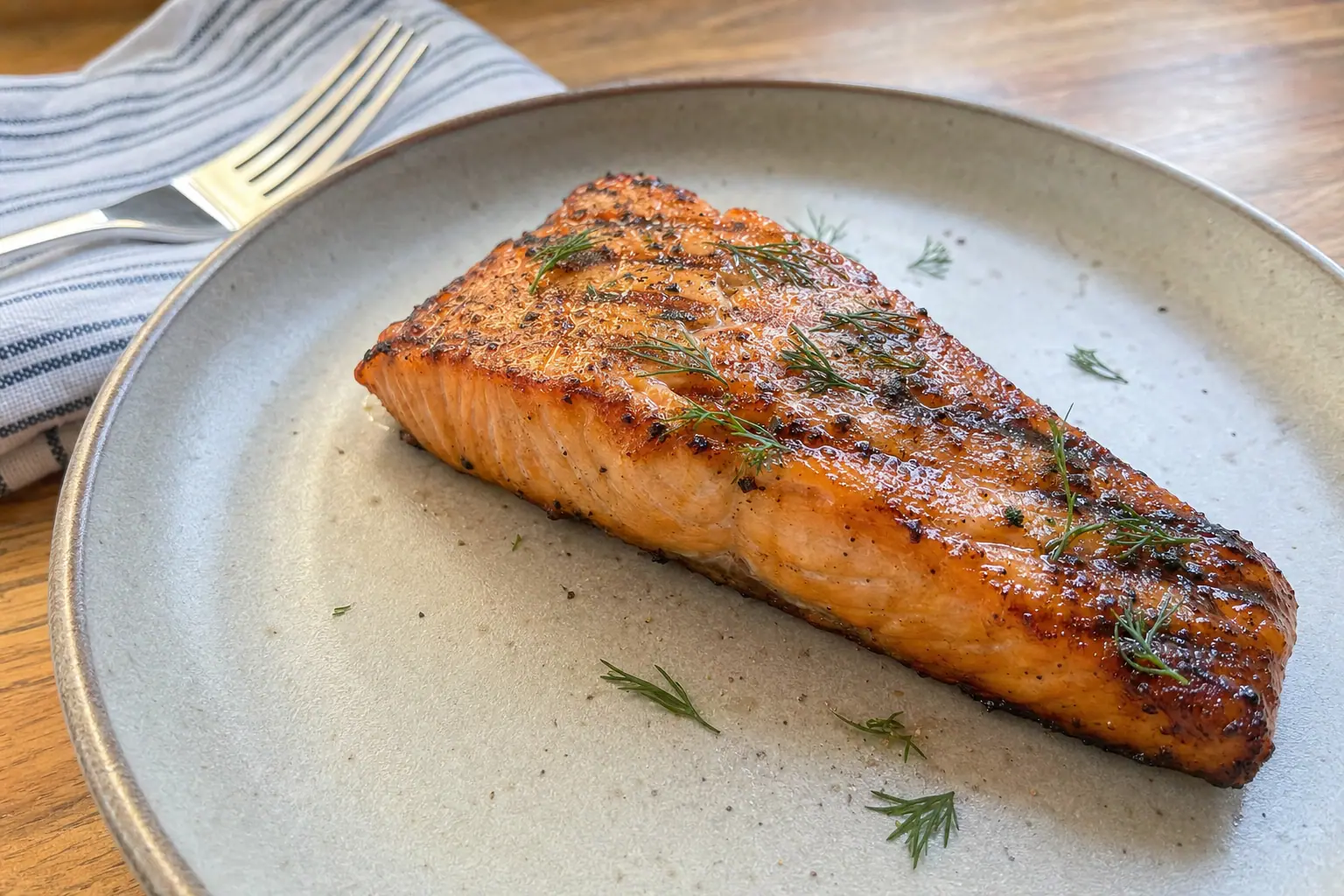 Dinner
Grilled Salmon with Lemon and Herbs
This simple grilled salmon is smoky at the edges, tender in the middle, and bright with lemon, garlic, and fresh herbs. It is a reliable dinner for weeknights, cookouts, or any night you want something fresh without much
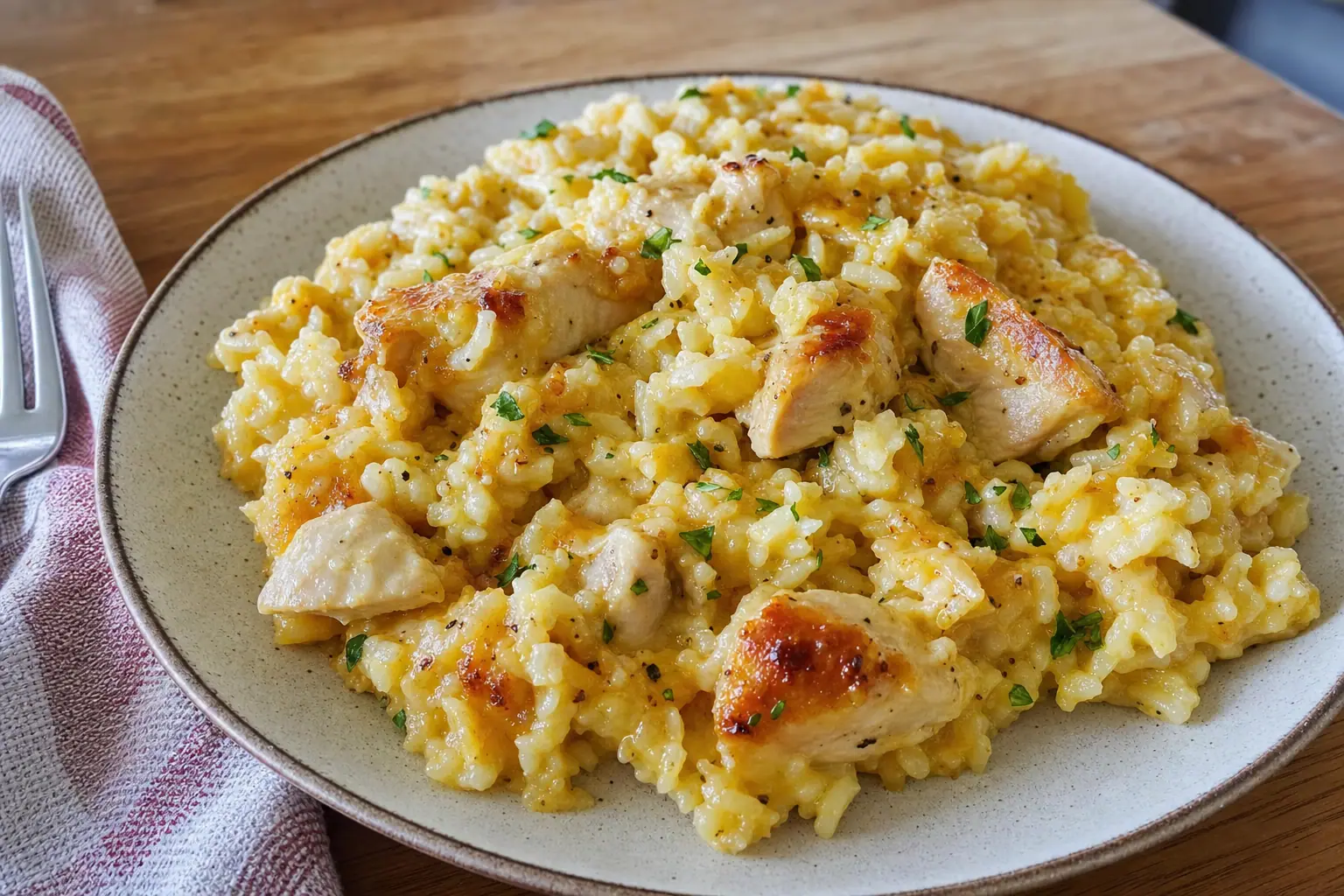 Dinner
Chicken and Rice Casserole
This cozy chicken and rice casserole bakes in one dish with tender chicken, creamy rice, and a crisp, buttery topping. It is the kind of dinner that feels familiar, fills the table, and leaves you with very little to do.
 Dinner
Sweet and Sour Meatballs
Tender baked meatballs meet a glossy sweet-tangy sauce with pineapple and bell pepper. Serve them over rice for dinner, or keep them warm as a party appetizer.