
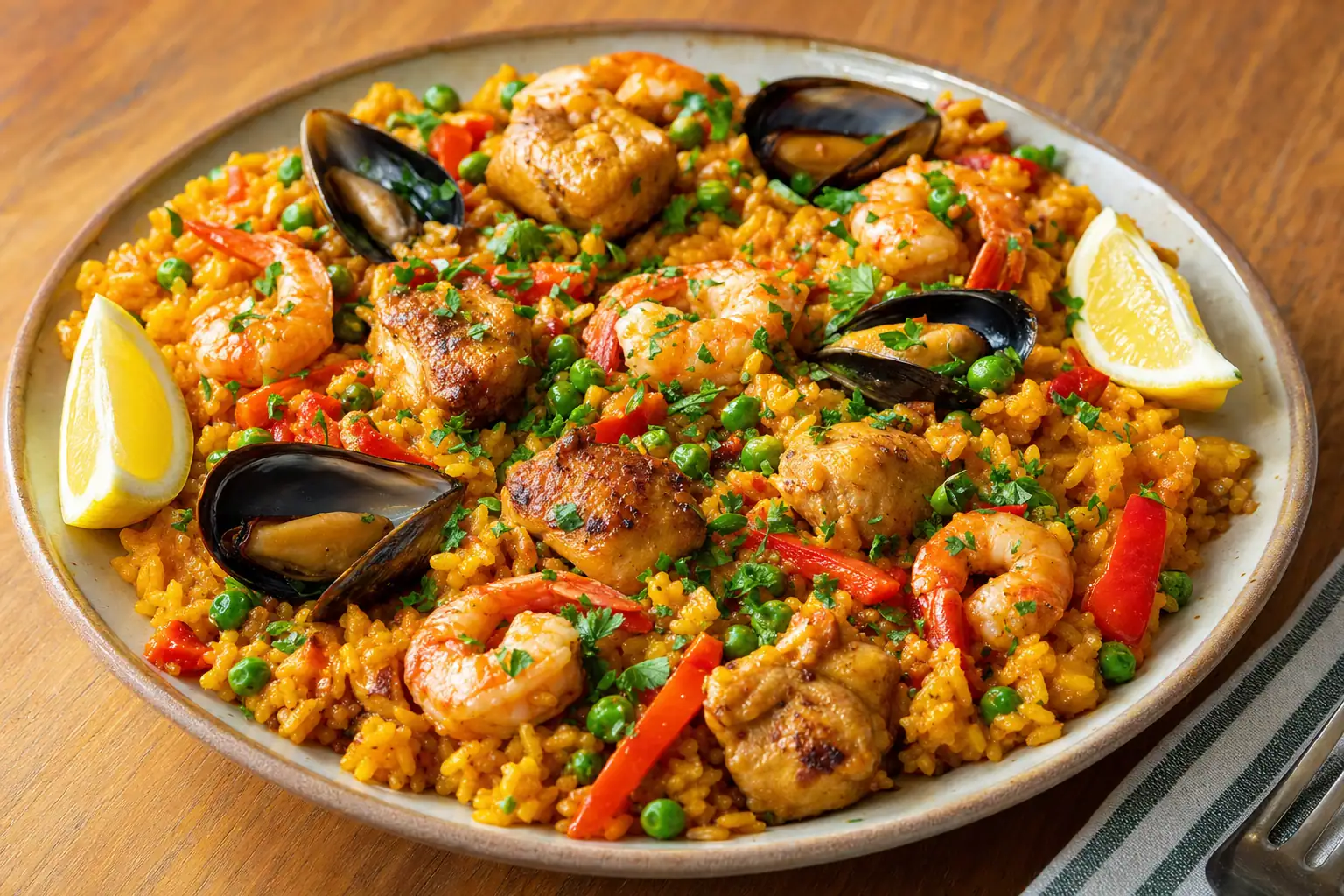
Paella
This colorful Spanish rice dish is made in one wide pan with saffron, chicken, shrimp, mussels, and vegetables. The method is simple once you know the key rule: add the rice, spread it out, and do not stir.
Total
60 min
Servings
4 to 6 servings
Level
Medium
Paella began in Valencia, Spain, where cooks traditionally made it over an open fire in a wide, shallow pan. There are many regional and family versions. This home-cook version uses easy-to-find ingredients and a large skillet or paella pan.
The rice is the heart of the dish. Short-grain Spanish rice, such as bomba or Calasparra, absorbs broth while staying pleasantly firm. Saffron gives paella its golden color and gentle floral flavor.
The most important technique is to leave the rice alone once the broth goes in. That helps the grains cook evenly and can create socarrat, the lightly crisp layer of rice at the bottom of the pan.
01What you'll need
Ingredients
18 items · 4 to 6 servings
- 3 cups low-sodium chicken broth or seafood broth
- 1/2 teaspoon saffron threads
- 2 tablespoons olive oil
- 1 pound boneless, skinless chicken thighs, cut into 1-inch pieces
- 1 teaspoon kosher salt, divided, plus more to taste
- 1/2 teaspoon freshly ground black pepper
- 1 small yellow onion, finely chopped
- 1 red bell pepper, diced
- 3 garlic cloves, minced
- 1 medium tomato, grated on the large holes of a box grater, or 1/2 cup crushed tomatoes
- 1 teaspoon smoked paprika
- 1 1/2 cups Spanish short-grain rice, such as bomba or Calasparra
- 1/2 cup dry white wine, or more broth
- 1/2 cup frozen peas
- 8 mussels, scrubbed and debearded, discarding any that are cracked or do not close when tapped
- 8 ounces large shrimp, peeled and deveined, tails on or off
- 1 lemon, cut into wedges
- 2 tablespoons chopped fresh parsley, for serving
02How to make it
Step-by-step
1. Warm the saffron broth
Place the broth in a small saucepan and bring it to a gentle simmer. Crumble in the saffron threads, then turn off the heat and let the broth steep while you start the paella. Steeping means letting the saffron sit in the hot liquid so its color and flavor can spread.
2. Brown the chicken
Heat the olive oil in a 12- to 14-inch paella pan or wide skillet over medium-high heat. Season the chicken with 1/2 teaspoon salt and the black pepper. Add the chicken in a single layer and cook for 5 to 7 minutes, turning once or twice, until browned on the outside. It does not need to be fully cooked yet. Transfer it to a plate.
3. Cook the vegetables
Reduce the heat to medium. Add the onion and bell pepper to the same pan. Cook for 4 to 5 minutes, stirring often, until softened. Add the garlic and cook for 30 seconds, just until fragrant.
4. Build the flavor base
Stir in the grated tomato, smoked paprika, and remaining 1/2 teaspoon salt. Cook for 3 to 4 minutes, stirring, until the tomato thickens and the mixture looks jammy. This mixture is the sofrito, a cooked vegetable base that gives the rice depth.
5. Toast the rice
Add the rice to the pan and stir for 1 minute so the grains are coated in the sofrito. Pour in the wine and cook for 1 minute, scraping up any browned bits from the bottom of the pan. Return the chicken and any juices to the pan.
6. Add broth and stop stirring
Pour in the warm saffron broth and gently shake the pan to spread the rice into an even layer. From this point on, do not stir. Bring the liquid to a lively simmer and cook for 10 minutes over medium-high heat.
7. Add seafood and peas
Scatter the peas over the rice. Nestle the mussels hinge-side down into the rice and place the shrimp on top. Reduce the heat to medium-low and cook for 10 to 12 minutes more, until the rice is just tender, the shrimp are pink and opaque, and the mussels have opened. Discard any mussels that stay closed.
8. Rest and serve
Turn off the heat. Cover the pan loosely with foil or a clean kitchen towel and let the paella rest for 5 to 10 minutes. Sprinkle with parsley and serve with lemon wedges. If you have a lightly crisp rice layer on the bottom, that is socarrat and it is worth scraping up.
03From our kitchen
Cook's tips
- Make-ahead: Paella is at its nicest soon after cooking, but you can prep the ingredients ahead. Chop the vegetables, cut the chicken, scrub the mussels, and measure the rice up to 1 day ahead. Keep everything covered in the refrigerator.
- Storage: Refrigerate leftovers in a shallow airtight container within 2 hours of cooking. Eat within 2 days, especially because this version contains seafood.
- Reheating: Warm leftovers in a covered skillet over low heat with a splash of broth or water. Heat until steaming hot. Avoid microwaving mussels in their shells for too long, as they can turn rubbery.
- Rice swap: Spanish bomba or Calasparra rice is ideal. If you cannot find it, use another short-grain rice. Arborio can work in a pinch, but do not stir it like risotto or it will become creamy instead of paella-like.
- Seafood swap: You can skip the mussels and use extra shrimp, sliced squid, or chunks of firm white fish. Add delicate fish near the end so it does not overcook.
- No paella pan: Use the widest skillet you own. A wide pan helps the rice cook in a thin layer. If the rice is piled too deep, it may cook unevenly and take longer.
Cook's note
This is a flexible mixed paella for home kitchens, not a strict Valencian paella. Traditional Valencian versions often include rabbit, chicken, beans, and no seafood. The goal here is to keep the method approachable while respecting the main paella technique: a wide pan, seasoned broth, and rice that is left undisturbed as it cooks.
04Frequently asked
Questions & answers
Can I make paella without saffron?
Yes, but the flavor and color will be different. Saffron has a gentle floral taste that is hard to copy. If you need to skip it, add a small pinch of turmeric for color only, not as a true flavor substitute.
Why should I not stir paella after adding the broth?
Stirring releases starch from the rice and can make the dish creamy, more like risotto. Paella should have separate grains of rice. Leaving it alone also helps the bottom layer crisp slightly.
How do I know when the rice is done?
Taste a few grains from the top and middle of the pan. They should be tender with a slight firmness in the center. If the pan is dry and the rice is still hard, add 2 to 4 tablespoons hot broth or water around the edges and cook a few minutes longer.
Can I make this paella with only chicken?
Yes. Skip the shrimp and mussels, and increase the chicken to about 1 1/2 pounds. You may also add green beans or artichoke hearts. The cooking time for the rice stays about the same.
What is socarrat?
Socarrat is the toasted, lightly crisp layer of rice that forms on the bottom of the pan. To encourage it, cook the paella uncovered and avoid stirring. If you hear a gentle crackle near the end, that is a good sign, but stop if you smell burning.
05Keep cooking
You might also like
 Dinner
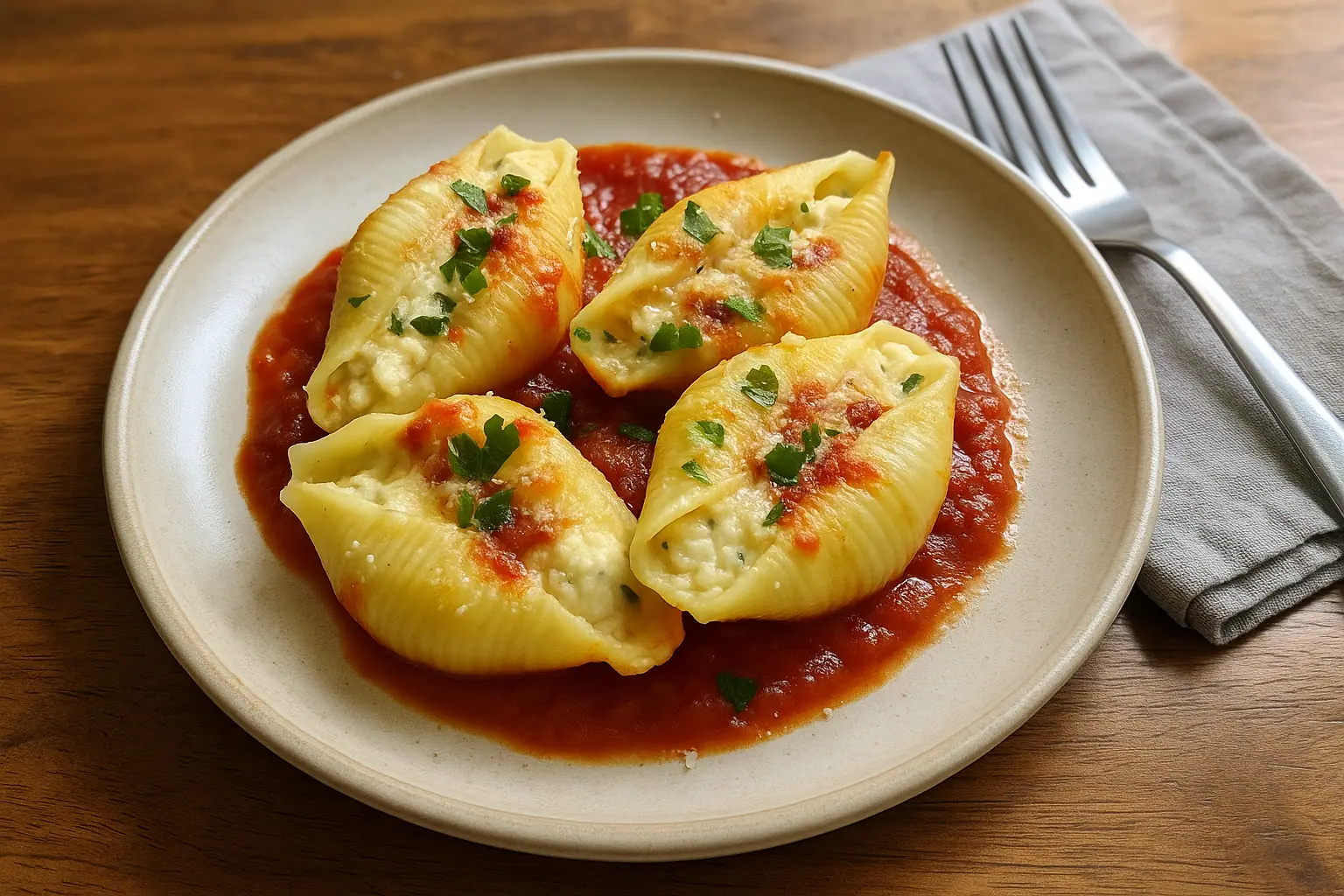
Classic Stuffed Shells
A comforting Italian classic that's perfect for family dinners or casual get-togethers.
 Dinner
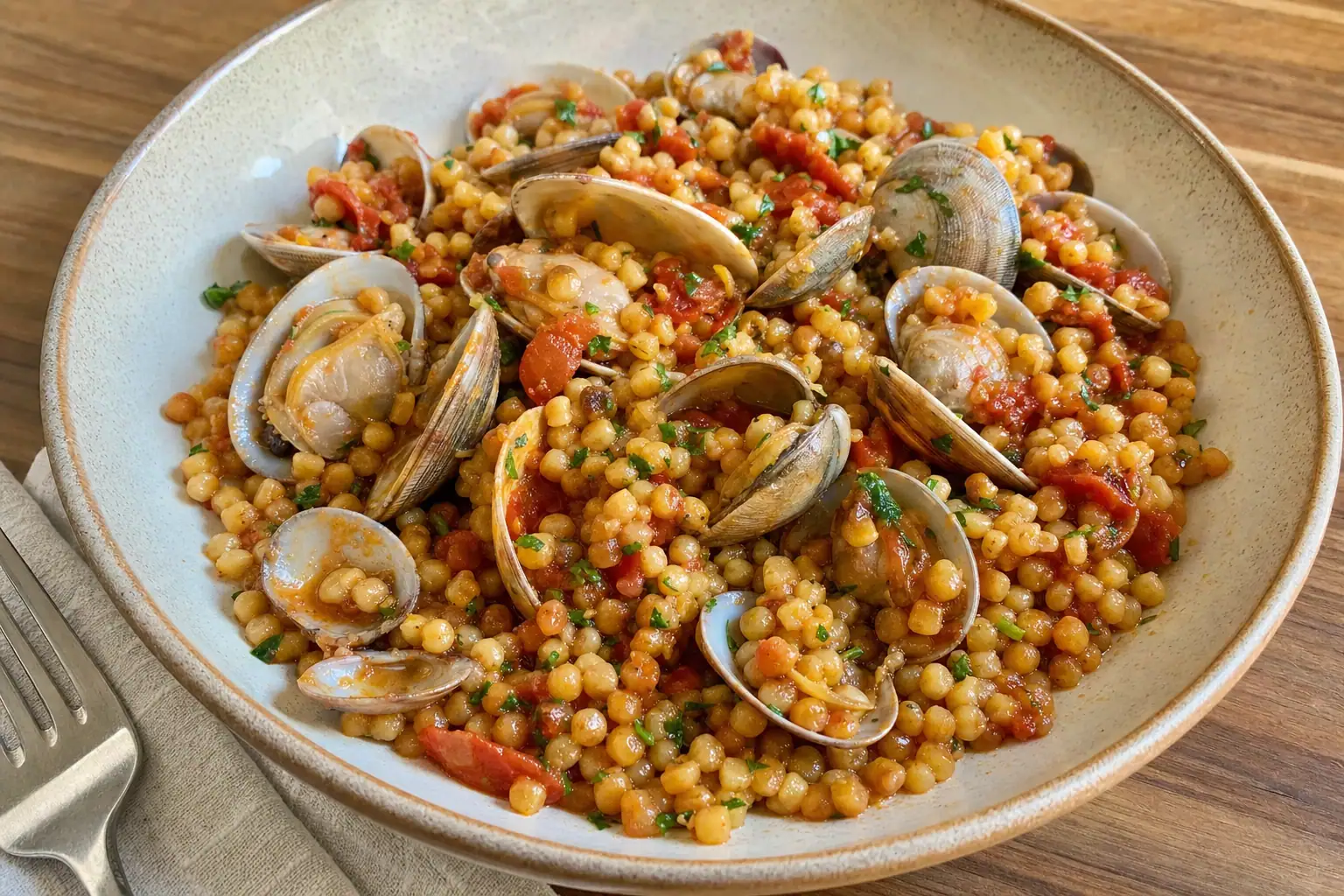
Fregola Sarda with Clams and Tomatoes
Fregola sarda is a small, toasted Sardinian pasta with a nutty flavor and a chewy bite. This one-pan version simmers it with tomatoes, white wine, and clams for a simple coastal dinner.
 Dinner
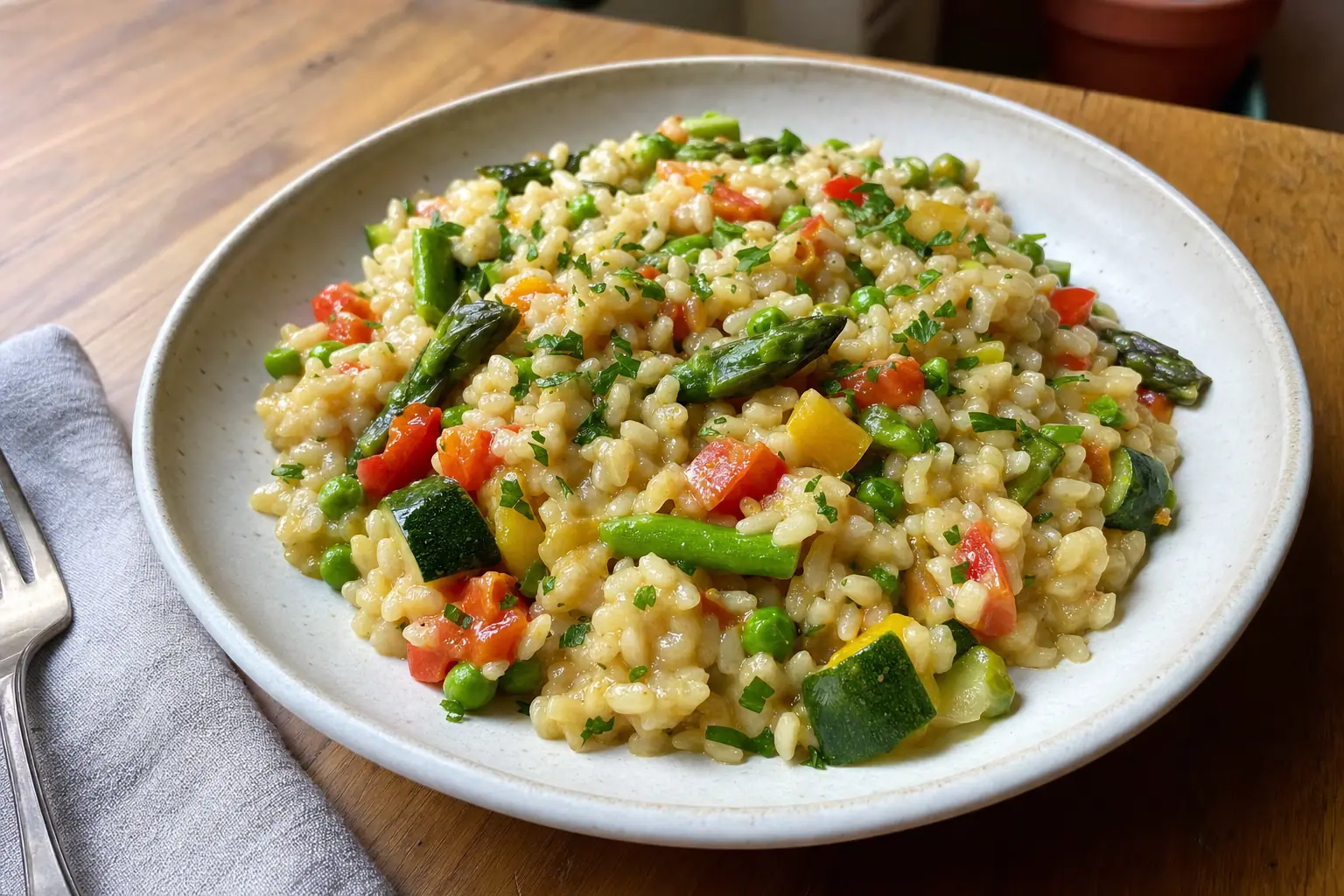
Risotto Primavera
Creamy risotto primavera turns spring vegetables, Arborio rice, Parmesan, and lemon into a bright, comforting dinner. It takes a little stirring, but the method is simple and very doable on a weeknight.
 Dinner
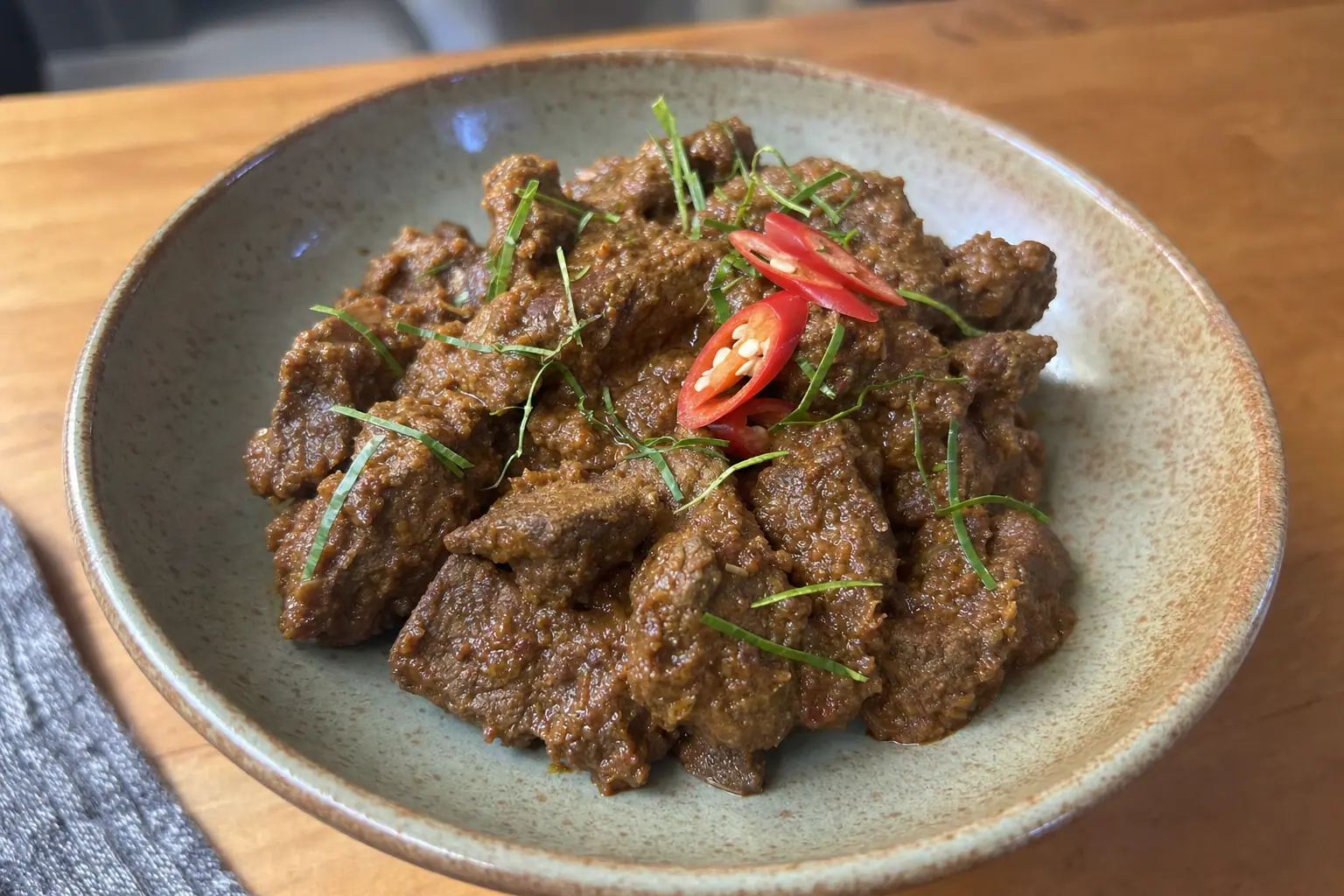
Beef Rendang
This slow-cooked Indonesian-style beef rendang is rich, fragrant, and deeply savory, with tender beef simmered in coconut milk, chiles, lemongrass, galangal, and warm spices. It takes time, but most of the cooking is a a