
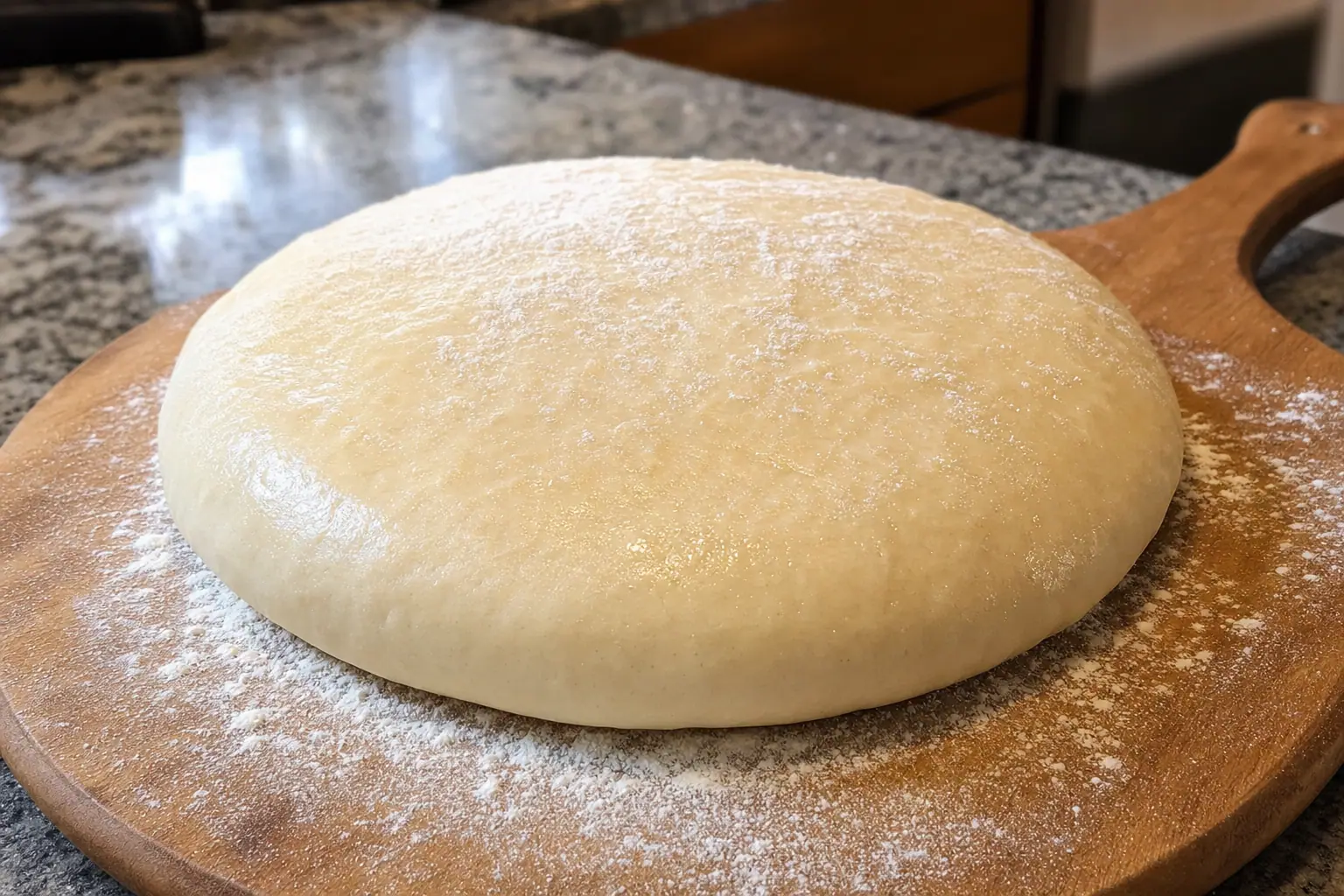
Pizza Dough
A simple, flexible pizza dough for weeknight pies, weekend pizza nights, and make-ahead freezer stash. It bakes up chewy at the edge and sturdy enough for sauce, cheese, and your favorite toppings.
At a glance
- Total time
- 20 min
- Yield
- Makes 2 (12-inch) pizza crusts
- Prep
- 20 min
- Cook
- 0 min
- Difficulty
- Easy
- Cuisine
- Italian-American
- Category
- Dinner
Good pizza starts with good dough, and you do not need special equipment to make it at home. This recipe uses pantry ingredients, a short knead, and one rise to create dough that is easy to stretch and shape.
Bread flour gives the chewiest crust, but all-purpose flour works well too. The dough needs about 1 to 1 1/2 hours to rise, so plan ahead, or make it the day before for even better flavor.
Use this dough for classic round pizzas, sheet-pan pizza, calzones, or garlic knots. Once you know the feel of the dough, it becomes one of those recipes you can return to again and again.
01What you'll need
Ingredients
6 items · Makes 2 (12-inch) pizza crusts
- 1 1/2 cups (360 ml) warm water, about 100°F to 110°F (38°C to 43°C)
- 2 1/4 teaspoons (1 packet/7 g) instant yeast or active dry yeast
- 1 teaspoon granulated sugar or honey
- 4 cups (500 g) bread flour, plus more for dusting
- 2 teaspoons fine sea salt or kosher salt
- 2 tablespoons olive oil, plus more for the bowl
02How to make it
Step-by-step
1. Wake the yeast
Pour the warm water into a large bowl. Stir in the yeast and sugar. Let it sit for 5 minutes, until it looks a little foamy. If using instant yeast, it may not foam much, and that is fine as long as your yeast is fresh.
2. Mix the dough
Add the flour, salt, and olive oil to the bowl. Stir with a wooden spoon or sturdy spatula until a shaggy dough forms. Shaggy means rough and uneven, with no dry flour left at the bottom of the bowl.
3. Knead until smooth
Turn the dough onto a lightly floured counter. Knead for 6 to 8 minutes, pressing the dough away with the heel of your hand, folding it back, and turning it. The dough should become smoother and elastic. If it sticks badly, add flour 1 tablespoon at a time.
4. Let it rise
Lightly oil a clean bowl. Place the dough in the bowl and turn it once to coat. Cover with a clean towel or plastic wrap. Let it rise at room temperature for 1 to 1 1/2 hours, until it looks puffy and about doubled in size.
5. Divide the dough
Punch down the dough gently to release large air bubbles. Turn it onto the counter and divide it into 2 equal pieces. Shape each piece into a ball by tucking the edges underneath.
6. Rest before shaping
Cover the dough balls and let them rest for 15 to 20 minutes. This relaxes the gluten, the stretchy protein in flour, so the dough is easier to stretch without snapping back.
7. Shape for pizza
Place one dough ball on a lightly floured surface. Press it into a flat round with your fingertips, then stretch it gently from the center outward. Leave a slightly thicker edge if you like a puffier crust.
8. Top and bake
Transfer the shaped dough to a piece of parchment paper, a floured pizza peel, or an oiled baking sheet. Add sauce, cheese, and toppings. Bake according to your pizza recipe, usually at 475°F to 500°F (245°C to 260°C) for 10 to 15 minutes, until the crust is browned and the cheese is bubbling.
03From our kitchen
Cook's tips
- Make-ahead option: After the first rise, divide the dough into balls, place in lightly oiled airtight containers, and refrigerate for up to 3 days. Cold dough develops more flavor. Let it sit at room temperature for 45 to 60 minutes before shaping.
- Freezer storage: Freeze dough balls after the first rise. Rub each with a little oil, wrap tightly, and freeze for up to 3 months. Thaw overnight in the refrigerator, then bring to room temperature before stretching.
- Flour swap: Bread flour makes a chewier crust. All-purpose flour makes a slightly softer crust and may need 1 to 2 tablespoons less water depending on the brand.
- Whole wheat option: Replace up to 1 cup of the flour with whole wheat flour. The dough may feel a little denser, so add an extra tablespoon or two of water if it seems dry.
- If the dough is too sticky: Dust with small amounts of flour while kneading. Avoid adding too much, or the crust can turn tough.
- If the dough will not stretch: Cover it and rest it for 10 more minutes. The dough is not being difficult; the gluten just needs time to relax.
Cook's note
For a crisper crust, preheat a pizza stone or steel for at least 30 minutes before baking. If you do not have one, use a heavy baking sheet turned upside down and preheated in the oven.
04Frequently asked
Questions & answers
Can I make pizza dough without a stand mixer?
Yes. This recipe is written for hand mixing and hand kneading. A stand mixer works too; use the dough hook on low speed for about 5 minutes, until the dough is smooth and elastic.
Can I use active dry yeast instead of instant yeast?
Yes. Use the same amount. Active dry yeast should be stirred into the warm water with the sugar and left for 5 minutes before adding the flour. Instant yeast can be mixed directly with the flour, but blooming it in water also works.
Why did my dough not rise?
The yeast may be old, the water may have been too hot, or the room may be very cool. Water hotter than 120°F (49°C) can damage yeast. If your kitchen is cold, place the covered bowl in a turned-off oven with the light on.
How thin should I stretch the dough?
For a classic 12-inch pizza, stretch each dough ball to about 1/4 inch thick in the center, leaving the edge a little thicker. For thin crust, stretch it wider and use fewer heavy toppings.
Do I need to prebake the crust?
Usually no, especially if baking at a high temperature. If you are using very wet toppings or a thick layer of sauce, prebake the shaped dough for 4 to 5 minutes before topping.
05Per serving
Nutrition facts
Nutrition Facts
Makes 2 (12-inch) pizza crusts
Amount per serving
% Daily Value*
- Total Fat29 g
- 37%
- Saturated Fat5.3 g
- 27%
- Cholesterol0 mg
- 0%
- Sodium4563 mg
- 198%
- Total Carbohydrate239 g
- 87%
- Dietary Fiber14 g
- 49%
- Total Sugars26 g
- Protein44 g
- 89%
- Vitamin D0 mcg
- 0%
- Calcium692 mg
- 53%
- Iron17 mg
- 97%
- Potassium510 mg
- 11%
* Percent Daily Values are based on a 2,000-calorie diet. Values are estimated from the ingredient list; actual amounts vary with brands, portion sizes, and substitutions.
05Keep cooking
You might also like
 Dinner
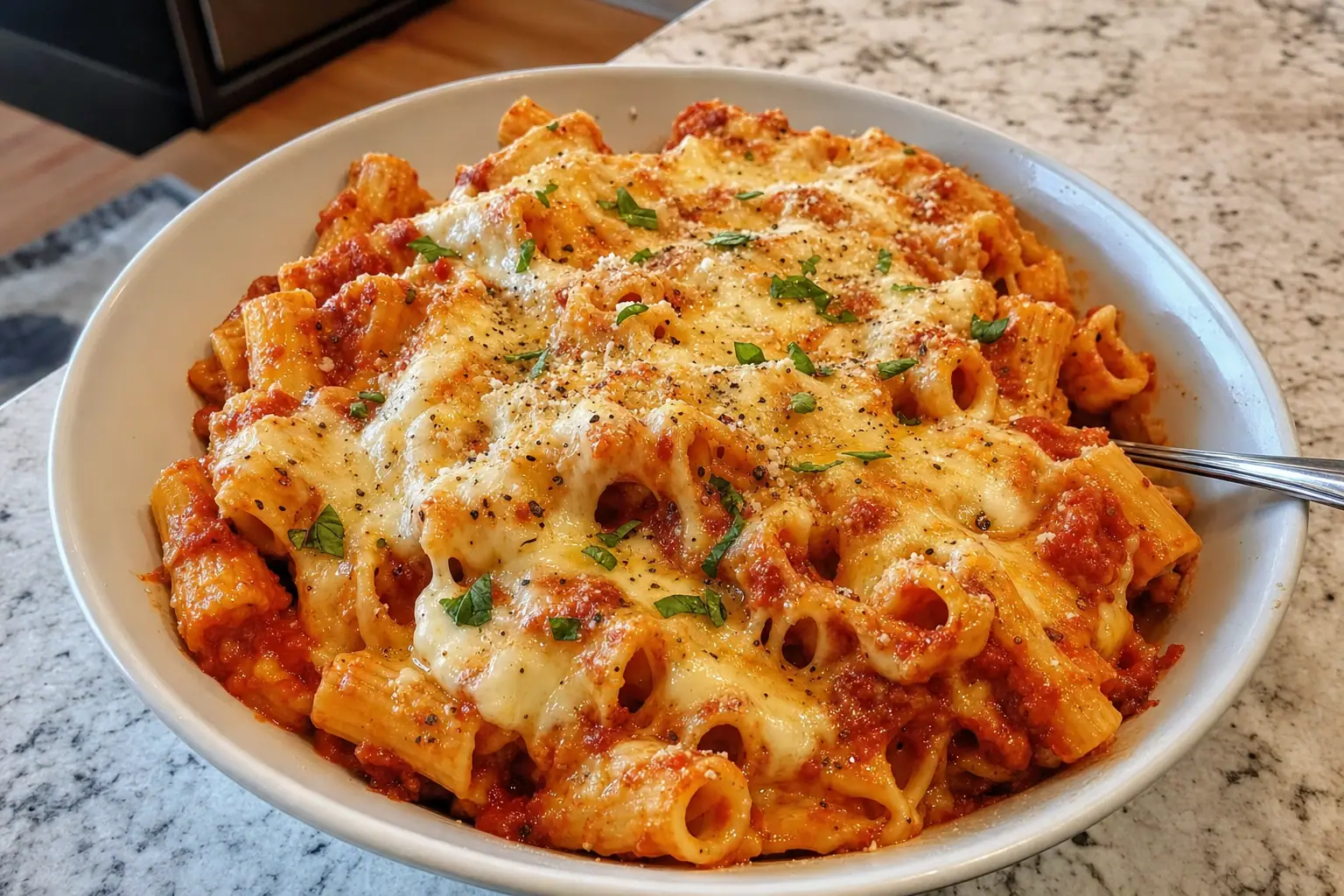
Baked Ziti Pasta with Marinara and Three Cheeses
This cozy ziti pasta is saucy, cheesy, and simple enough for a weeknight. It has all the comfort of lasagna, with less layering and less fuss.
 Dinner
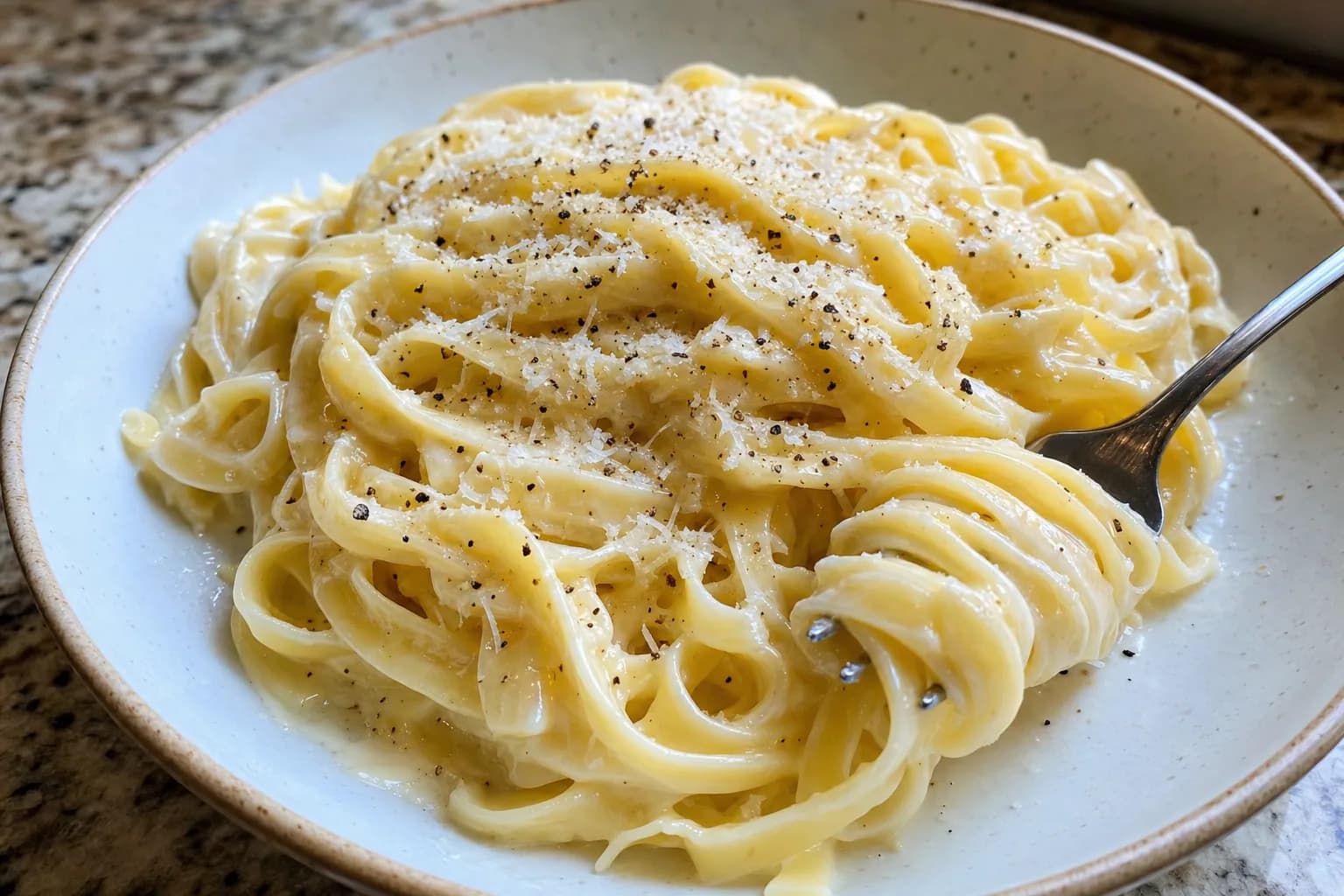
Fettuccine Alfredo
Silky, buttery fettuccine Alfredo is a simple pasta dinner built from a few good ingredients. This version uses butter, Parmesan, and a splash of cream for a smooth sauce that is friendly for home kitchens.
 Dinner
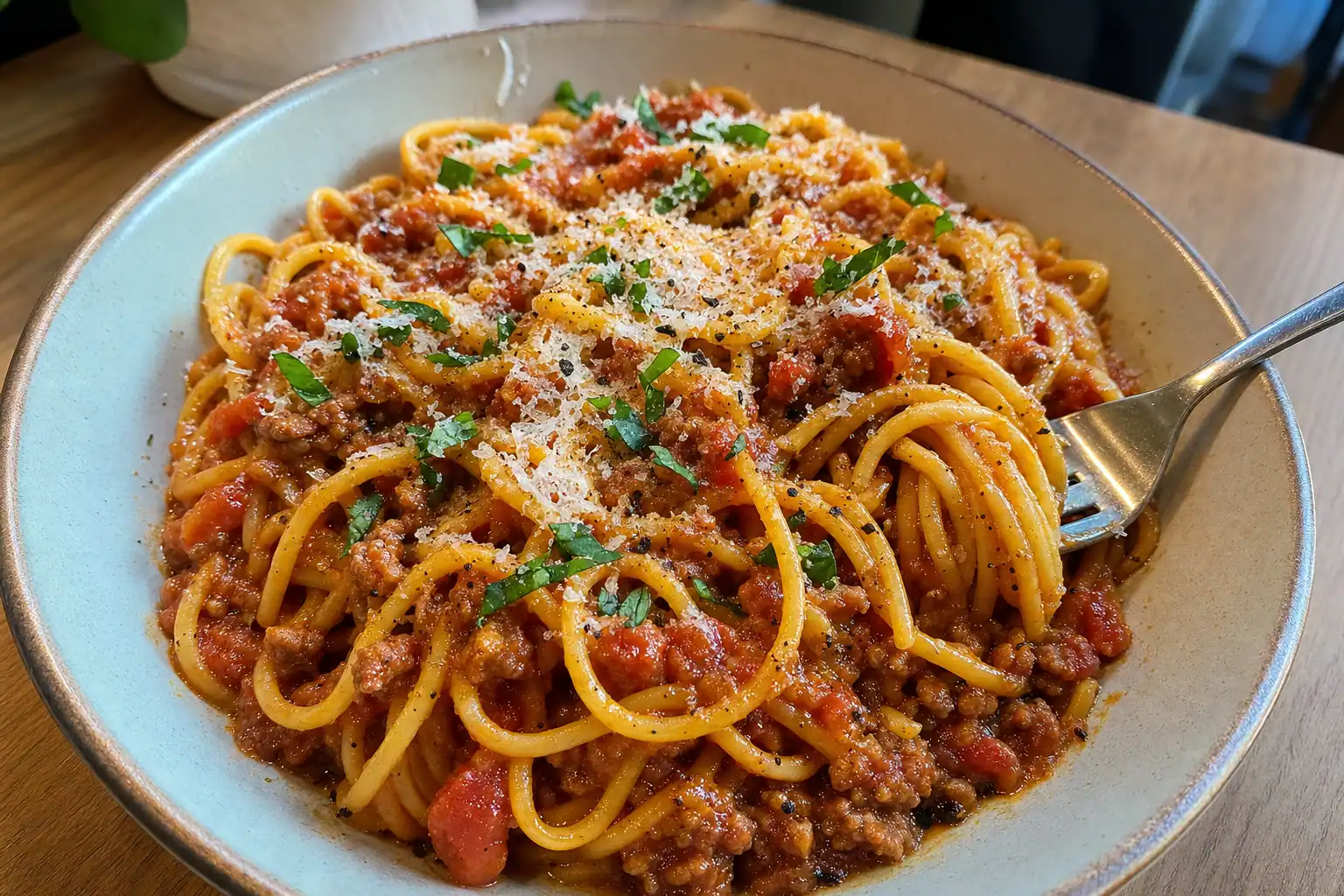
Simple Tomato Garlic Pasta
This easy weeknight pasta uses pantry ingredients, a quick tomato sauce, and one simple trick: finish the pasta in the sauce so every strand tastes seasoned. It is cozy, flexible, and ready in about 30 minutes.
 Dinner
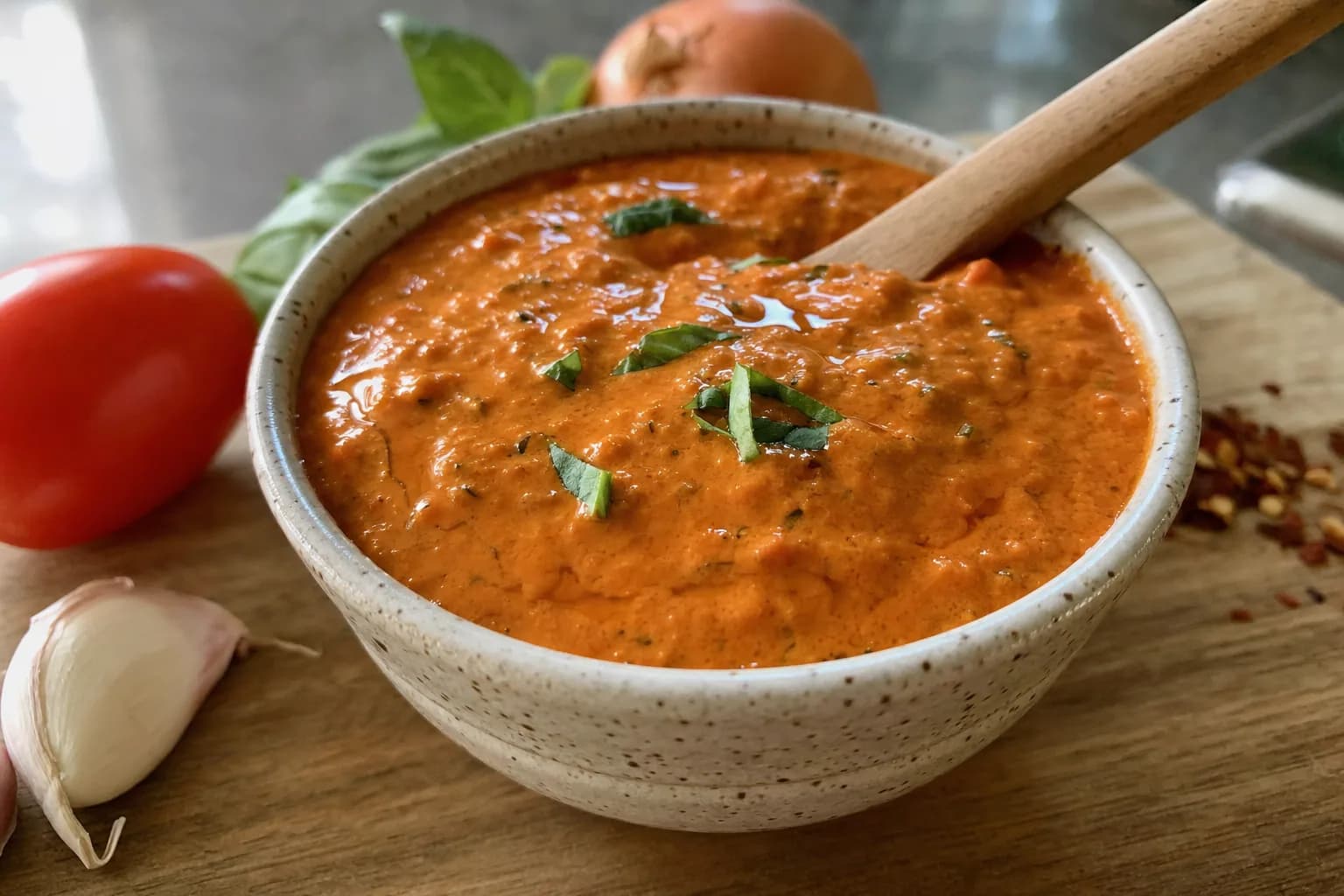
Vodka Sauce
This creamy tomato vodka sauce is smooth, gently spicy, and weeknight-friendly. Toss it with penne or rigatoni, then finish with Parmesan for a simple dinner that feels a little special.