
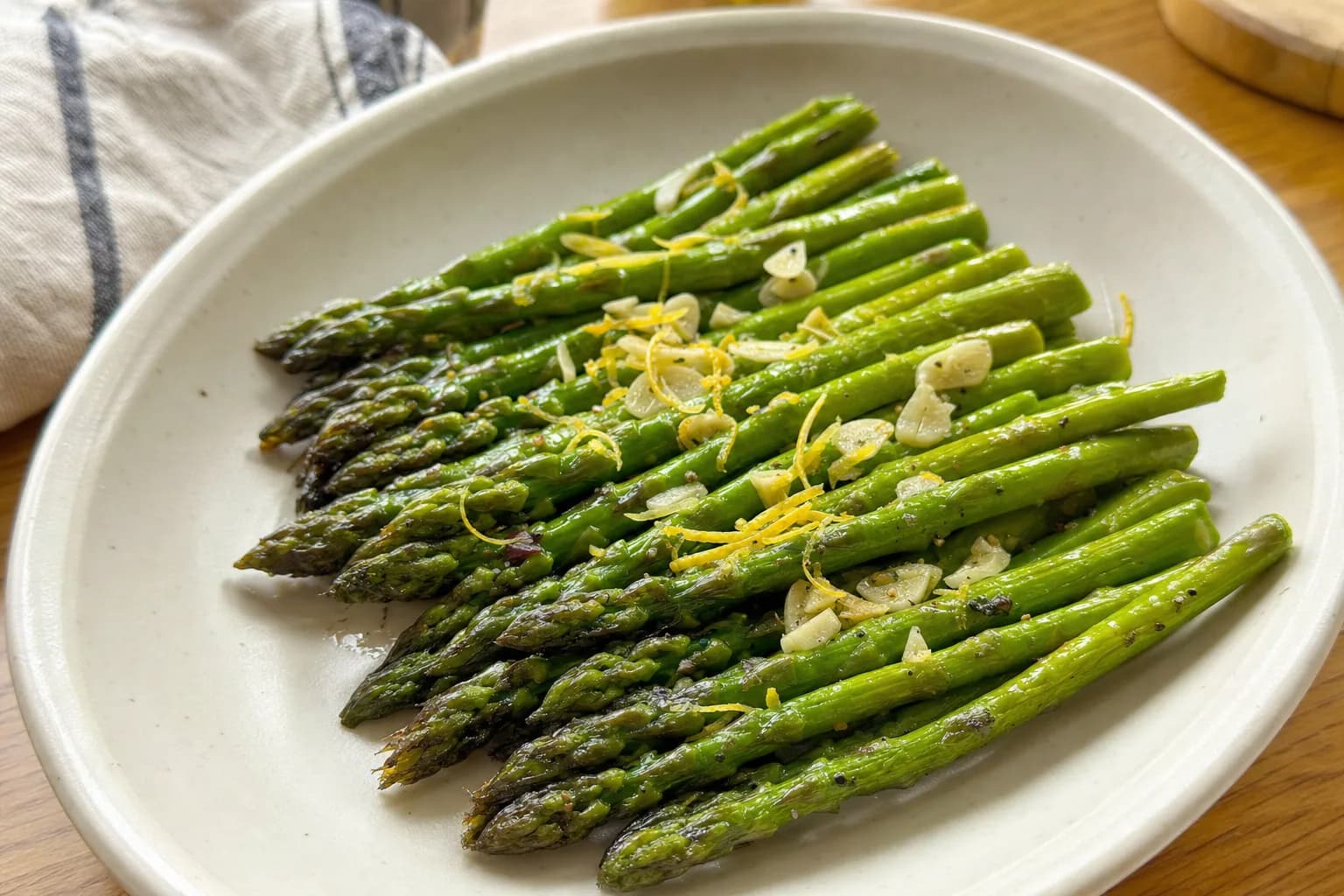
Sautéed Asparagus
This quick sautéed asparagus is bright, tender, and lightly crisp at the tips. It is a simple side dish for weeknights, spring dinners, or any meal that needs something green on the plate.
At a glance
- Total time
- 18 min
- Yield
- 4 servings
- Prep
- 10 min
- Cook
- 8 min
- Difficulty
- Easy
- Cuisine
- American
- Category
- Salads & sides
Sautéed asparagus is one of the fastest ways to cook this spring vegetable. A hot skillet gives the spears a little color while keeping the centers fresh and tender.
The word “sauté” means to cook food quickly in a small amount of fat over medium-high or high heat. For asparagus, that usually means olive oil or butter, a wide pan, and just a few minutes.
This version uses garlic, lemon, salt, and pepper. It is simple on purpose, so the asparagus stays the main flavor.
01What you'll need
Ingredients
8 items · 4 servings
- 1 pound fresh asparagus, woody ends trimmed
- 1 tablespoon olive oil
- 1 tablespoon unsalted butter
- 2 garlic cloves, thinly sliced or minced
- 1/2 teaspoon kosher salt, plus more to taste
- 1/4 teaspoon freshly ground black pepper
- 1 teaspoon fresh lemon juice, plus lemon wedges for serving
- 1 tablespoon grated Parmesan cheese, optional
02How to make it
Step-by-step
1. Trim the asparagus
Rinse the asparagus and pat it dry. Snap off the tough woody ends where they naturally break, or line up the spears and cut off about 1 inch from the bottom. Dry asparagus browns better in the pan.
2. Cut if needed
Leave thin asparagus spears whole. If the spears are thick or very long, cut them into 2-inch pieces on a slight diagonal. This helps them cook evenly and makes them easier to eat.
3. Heat the skillet
Place a large skillet over medium-high heat. Add the olive oil and butter. Let the butter melt and foam for a few seconds, but do not let it turn dark brown.
4. Add the asparagus
Add the asparagus to the skillet in as even a layer as possible. Sprinkle with the salt and pepper. Let it cook without stirring for 1 to 2 minutes so the spears can get a little color.
5. Sauté until tender-crisp
Toss or stir the asparagus and continue cooking for 3 to 5 minutes, depending on thickness. Thin spears may be done in 3 minutes. Thick spears may need the full 5 minutes. The asparagus should look bright green and feel tender when pierced with a fork, but not limp.
6. Add the garlic
Stir in the garlic and cook for 30 to 60 seconds. Keep it moving in the pan so it does not burn. Burned garlic tastes bitter, so lower the heat if it browns too quickly.
7. Finish with lemon
Turn off the heat. Add the lemon juice and toss to coat the asparagus. Taste and add a little more salt or pepper if needed.
8. Serve warm
Transfer the sautéed asparagus to a serving plate. Add Parmesan if using, and serve with lemon wedges on the side.
03From our kitchen
Cook's tips
- Make-ahead: Sautéed asparagus is nicest right after cooking. If you need to prep ahead, trim and wash the asparagus up to 2 days in advance. Store it wrapped in a clean towel in an airtight container or bag in the fridge.
- Storage: Refrigerate leftovers in an airtight container for up to 3 days. The asparagus will soften as it sits, but it still tastes good in grain bowls, omelets, pasta, or salads.
- Reheating: Warm leftovers in a skillet over medium heat for 2 to 3 minutes. You can also microwave them in short bursts, but the texture will be softer.
- Swap the fat: Use all olive oil for a dairy-free version, or use all butter for a richer taste. Ghee also works well because it handles higher heat.
- Swap the seasoning: Try red pepper flakes, lemon zest, toasted almonds, fresh dill, or a splash of balsamic vinegar. Add vinegar after cooking so it stays bright.
- For thick asparagus: If the spears are very thick, peel the lower half with a vegetable peeler to remove the fibrous outside. You can also add 1 tablespoon of water to the pan, cover for 1 minute, then uncover and finish sautéing.
Cook's note
Choose asparagus with firm stalks and tight tips. Very thin spears cook quickly and stay snappy, while thicker spears have a meatier bite. Both work here; just adjust the cooking time.
04Frequently asked
Questions & answers
How do I know when sautéed asparagus is done?
It should be bright green and tender-crisp. A fork should slide into the thick end with slight resistance. If the spears look dull green and floppy, they are overcooked.
Do I need to blanch asparagus before sautéing it?
No. Blanching means briefly boiling vegetables, then cooling them in ice water. It is useful for some recipes, but for this simple side dish you can cook the asparagus directly in the skillet.
Why is my asparagus soggy?
The pan may have been crowded, the asparagus may have been wet, or it may have cooked too long. Pat the spears dry, use a wide skillet, and cook just until tender-crisp.
Can I make this without garlic?
Yes. Skip the garlic or replace it with a pinch of garlic powder added near the end. You can also use shallot, lemon zest, or fresh herbs for flavor.
Can I use frozen asparagus?
Fresh asparagus works better for sautéing because it browns and stays firmer. Frozen asparagus can be used, but it will be softer. Cook it straight from frozen in a hot pan and let extra moisture evaporate.
05Per serving
Nutrition facts
Nutrition Facts
4 servings
Amount per serving
% Daily Value*
- Total Fat6.8 g
- 9%
- Saturated Fat2.6 g
- 13%
- Cholesterol9 mg
- 3%
- Sodium302 mg
- 13%
- Total Carbohydrate5.2 g
- 2%
- Dietary Fiber2.5 g
- 9%
- Total Sugars2.2 g
- Protein3.2 g
- 6%
- Vitamin D0.1 mcg
- 1%
- Calcium49 mg
- 4%
- Iron2.4 mg
- 13%
- Potassium239 mg
- 5%
* Percent Daily Values are based on a 2,000-calorie diet. Values are estimated from the ingredient list; actual amounts vary with brands, portion sizes, and substitutions.
05Keep cooking
You might also like
 Salads & sides
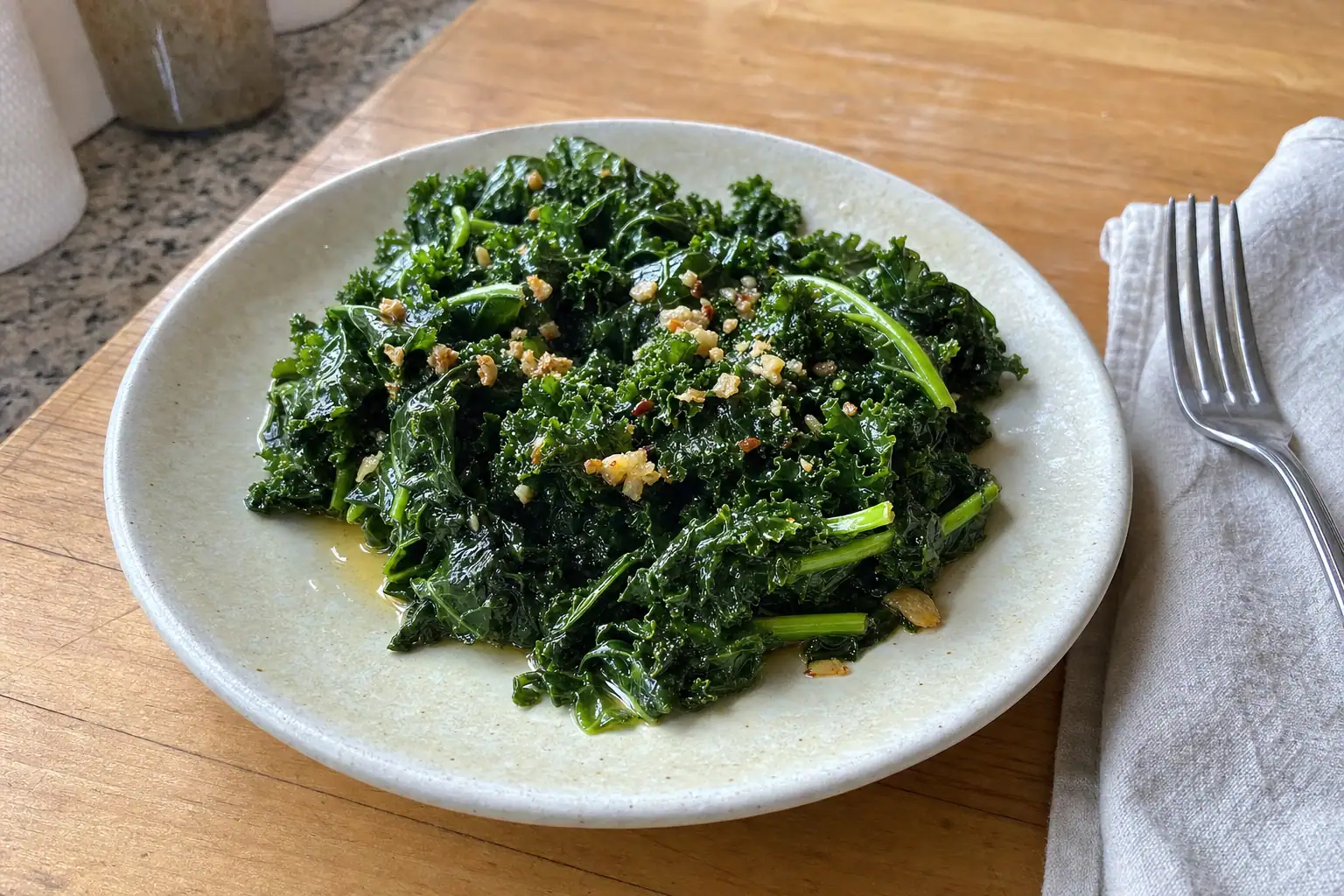
Garlic Kale
This simple garlic kale is tender, bright, and ready in about 20 minutes. It is a useful side dish for weeknights, grain bowls, eggs, pasta, or roasted chicken.
 Salads & sides
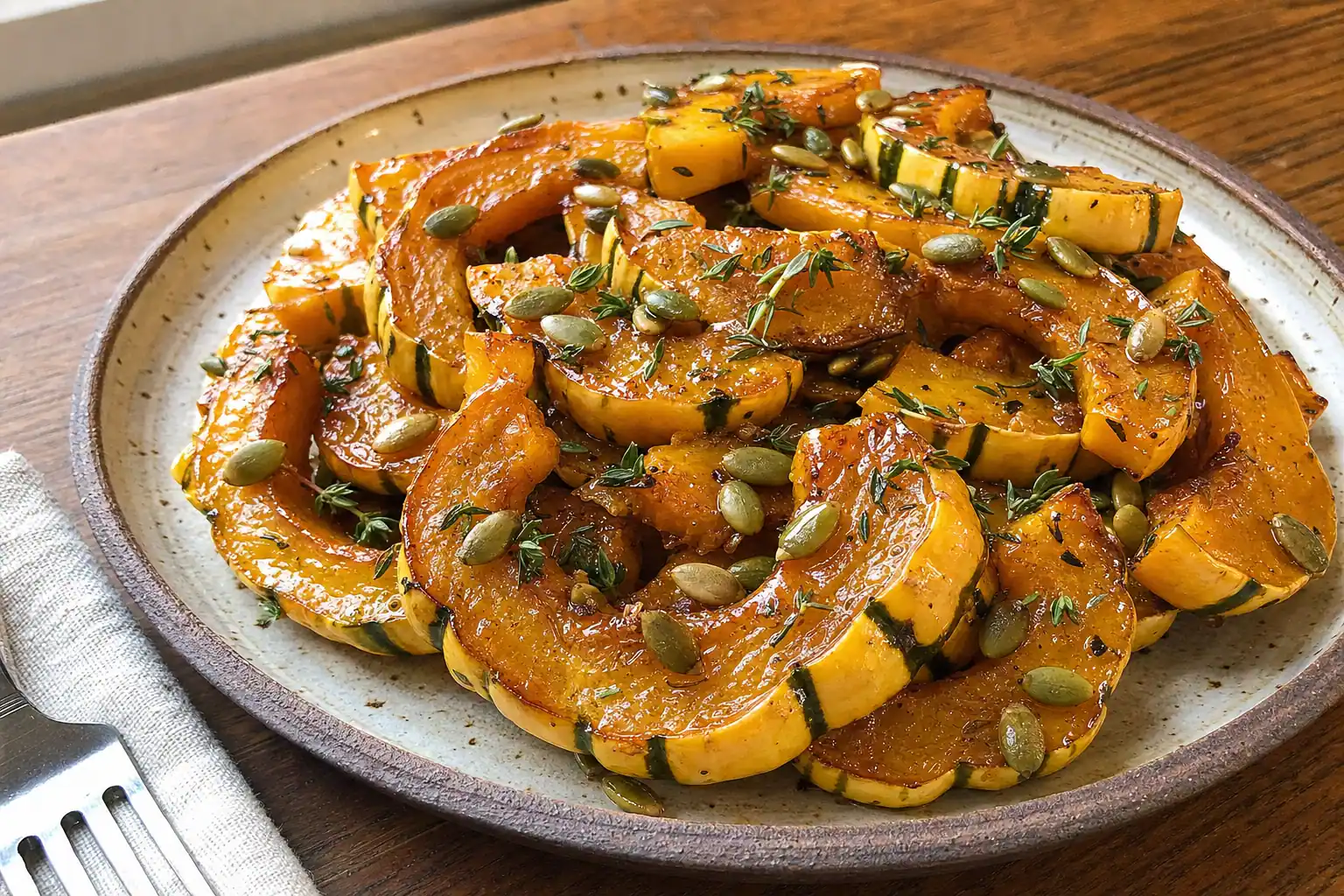
Roasted Delicata Squash with Maple, Thyme, and Pepitas
Delicata squash is the weeknight-friendly winter squash: sweet, quick to roast, and tender enough to eat with the skin on. This simple side dish adds maple, thyme, and crunchy pepitas for a colorful fall or holiday plate
 Salads & sides
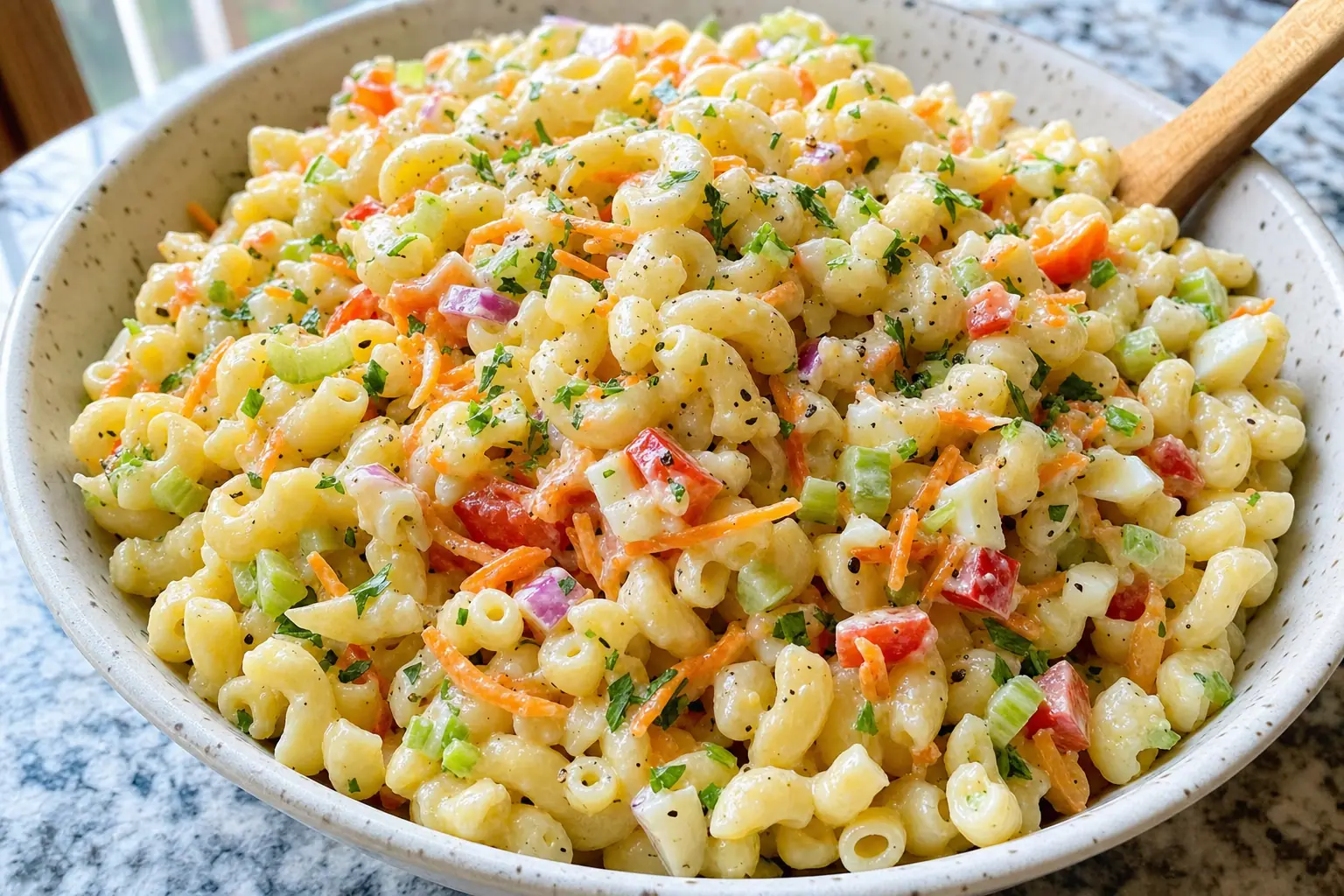
Classic Macaroni Salad
Creamy, tangy, and full of crunch, this macaroni salad is the kind of side dish that fits right in at picnics, cookouts, and easy lunches. A quick rinse after cooking keeps the pasta firm and ready for its simple, mayo-m
 Salads & sides
Green Bean Casserole
This classic green bean casserole has tender beans in a creamy mushroom sauce, finished with crisp fried onions. It is a reliable holiday side, but it is simple enough for a Sunday dinner, too.